Introduction
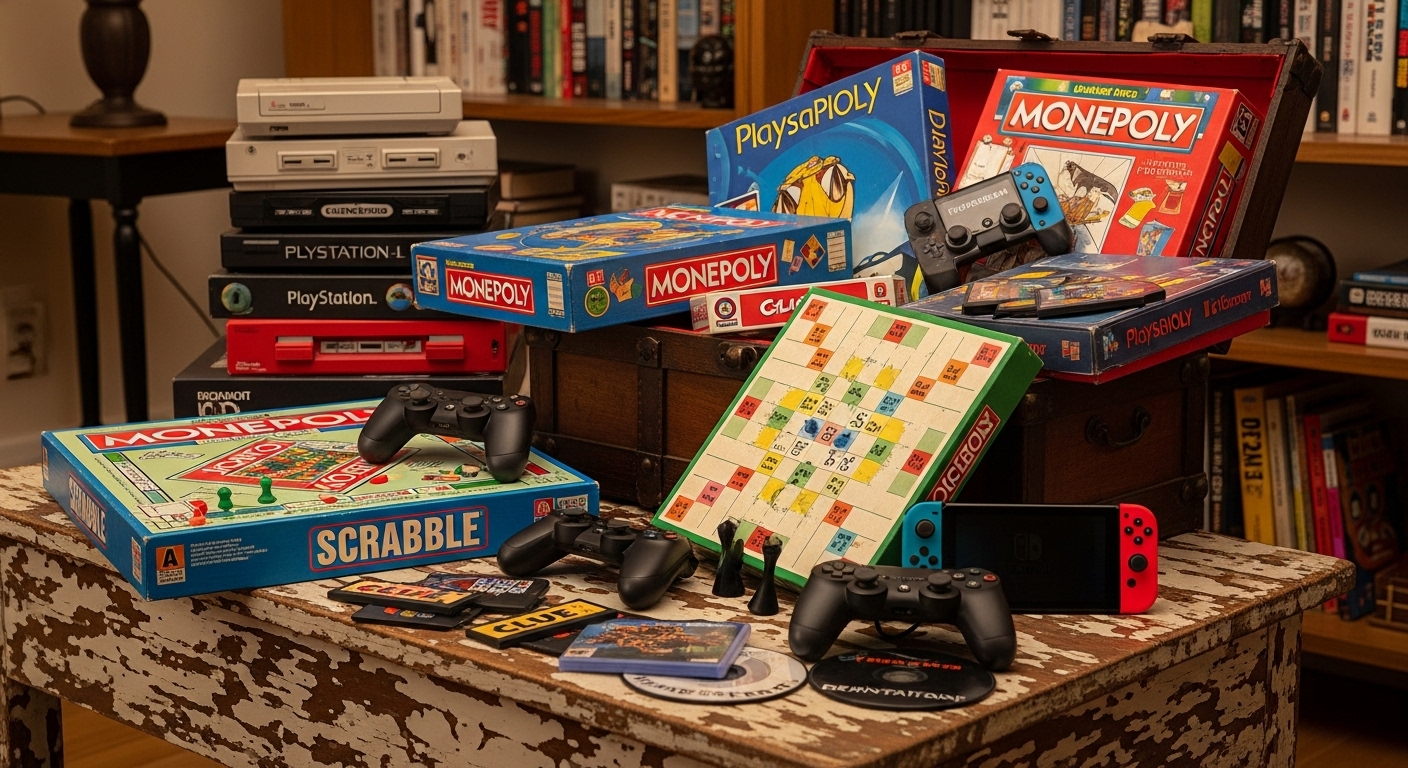
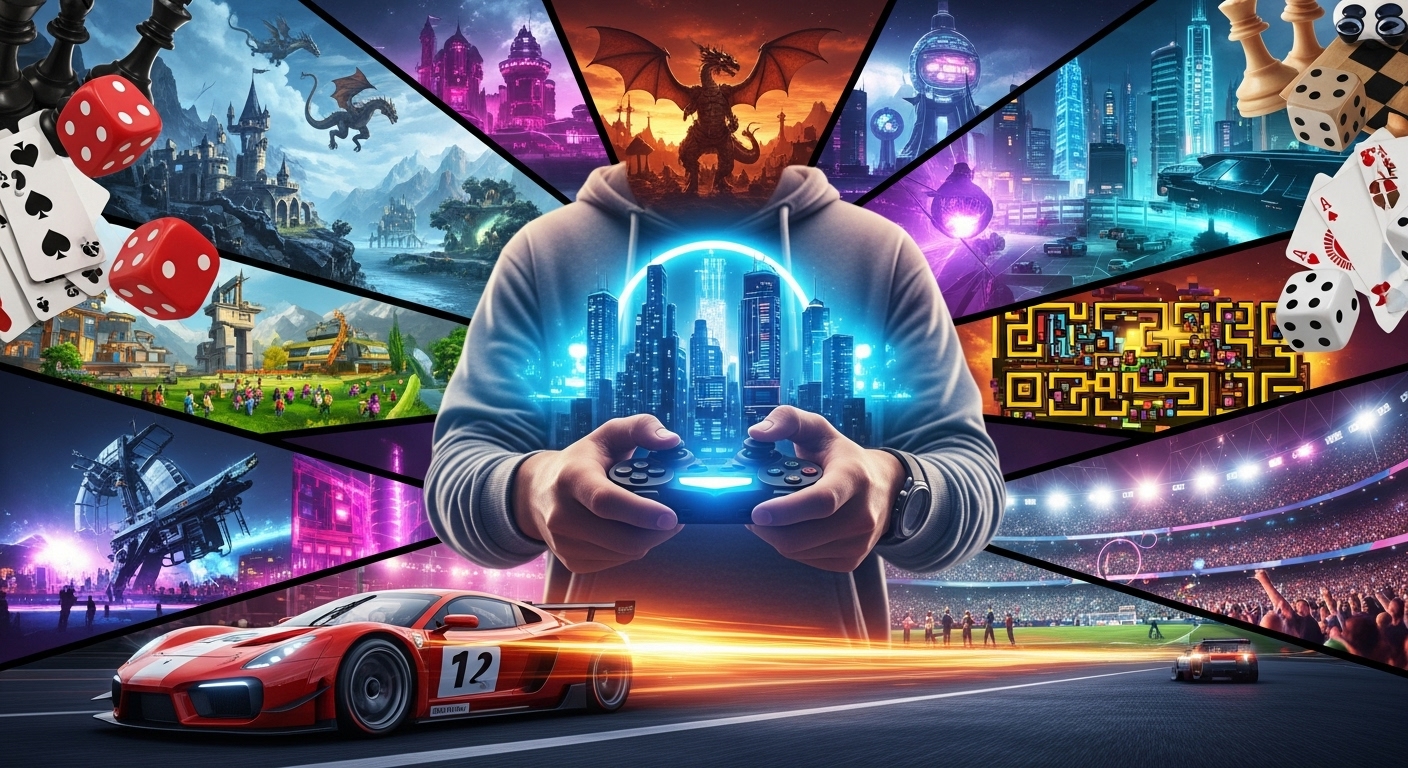
Games have always been a vital part of human life, bringing joy, excitement, and creativity to people of all ages. From traditional board games to advanced digital adventures, games have evolved into a universal language that connects individuals across cultures. They not only entertain but also educate, inspire, and challenge the mind. In today’s fast-paced world, games have become more than just play—they are a form of art, expression, and innovation.
The Evolution of Games
The journey of games began long before technology entered our lives. Ancient civilizations enjoyed strategy-based board games and outdoor competitions that tested skill and intelligence. With the rise of technology, gaming took a digital turn, giving birth to video games that offered interactive and immersive experiences. Today, games combine creativity with technology, providing endless possibilities for exploration and entertainment.
The Power of Play
Playing games is not just about winning or losing—it’s about the experience. Games allow players to explore new worlds, solve problems, and express creativity. They teach patience, strategy, and teamwork. Whether it’s a simple puzzle or a complex adventure, every game strengthens cognitive abilities and enhances emotional balance. The power of play lies in its ability to bring happiness while developing essential life skills.
Games and Technology
Technology has completely transformed the way we experience games. High-definition graphics, virtual reality, and artificial intelligence have made modern games more realistic and engaging than ever. Players can now step into virtual worlds, control lifelike characters, and experience breathtaking adventures. Mobile and online gaming have made it easier for anyone, anywhere, to play, creating a global gaming community that grows every day.
Games as a Social Connection
Games are no longer just solo activities; they are social experiences that bring people together. Multiplayer and cooperative games encourage teamwork, communication, and friendship. Online communities allow players from different parts of the world to connect and share their passion. Gaming has become a bridge between cultures, proving that fun and friendship can flourish beyond borders.
The Educational Side of Games
Games are powerful educational tools. They help improve memory, problem-solving skills, and concentration. Educational games make learning enjoyable, turning complex subjects into fun challenges. Simulation and strategy games teach players about management, planning, and resource allocation. For children and adults alike, games can be both a source of entertainment and a path to learning.
The Future of Games
The future of games is full of innovation and creativity. With advancements in artificial intelligence, virtual reality, and interactive storytelling, games will continue to evolve and surprise us. Developers are exploring new ways to make gaming more inclusive and meaningful. The future promises experiences that are not only fun but also immersive, emotional, and thought-provoking.
Conclusion
Games have grown into one of the most influential aspects of modern life. They entertain, educate, and unite people from every corner of the world. Whether it’s a traditional game shared with friends or a digital adventure played online, every game tells a story and sparks imagination. In the end, games remind us that play is not just for children—it’s a timeless joy that keeps our minds sharp, our hearts happy, and our spirits young.