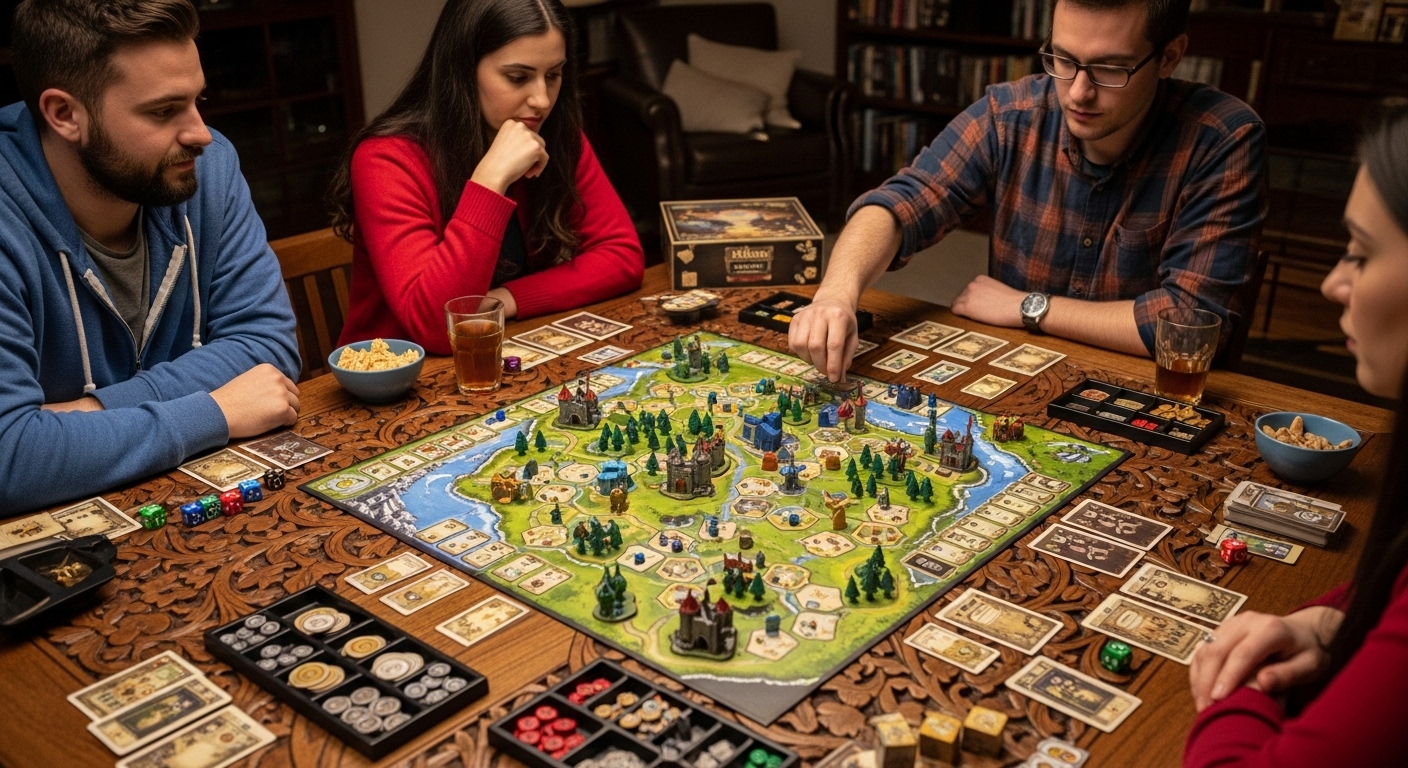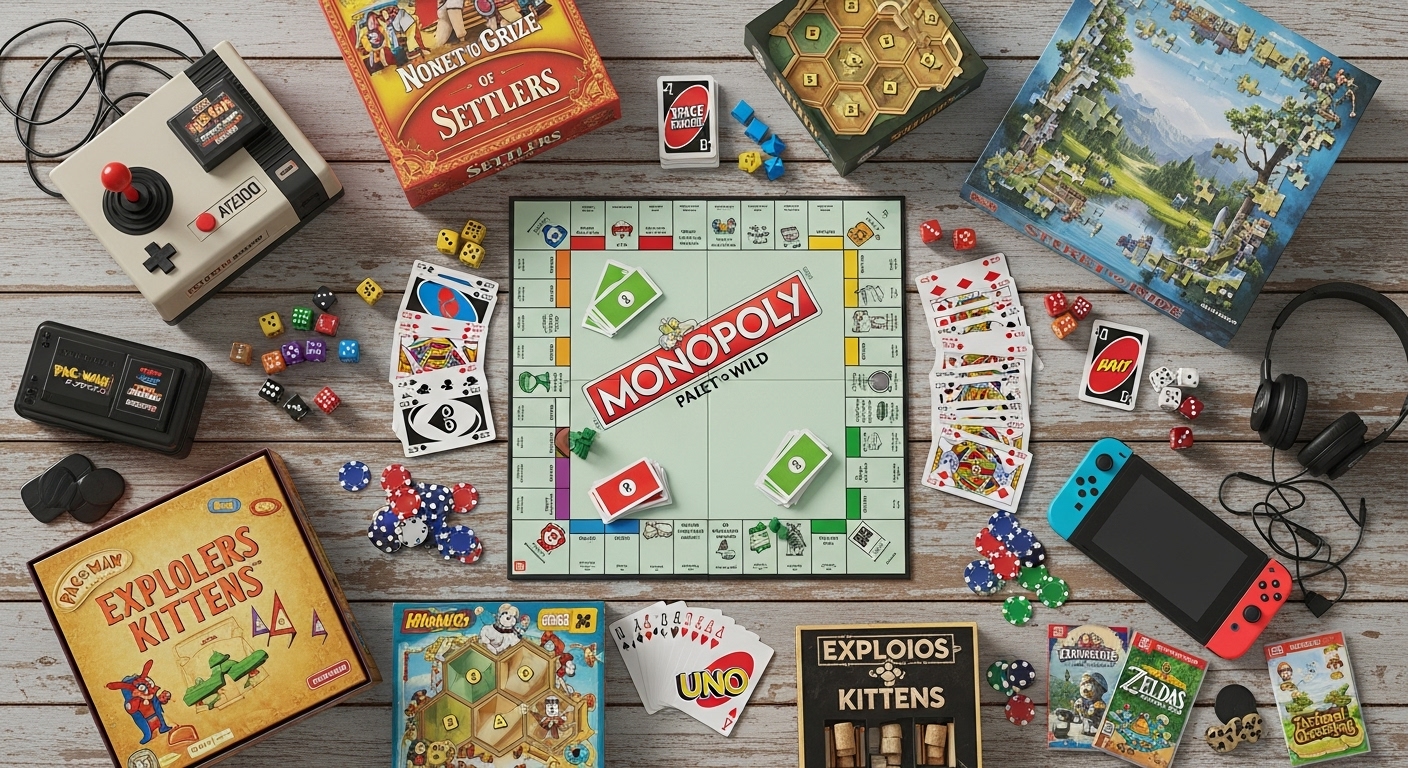

Games have been a fundamental part of human culture for centuries. Whether played for fun, competition, or even education, games have always provided a space for creativity, skill, and engagement. From the ancient origins of board games to the sophisticated, interactive digital experiences of today, the world of games has evolved significantly. Technology, cultural shifts, and even social dynamics have transformed how we play and interact with games.
In this blog post, we will explore the history of games, their cultural significance, and the impact of technological advancements on the gaming landscape. Additionally, we will look into the future of gaming, from virtual reality to artificial intelligence, and what lies ahead for this ever-growing industry.
The Origins of Games: A Timeless Tradition
Games, in some form, have been around for as long as humans have existed. The earliest recorded games date back to ancient civilizations, where games were often used for leisure, socializing, and even ritualistic purposes. The Egyptians, Greeks, and Romans had their own versions of dice games, board games, and sports that reflected their social structure and beliefs.
The game of Senet, for example, which dates back to around 3100 BC in Egypt, is considered one of the world’s oldest known board games. It was played on a grid-based board with dice-like pieces, and some historians believe it may have had religious or symbolic significance. Similarly, the ancient Greeks played games like Petteia and Kottabos, while the Romans enjoyed games such as Tabula and the famous gladiatorial contests.
In these early cultures, games were a way to engage with one another socially. They were often associated with public gatherings, festivals, and even training for warfare or physical prowess. Whether through strategic board games or physical competitions, games have always provided a platform for interaction, creativity, and personal growth.
Board Games: The Evolution of Strategy and Fun
Board games have been one of the most enduring forms of entertainment throughout history. These games often required strategic thinking, planning, and sometimes even luck, making them accessible to a wide range of people. Some of the most iconic board games in history, such as Chess, Go, and backgammon, have their roots in ancient civilizations and remain popular to this day.
Chess: A Battle of Minds
Arguably the most famous board game in the world, Chess originated in India around the 6th century AD and has since evolved into a globally recognized game of skill and strategy. Chess is a game that involves two players, each with an army of pieces, and the goal is to checkmate the opponent’s king. Over the centuries, Chess has grown from a pastime for royalty to a global phenomenon, with millions of players participating in tournaments, online games, and casual matches worldwide.
Chess is often seen as the ultimate test of mental agility, requiring deep concentration, foresight, and tactical knowledge. Today, Chess is not only played in person but also online, with platforms like Chess.com and Lichess allowing players from across the world to compete in real-time.
Go: A Game of Simple Rules, Infinite Possibilities
Another ancient board game with a rich cultural history is Go, which originated in China more than 2,500 years ago. Go is a game that involves placing black and white stones on a grid, with the objective of surrounding and capturing the opponent’s stones. The simplicity of its rules belies the depth of strategy involved. The game is often regarded as the most complex of all board games, with more possible board configurations than there are atoms in the universe.
Despite its ancient origins, Go continues to be popular today, especially in East Asia. The game has also seen a resurgence in the West, with numerous online platforms dedicated to Go and AI programs like AlphaGo challenging the boundaries of human capability.
The Rise of Digital Games: From Pong to Fortnite
While traditional board games continue to have their place in the entertainment world, it is the rise of digital games that has transformed the landscape of play. From simple arcade games to complex, interactive virtual worlds, digital games have grown into a multi-billion-dollar industry with global reach.
The Birth of Video Games
The earliest video games were relatively simple, pixelated creations designed to be played on arcade machines or early home consoles. In 1972, the game Pong was released, becoming one of the first commercially successful arcade games. With its simple premise—bouncing a ball back and forth across the screen—it laid the foundation for what would become the modern video game industry.
Following the success of Pong, the 1980s saw the rise of iconic arcade games such as Pac-Man, Space Invaders, and Donkey Kong. These games were addictive, colorful, and designed to keep players engaged for as long as possible. This era also marked the emergence of home gaming consoles, like the Atari 2600 and the Nintendo Entertainment System (NES), which allowed people to play games in their own homes.
The Evolution of Graphics and Storytelling
As technology advanced, so did the complexity of digital games. The 1990s saw the introduction of 3D graphics, better sound capabilities, and more intricate storylines. Games like Super Mario 64, The Legend of Zelda: Ocarina of Time, and Final Fantasy VII pushed the boundaries of what video games could achieve, offering expansive worlds, complex characters, and emotionally compelling narratives.
The introduction of online multiplayer gaming also changed the way people played. Games like Warcraft and Counter-Strike allowed players to connect with others around the world, sparking the rise of eSports and competitive gaming.
Modern Gaming: The Age of Fortnite, PUBG, and eSports
Today, gaming is bigger than ever before. The gaming industry is no longer just for children or niche communities—it has become a mainstream cultural phenomenon. Online multiplayer games like Fortnite, PlayerUnknown’s Battlegrounds (PUBG), and League of Legends dominate the scene, attracting millions of players and viewers worldwide.
The rise of streaming platforms like Twitch has also made gaming more accessible. Gamers can now broadcast their gameplay to a global audience, building massive communities of followers and influencing the gaming culture. Competitive gaming, or eSports, has grown into a massive industry, with professional tournaments offering millions of dollars in prize money and attracting global audiences.
Mobile Games: Entertainment at Your Fingertips
One of the most significant shifts in the gaming world in recent years has been the rise of mobile gaming. Thanks to the proliferation of smartphones and tablets, mobile gaming has become a ubiquitous form of entertainment. Games like Candy Crush Saga, Clash of Clans, and Pokémon GO have reached billions of players worldwide.
Mobile games are often free-to-play, supported by in-app purchases or ads, making them accessible to a wide audience. The simplicity and ease of access have made mobile gaming a go-to form of entertainment for people of all ages. Whether you’re passing the time on public transport or relaxing at home, mobile games provide instant fun and engagement.
Virtual Reality and Augmented Reality: The Next Frontier of Gaming
While mobile gaming continues to grow, the future of gaming is likely to be shaped by even more immersive technologies like virtual reality (VR) and augmented reality (AR). These technologies have the potential to revolutionize how we interact with games, offering experiences that go beyond traditional screens.
Virtual Reality: Stepping Into a New World
Virtual reality gaming allows players to immerse themselves in entirely new environments. By using a VR headset and motion controllers, players can interact with 3D worlds in ways that feel real. Games like Beat Saber and Half-Life: Alyx have shown the potential of VR, offering engaging, interactive experiences that feel completely different from traditional gaming.
The promise of VR is that it will create more immersive and physically engaging experiences. Players can physically move around, interact with objects, and even feel the sensation of being in a virtual world. As VR technology improves, it’s expected that more games will take full advantage of its immersive potential, creating deeper, more complex experiences.
Augmented Reality: Blending the Digital and Physical Worlds
Unlike VR, which creates an entirely virtual world, augmented reality overlays digital content onto the real world. Games like Pokémon GO have already demonstrated the potential of AR, where players can catch virtual Pokémon in real-world locations using their smartphones.
In the future, AR gaming could become even more sophisticated, allowing players to interact with virtual objects and characters within their own environments. Imagine playing a game where virtual enemies appear in your living room or solving puzzles that blend seamlessly with real-world objects.
The Impact of Gaming: Cultural, Social, and Economic Influences
Games are not just a form of entertainment—they have a significant cultural, social, and economic impact. On a cultural level, games reflect and influence society, from the stories they tell to the values they promote. Games have become a form of art, with narrative-driven titles like The Last of Us and Red Dead Redemption 2 demonstrating the emotional depth and storytelling potential of the medium.
Socially, gaming has become a major part of modern interaction. Online multiplayer games and gaming communities allow people from all walks of life to connect, collaborate, and compete. eSports, in particular, has become a spectator sport, with millions of viewers tuning in to watch professional players compete in major tournaments.
Economically, the gaming industry is one of the most lucrative in the world. The global gaming market is expected to generate over $159 billion in revenue in 2023, surpassing even the film and music industries. Mobile gaming, in particular, is a massive driver of growth, contributing billions of dollars annually.