
Introduction
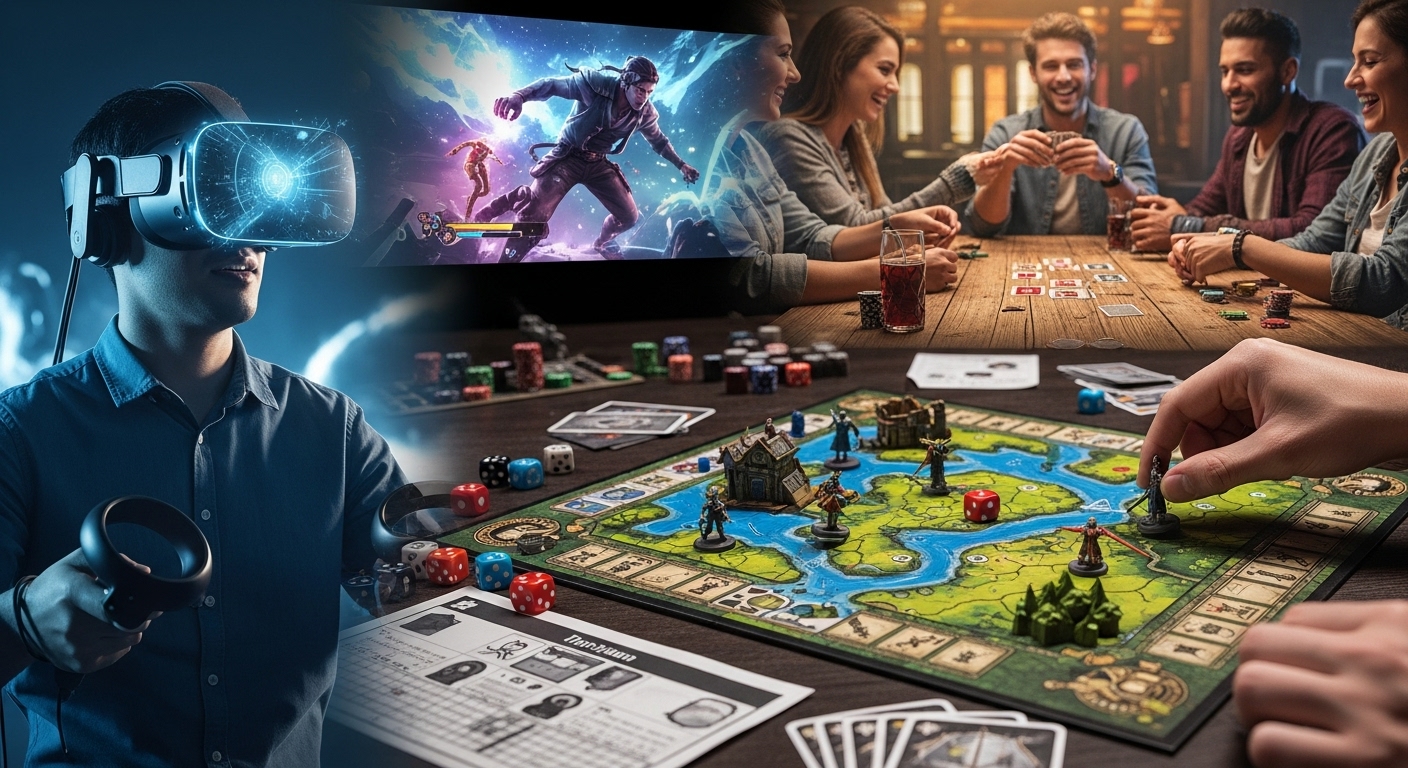
Games have always been an essential part of human culture. They entertain, challenge, and inspire creativity in players of all ages. From classic board games to modern digital adventures, games provide a unique way to learn, socialize, and explore new experiences. The world of games continues to grow, offering endless possibilities for fun, imagination, and personal growth.
The Evolution of Games
Games have come a long way from simple pastimes to complex experiences. Ancient civilizations enjoyed board games and physical challenges that tested skill and strategy. With technological advancements, video games emerged, offering interactive worlds, captivating stories, and advanced graphics. Today, games are available on consoles, computers, and mobile devices, making them accessible to people worldwide and constantly evolving in creativity and design.
Games and Learning
Games are not just for entertainment; they also support learning and development. Puzzle games enhance problem-solving skills, strategy games encourage critical thinking, and educational games make learning engaging. Even multiplayer games teach teamwork, communication, and leadership. Through play, games help players build mental agility and develop skills that are useful in everyday life.
Technology Shaping Games
Modern technology has transformed gaming into an immersive experience. Virtual reality and augmented reality allow players to explore lifelike environments, while artificial intelligence creates intelligent challenges and dynamic gameplay. Mobile and cloud-based gaming make it possible for people to play anywhere, anytime. Technology continues to expand the possibilities of games, blending innovation with imagination.
Social Connections in Gaming
Games provide a unique platform for social interaction. Multiplayer and online games connect people from all corners of the world, fostering friendships, collaboration, and healthy competition. Gaming communities bring together individuals with shared interests, creating spaces for teamwork and support. Beyond playing, games offer opportunities to communicate, collaborate, and build relationships that extend beyond the virtual world.
Games and Mental Wellness
Playing games can have a positive effect on mental health. They offer relaxation, stress relief, and a sense of achievement. Engaging in games helps improve focus, creativity, and emotional balance. Whether through casual mobile games or competitive strategy challenges, gaming provides a constructive way to unwind and recharge.
The Future of Games
The future of games is full of potential. With advancements in technology, games will continue to become more immersive, interactive, and personalized. Virtual reality, artificial intelligence, and innovative storytelling will push the boundaries of what games can achieve. The world of gaming will remain a space for creativity, connection, and endless adventure for players of all ages.
Conclusion
Games are more than a pastime; they are a journey of creativity, learning, and connection. They challenge the mind, inspire imagination, and unite people across the globe. Whether played for fun, education, or competition, games continue to shape our lives and provide experiences that entertain, educate, and inspire. The world of games proves that play is not just for children—it is a lifelong adventure filled with discovery and joy.