
Games have been a part of human culture for thousands of years, serving as a bridge between generations, societies, and even worlds of imagination. From ancient board games carved into stone to complex digital worlds filled with lifelike characters, the evolution of gaming reflects not just technological advancement but the core of human creativity and competition. Games, in all their forms, hold the power to entertain, educate, and connect people in ways that few other mediums can achieve.
The Ancient Origins of Games
Long before consoles, controllers, or computers existed, games were an essential form of entertainment and education in ancient civilizations. Archaeologists have discovered ancient board games such as Senet from Egypt, which dates back over 5,000 years, and Go, a strategic board game from China that has challenged minds for more than two millennia. These early games often held religious or cultural significance, used to teach moral lessons, simulate warfare, or celebrate life events.
In many ways, these ancient games laid the groundwork for modern gaming principles. The rules, objectives, and sense of reward that defined ancient games continue to influence how we design and play today. Whether it was rolling dice, moving stones, or playing cards, the spirit of competition and storytelling was always present.
The Birth of Modern Board and Card Games
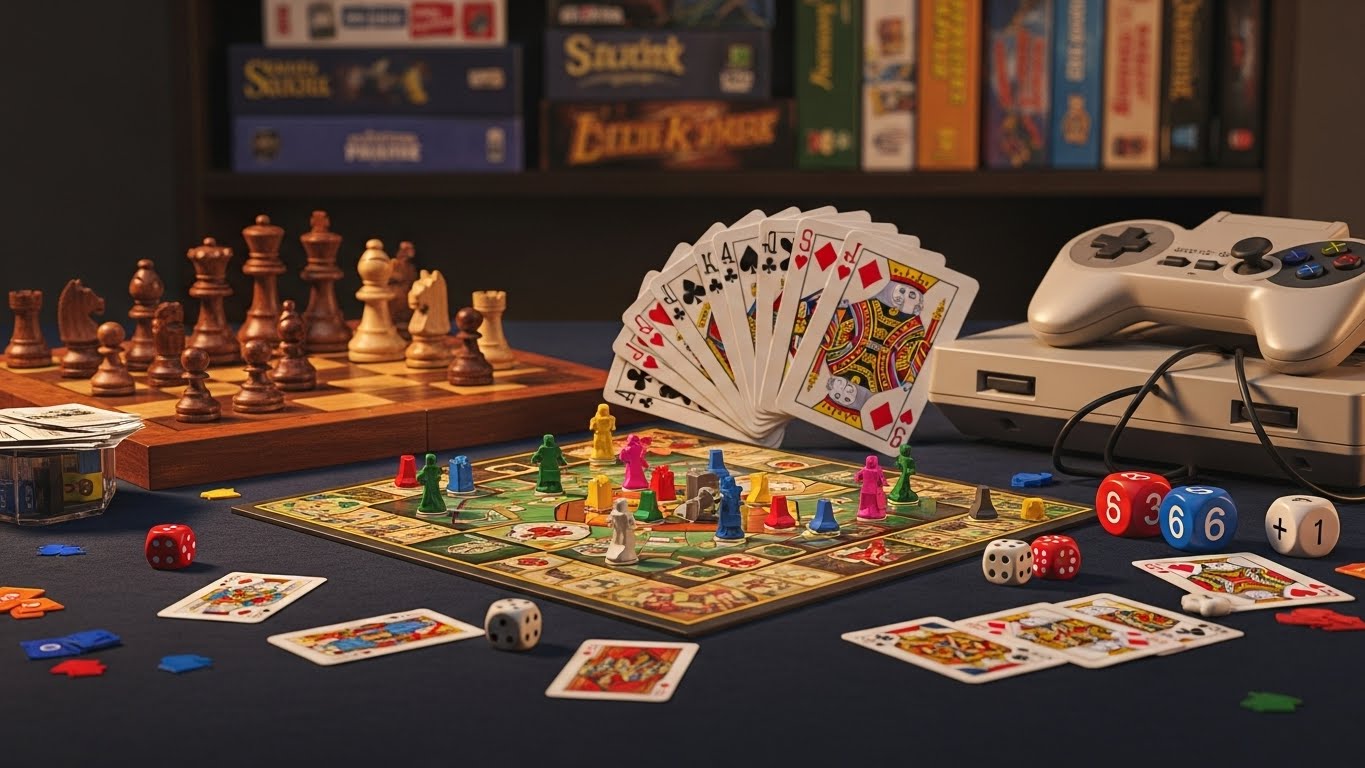
As civilizations advanced, so too did their games. In medieval Europe, card games became a popular pastime among the nobility, eventually spreading to the common people. Chess, developed around the 6th century, became a symbol of strategic thinking and intellectual challenge. Its enduring appeal demonstrates how a simple set of rules can produce infinite possibilities for play.
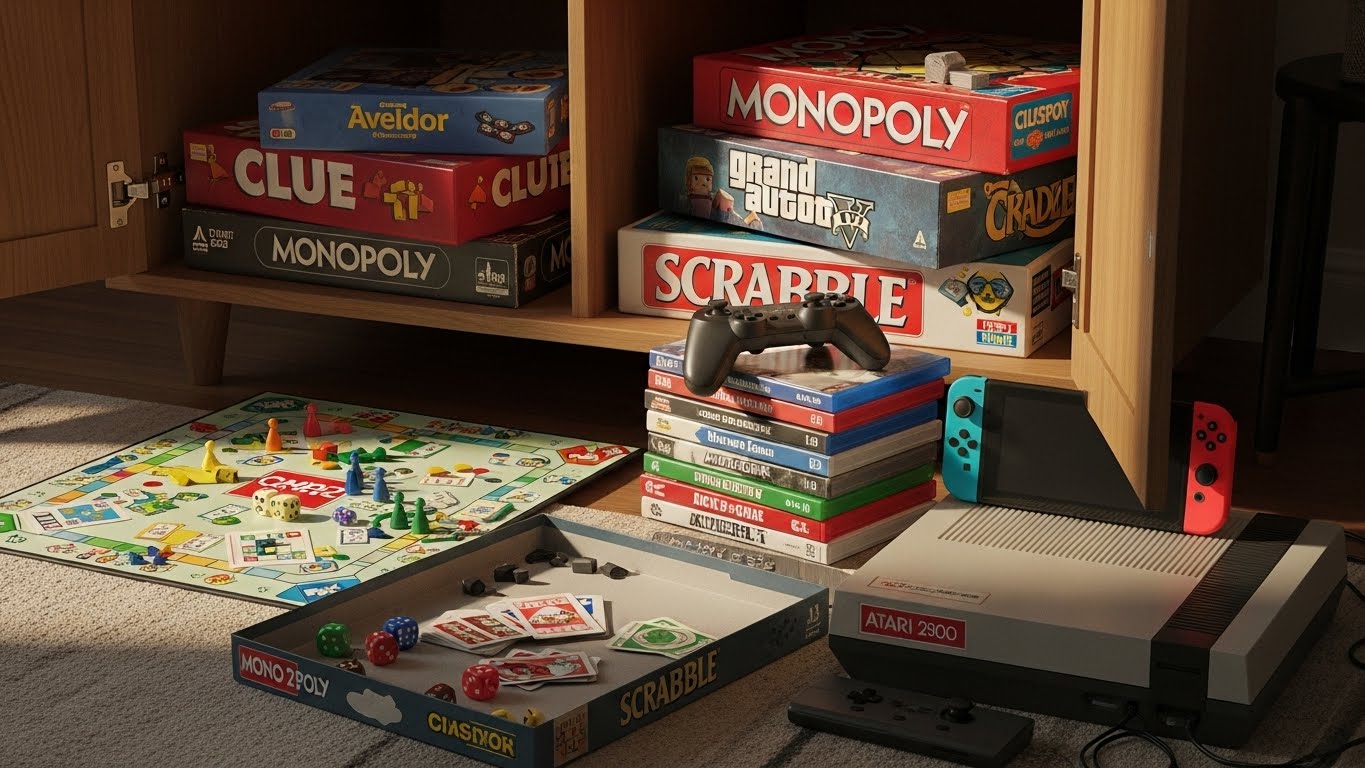
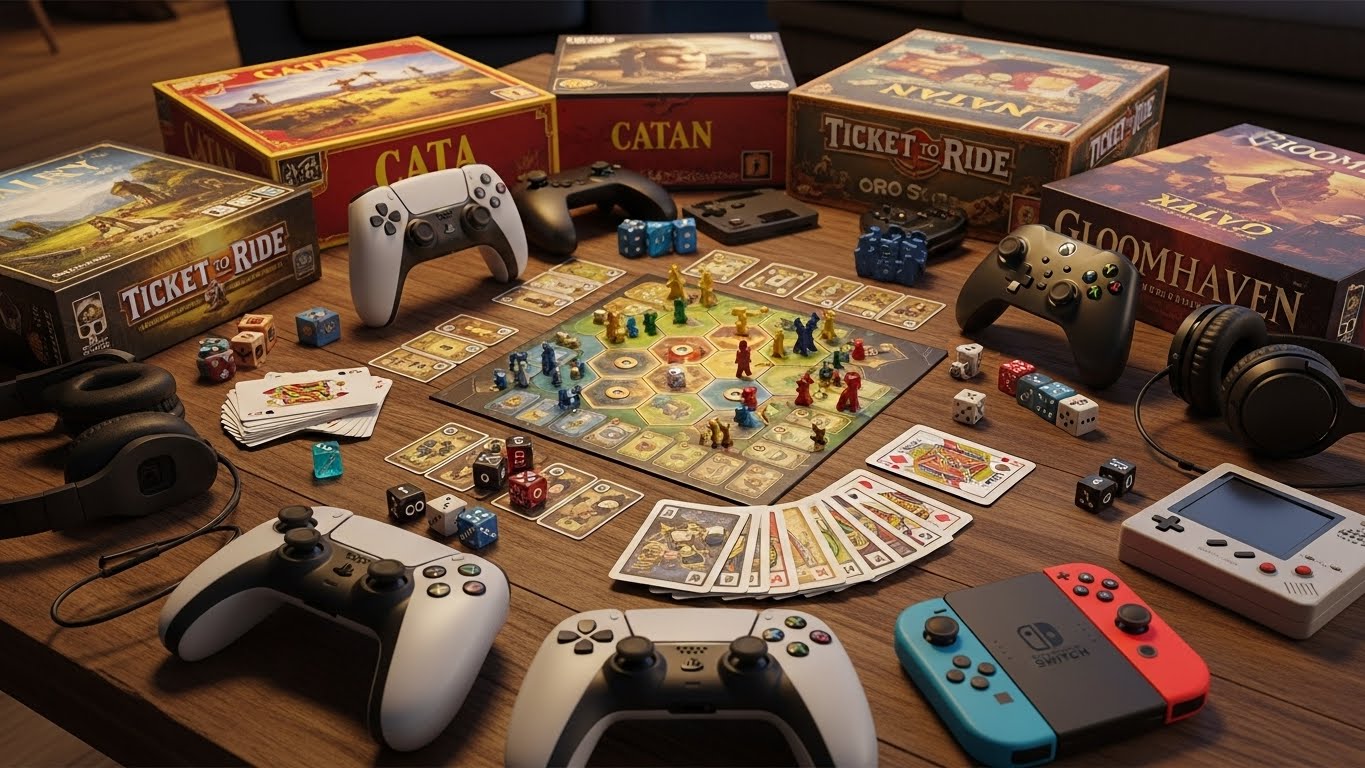
The industrial revolution of the 18th and 19th centuries brought mass production, allowing games like Monopoly, Scrabble, and Risk to reach global audiences. These classic board games not only entertained families but also encouraged social interaction, planning, and creativity. Even today, board games have experienced a revival, with modern titles introducing complex mechanics, storytelling elements, and cooperative play that make them appealing to players of all ages.
The Dawn of Digital Gaming
The mid-20th century marked the beginning of a new era. The invention of computers led to experiments with digital entertainment. The earliest video games, such as Tennis for Two and Spacewar!, were simple simulations but represented the dawn of a revolutionary art form. The 1970s and 1980s witnessed the golden age of arcade games, with titles like Pac-Man, Donkey Kong, and Space Invaders becoming household names.
Arcades became social spaces where players gathered to test their reflexes and compete for high scores. The simplicity of these games masked their genius—easy to learn, difficult to master, and endlessly replayable. This era set the foundation for gaming culture and community, elements that still define the industry today.
The Rise of Home Consoles
The introduction of home gaming consoles changed entertainment forever. Companies like Atari, Nintendo, and Sega brought the arcade experience into living rooms worldwide. The Nintendo Entertainment System (NES) in the 1980s redefined gaming with its beloved characters like Mario, Link, and Samus, sparking an era of iconic franchises that still thrive today.
These games were more than just digital toys; they told stories, built worlds, and created emotional connections. The 16-bit and 32-bit eras that followed introduced more advanced graphics, soundtracks, and storytelling. Players could now explore vast virtual worlds, take part in epic adventures, and experience narratives that rivaled those of books and films.
The Impact of PC Gaming
While consoles dominated living rooms, personal computers gave rise to another powerful branch of gaming. PC gaming allowed developers to experiment with genres, pushing the limits of technology and creativity. Games like Doom, Warcraft, and The Sims transformed the landscape of gaming by offering open-ended gameplay, modding opportunities, and online connectivity.
The mouse and keyboard became tools for precision, strategy, and control, enabling genres like first-person shooters, real-time strategy games, and massive online multiplayer experiences to flourish. PC gaming also encouraged a sense of community through forums, fan-made content, and modding culture, where players could reshape and expand their favorite titles.
The Explosion of Online Gaming
The internet changed everything. With the rise of broadband connections in the late 1990s and early 2000s, gaming became more social and competitive than ever before. Multiplayer online games allowed players from across the globe to connect, compete, and collaborate in real-time.
Massively multiplayer online role-playing games (MMORPGs) such as World of Warcraft created virtual worlds where millions could live alternate lives, form alliances, and embark on epic quests together. Online shooters like Counter-Strike and Call of Duty revolutionized competitive play, introducing ranking systems, tournaments, and professional esports scenes.
Gaming communities flourished, and virtual friendships became as meaningful as real-world ones. The sense of belonging and shared experience made online gaming more than just a hobby—it became a culture.
The Mobile Gaming Revolution
When smartphones entered the market, gaming reached a new level of accessibility. Suddenly, everyone could be a gamer, whether during a commute, a lunch break, or at home. Simple yet addictive games like Angry Birds, Candy Crush, and Clash of Clans dominated app stores, proving that gaming didn’t require expensive consoles or PCs to be enjoyable.
Mobile gaming also democratized the industry, allowing independent developers to reach global audiences without massive budgets. Casual gaming, once dismissed by traditional gamers, has become a major force driving innovation and creativity. It blurred the lines between demographics, attracting players of all ages and backgrounds.
The Rise of Esports and Competitive Gaming
As gaming evolved, so did competition. Esports, once a niche hobby, is now a global phenomenon with professional players, massive tournaments, and multimillion-dollar prizes. Games like League of Legends, Dota 2, and Fortnite have transformed competitive gaming into a legitimate sport watched by millions worldwide.
Esports has created new career opportunities, from professional players and commentators to coaches, analysts, and event organizers. Major tournaments fill stadiums, while live-streaming platforms allow fans to watch their favorite players and teams in real time. The energy and excitement of esports rival traditional sports, proving that digital competition can evoke the same passion and unity.
Storytelling and Emotional Depth in Games
Beyond competition, games have evolved into a powerful storytelling medium. Modern titles like The Last of Us, Red Dead Redemption 2, and God of War showcase emotional narratives, complex characters, and cinematic experiences that rival Hollywood productions.
Games today allow players to make meaningful choices, shaping their own stories and outcomes. The interactivity of gaming creates emotional investment, where players don’t just watch a story unfold—they live it. This sense of agency and immersion makes gaming one of the most impactful forms of storytelling ever created.
The Role of Technology in Modern Gaming
Technological advancement continues to redefine what games can be. Graphics engines create lifelike environments, artificial intelligence enhances gameplay, and cloud technology allows games to stream seamlessly across devices. Virtual reality (VR) and augmented reality (AR) bring players closer to their games than ever before, merging the physical and digital worlds.
Motion controls, haptic feedback, and voice recognition have also deepened immersion. Today, players can swing virtual swords, feel vibrations from explosions, or issue commands using their voice. Gaming has become a sensory experience, engaging sight, sound, and touch in remarkable ways.
Indie Games and the Power of Creativity
While big-budget games dominate headlines, independent developers have proven that creativity and innovation often thrive outside the mainstream. Indie games like Minecraft, Undertale, and Hollow Knight demonstrate that powerful experiences can emerge from small teams or even single creators.
These games often focus on unique storytelling, artistic expression, or experimental gameplay. The rise of digital distribution platforms has made it easier than ever for indie developers to share their creations with the world. This diversity enriches the gaming landscape, ensuring that players always have something new and unexpected to explore.
The Social and Psychological Impact of Gaming
Gaming is not just entertainment—it has real psychological and social benefits. Studies show that games can improve problem-solving skills, hand-eye coordination, and strategic thinking. Cooperative games foster teamwork and communication, while story-driven games can enhance empathy and emotional intelligence.
At the same time, gaming offers a form of stress relief and escapism. In difficult times, virtual worlds can provide comfort and community. Many players find solace in gaming, connecting with friends or exploring new realities that offer hope, adventure, and creativity.
Challenges and Criticisms in the Gaming Industry
Despite its many positives, gaming faces challenges. Issues such as addiction, toxicity in online communities, and excessive monetization have sparked debates about responsibility and ethics in game design. Developers and communities are now working toward more inclusive and positive environments, where gaming remains safe and enjoyable for everyone.
Representation has also become a major focus. Modern games are increasingly celebrating diversity, offering characters and stories that reflect the wide range of human experiences. The push for inclusivity ensures that gaming continues to evolve not just technologically, but socially as well.
The Future of Gaming
Looking ahead, the future of gaming is both exciting and unpredictable. With the rise of artificial intelligence, cloud computing, and virtual reality, the boundaries between real and virtual worlds will continue to blur. Games may soon become fully immersive experiences where players step directly into dynamic, living worlds.
Cross-platform play, subscription models, and community-driven content are shaping how players interact with games and each other. The next generation of gamers will grow up in a world where play is more connected, creative, and collaborative than ever before.
The Timeless Nature of Play
At its heart, gaming is an expression of play—a universal human instinct that transcends age, culture, and technology. Whether it’s a child playing a simple puzzle game, a family gathered around a board game, or millions watching an esports final, the essence of play remains the same: joy, challenge, and connection.
From ancient stones to digital realms, games have always reflected who we are and what we aspire to be. They teach us about creativity, competition, resilience, and imagination. As technology continues to evolve, the spirit of gaming will endure, reminding us that play is not just a pastime—it’s a vital part of being human.
Conclusion
The world of games is vast, ever-changing, and deeply intertwined with human culture. What began as simple pastimes has grown into a global industry, an art form, and a way of life. Games bring people together, inspire creativity, and offer endless opportunities to explore new worlds and ideas.
As we move into the future, one thing remains certain: games will continue to shape how we learn, connect, and dream. Whether digital or physical, competitive or cooperative, simple or complex, games remind us that imagination has no limits—and that within every player lies the spirit of discovery and joy that defines the human experience.