Games, in their many forms, have become an integral part of human culture. Whether they are played on a console, a computer, or in a social setting, games offer more than just entertainment—they provide challenges, teach problem-solving skills, and foster connections between players. From the ancient board games of the past to the advanced digital experiences of today, games have evolved into a vast and dynamic universe. This blog post will explore the world of games, delving into their history, types, cultural impact, and the future of gaming.
The History of Games: From Ancient Pastimes to Modern Phenomena
The roots of gaming can be traced back to ancient civilizations. The earliest known board games, such as Senet in Egypt, date back over 5,000 years. These early games were often designed as a form of entertainment but also carried spiritual and cultural significance. For instance, Senet was believed to be a way to interact with the gods and was associated with the journey of the soul in the afterlife. As civilizations expanded, so did the complexity of their games.
The ancient Greeks and Romans contributed significantly to the evolution of games. The Greeks invented Petteia, a strategy board game that resembled modern-day checkers, while the Romans enjoyed games like Ludus Latrunculorum, which is similar to chess. During the Middle Ages, games like chess and backgammon flourished, and these games continued to evolve over centuries.
In the 20th century, games began to shift from physical board games to more complex, electronic forms. The first commercially successful video game, Pong, was released in 1972, marking the beginning of the video game era. From then on, the gaming industry would grow exponentially, driven by technological advances and a shift in how games were perceived—as not just entertainment but a serious form of art and culture.
The Evolution of Video Games: From Pixels to Photorealism
In the early days of video gaming, the technology was rudimentary. Early games like Space Invaders, Pac-Man, and Asteroids were simple pixel-based experiences that focused primarily on gameplay rather than graphics or story. These games were addictive in their simplicity, offering short, intense bursts of action that kept players coming back for more.
With the introduction of consoles like the Nintendo Entertainment System (NES) in the 1980s, gaming began to expand into the home. This period saw the rise of iconic franchises such as Super Mario, The Legend of Zelda, and Metroid, which set new standards for gameplay, narrative, and character design. These games, though simple by today’s standards, introduced players to immersive worlds that encouraged exploration and problem-solving.
The 1990s and 2000s brought about a significant leap in gaming technology. The introduction of 3D graphics revolutionized the industry, allowing for more dynamic and realistic environments. Games like Super Mario 64, Final Fantasy VII, and The Legend of Zelda: Ocarina of Time set new standards for immersive worlds and engaging narratives. This period also marked the rise of the Sony PlayStation and Microsoft Xbox consoles, which furthered the popularity of gaming as a mainstream hobby.
As technology continued to advance, so did the graphics and complexity of games. The arrival of HD graphics, motion capture technology, and advanced AI allowed developers to create lifelike characters and expansive worlds. Games like The Elder Scrolls V: Skyrim, Grand Theft Auto V, and Red Dead Redemption 2 offered players rich, open worlds to explore, filled with intricate detail and dynamic interactions.
Types of Games: From Casual Fun to Hardcore Experiences
Games can be broadly categorized into various types, each offering a unique experience. While some games are designed to be quick and casual, others require strategy, skill, and long-term commitment. Here are some of the main types of games that have captured the imagination of players worldwide.
Video Games: The Interactive Entertainment Medium
Video games are perhaps the most diverse category of games, offering a range of genres to suit every taste. From action-packed shooters like Call of Duty to story-driven adventures like The Last of Us, video games offer experiences that span every genre imaginable.
- Action and Adventure: These games focus on physical challenges, combat, and exploration. Examples include Uncharted, Tomb Raider, and Assassin’s Creed. These games often combine platforming, puzzles, and combat mechanics to create engaging and fast-paced experiences.
- Role-Playing Games (RPGs): RPGs immerse players in vast, story-rich worlds where they can take on the role of a character and make decisions that impact the narrative. Games like The Witcher 3, Final Fantasy XV, and Mass Effect allow players to explore intricate storylines, develop characters, and engage in tactical combat.
- Simulation Games: These games replicate real-world activities and allow players to control various aspects of life or environment. Popular simulation games include The Sims, SimCity, and Animal Crossing, which allow players to create and manage virtual environments.
- Strategy Games: In strategy games, players must think critically and plan their moves ahead of time to outsmart their opponents. Starcraft, Civilization, and Age of Empires are classic examples of strategy games, where careful planning and resource management are key to victory.
- Sports and Racing Games: These games simulate real-world sports, allowing players to control teams or individual athletes. FIFA, NBA 2K, and Gran Turismo are prime examples, offering lifelike graphics and realistic gameplay that appeals to fans of the respective sports.
- Multiplayer Online Games: The rise of the internet brought about the rise of online multiplayer games, where players can compete or cooperate in real-time across the globe. Games like League of Legends, Fortnite, and World of Warcraft offer rich multiplayer experiences, often incorporating competitive or cooperative elements that keep players coming back for more.
Board Games and Tabletop Games: The Timeless Social Experience
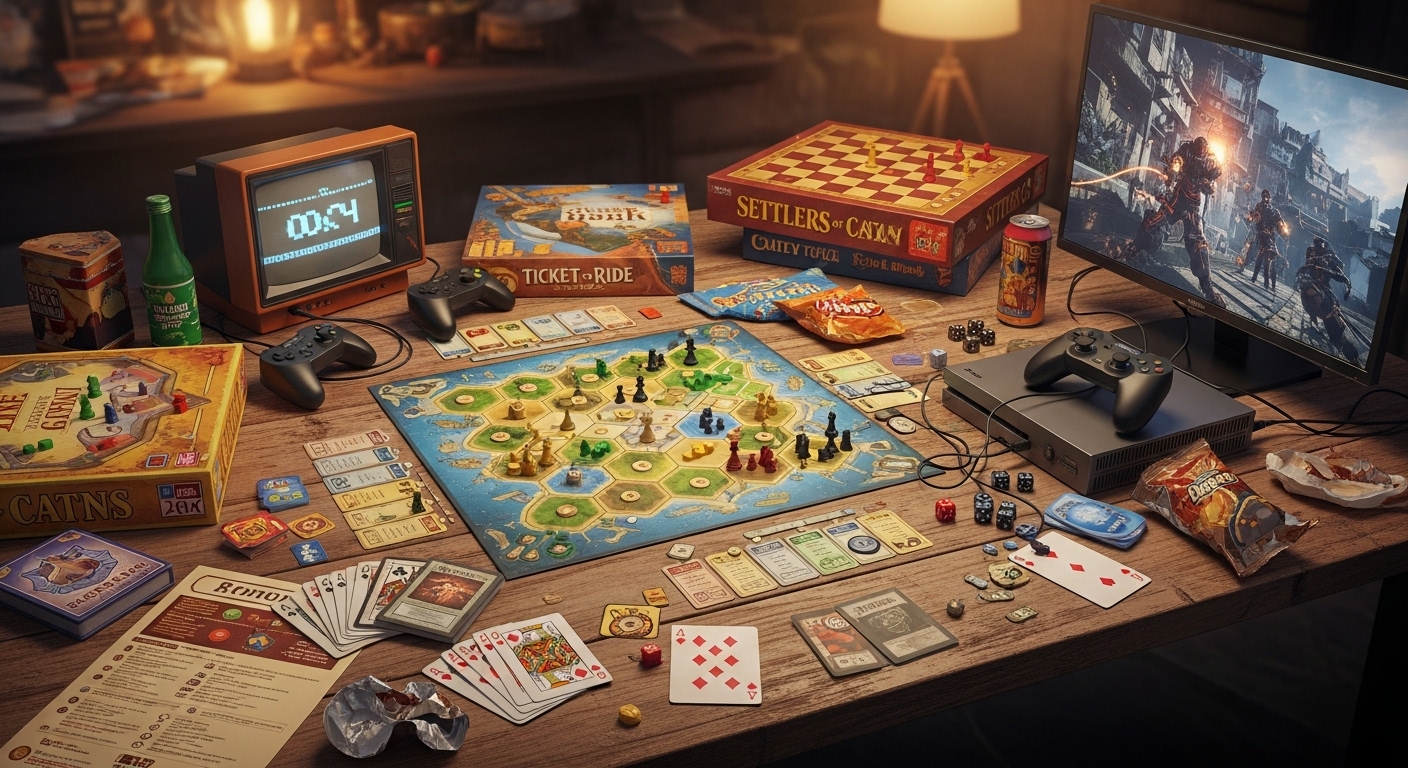
Though digital gaming has taken center stage in recent decades, board games and tabletop games remain as popular as ever. These games often involve social interaction and strategy, making them great for friends and family gatherings.
Monopoly, Risk, and Clue have been household staples for generations, while more modern offerings like Catan, Ticket to Ride, and Pandemic have revitalized the genre, offering new mechanics and deeper strategy. Tabletop role-playing games (TTRPGs) like Dungeons & Dragons have seen a resurgence in popularity in recent years, with players enjoying the collaborative storytelling and problem-solving aspects of the game.
Mobile Games: The Rise of Gaming on the Go
With the advent of smartphones, mobile gaming has exploded in popularity. Casual games like Candy Crush Saga, Angry Birds, and Clash of Clans have captured the attention of millions of players worldwide. These games are often free to play, with in-app purchases available for players who want to enhance their experience.
Mobile games offer a unique advantage in that they can be played anytime, anywhere, making them perfect for short bursts of entertainment. While some mobile games are simple and easy to play, others, like Pokémon GO or Genshin Impact, provide deep, immersive experiences on par with console and PC games.
The Cultural Impact of Games: More Than Just Entertainment
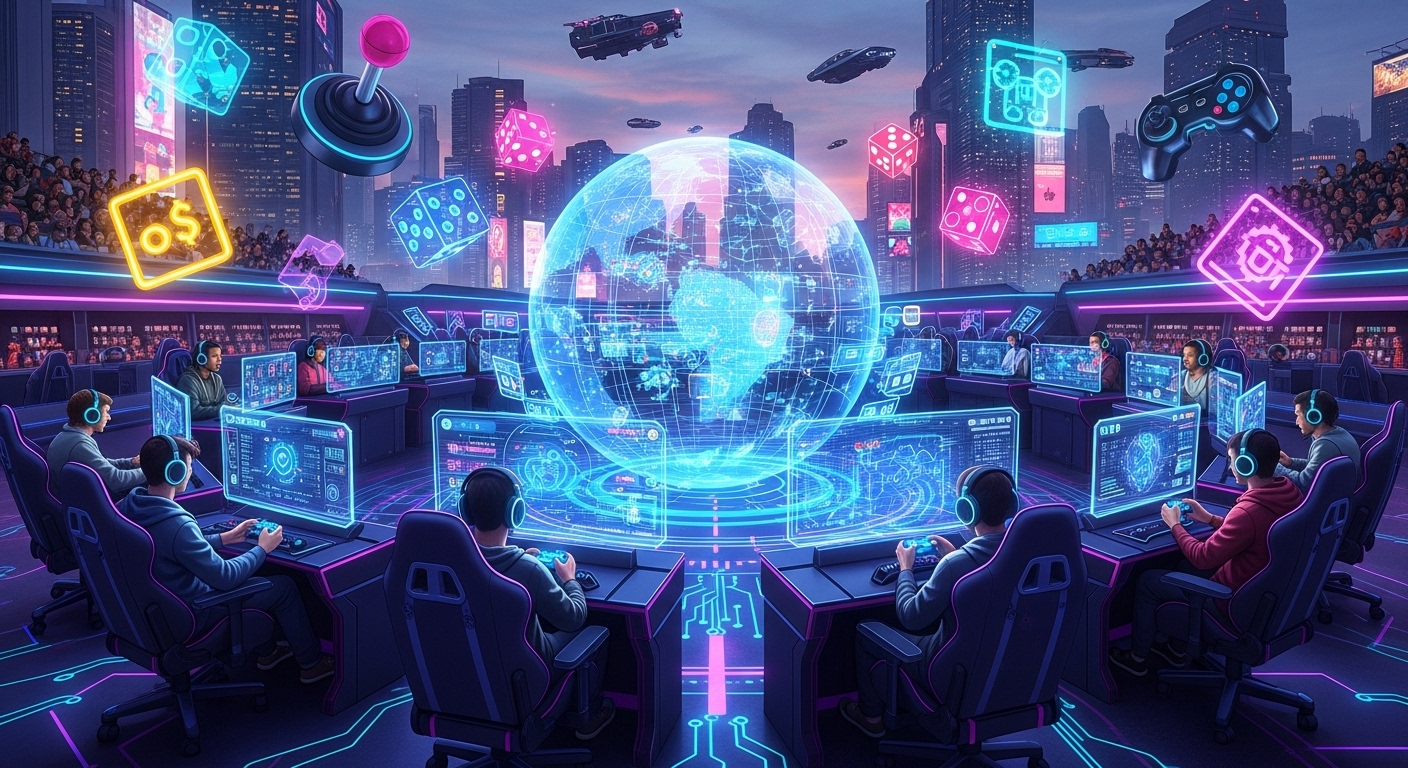
Games have become a cultural phenomenon that goes beyond just providing entertainment. They have become a shared language, a way for people to connect across borders and cultures. eSports, for example, has become a global industry, with professional players, teams, and tournaments attracting millions of viewers worldwide. Games like League of Legends, Counter-Strike: Global Offensive, and Overwatch have turned gaming into a competitive sport, with multi-million-dollar prize pools and millions of fans watching online or in arenas.
Additionally, games have had a significant impact on storytelling. Many modern games are as intricate and emotionally resonant as films or novels. Games like The Last of Us and Red Dead Redemption 2 tell stories that explore deep, complex themes such as love, loss, and redemption, with narratives that are both immersive and thought-provoking.
Games also provide a platform for creative expression. Players and developers alike can create and share their own content, from custom levels and mods to entirely new games. Platforms like Minecraft and Roblox allow players to build, share, and play in virtual worlds that they have created themselves.
The Future of Gaming: The Horizon of Innovation
Looking forward, the future of gaming is more exciting than ever. Technological innovations like virtual reality (VR) and augmented reality (AR) promise to take gaming experiences to a whole new level, offering players the chance to immerse themselves in fully realized digital worlds.
Cloud gaming is also on the horizon, allowing players to stream games directly to their devices without the need for high-end hardware. Services like Google Stadia, Xbox Cloud Gaming, and NVIDIA GeForce Now are already paving the way for a more accessible, flexible gaming experience.
Artificial intelligence is also playing an increasingly important role in gaming. AI-driven characters, dynamic worlds, and procedurally generated content are making games more interactive and personalized, ensuring that no two gaming experiences are ever the same.
Conclusion: Gaming as a Universal Language
Games are no longer just a form of entertainment; they are an essential part of modern culture. From the humble beginnings of board games to the immersive digital experiences of today, gaming has evolved into a vast, dynamic world that offers something