
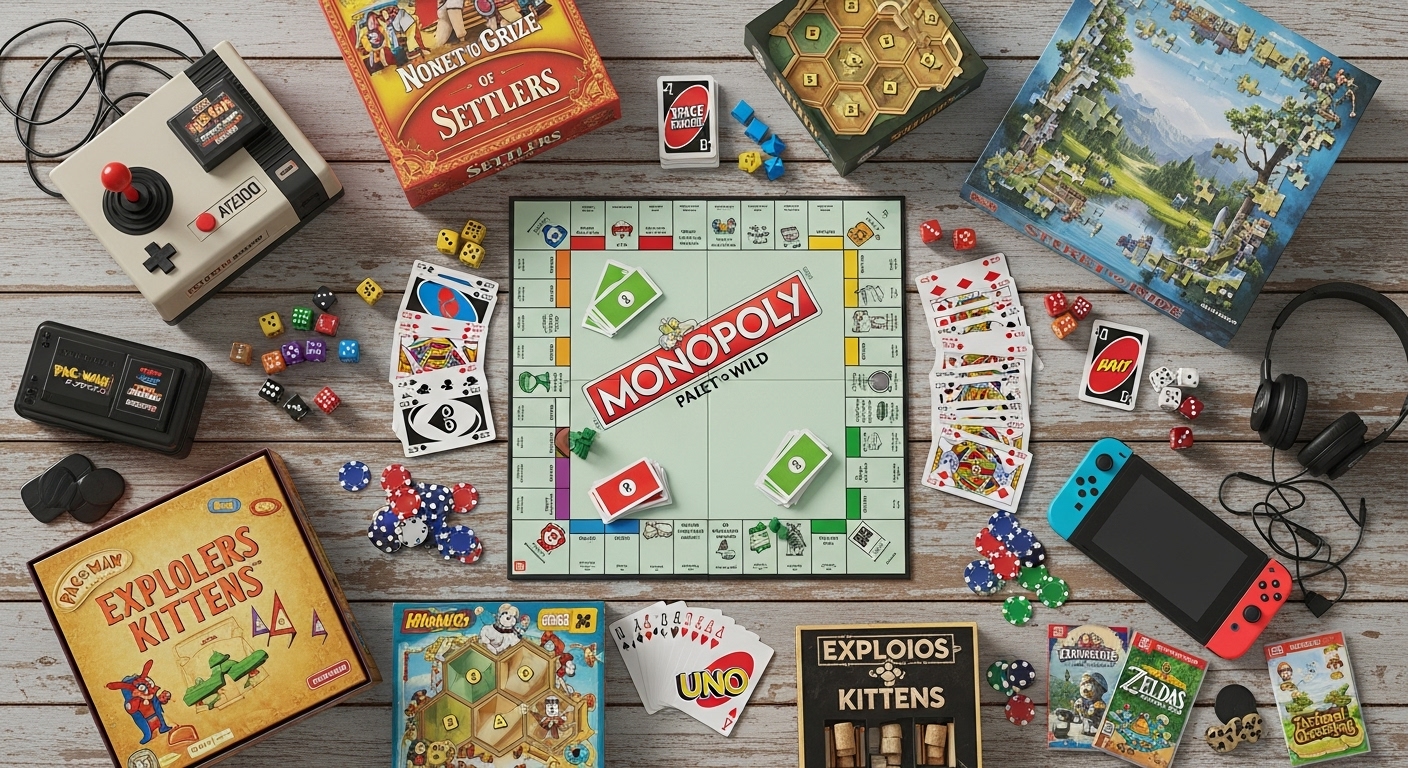
Introduction: The Timeless Appeal of Games
Games have been part of human life for centuries, offering enjoyment, challenge, and connection. From traditional board games to modern digital experiences, they engage the mind and spark creativity. Beyond entertainment, games teach valuable lessons about strategy, patience, and teamwork, making them a vital part of both childhood and adulthood.
The Educational Benefits of Games
Games are more than fun—they are tools for learning. Puzzle games sharpen problem-solving skills, strategy games improve critical thinking, and memory-based games enhance focus and concentration. Educational games make complex concepts accessible, helping players learn while enjoying themselves. These benefits apply to both children and adults, fostering continuous growth.
Social Interaction Through Games
Games bring people together in unique ways. Board games with family, card games with friends, or cooperative digital games online encourage communication, teamwork, and friendly competition. Shared gaming experiences build bonds, create lasting memories, and strengthen relationships, proving that games are a universal language of connection.
Cognitive and Emotional Growth
Playing games stimulates the brain and nurtures emotional intelligence. Strategic games teach planning and decision-making, while competitive games cultivate resilience and patience. Learning to handle victory and defeat gracefully helps players develop confidence and emotional balance, preparing them for challenges beyond the gaming world.
Technology and Modern Gaming
Technology has transformed games into immersive and interactive experiences. Digital games, mobile apps, and virtual reality offer rich visuals, engaging storylines, and dynamic gameplay. These innovations make games accessible to a wider audience and provide creative ways to challenge the mind and imagination.
Games as a Cultural Force
Games influence modern culture, inspiring films, music, fashion, and social communities. Competitive gaming and esports have created global fan bases, while casual games foster everyday entertainment. Games are not just pastimes; they are cultural phenomena that shape trends, creativity, and social interaction.
The Role of Games in Personal Development
Games teach more than rules and strategies—they cultivate essential life skills. Players learn teamwork, problem-solving, adaptability, and perseverance. The lessons learned in play often translate to real-world situations, helping individuals grow intellectually, socially, and emotionally.
Conclusion: More Than Just Play
Games are a blend of fun, learning, and connection. They entertain, challenge, and inspire players of all ages, providing opportunities for growth, creativity, and social bonding. From traditional board games to digital adventures, games remain a timeless and meaningful part of human life, shaping minds and hearts in ways that go far beyond the screen or the board.