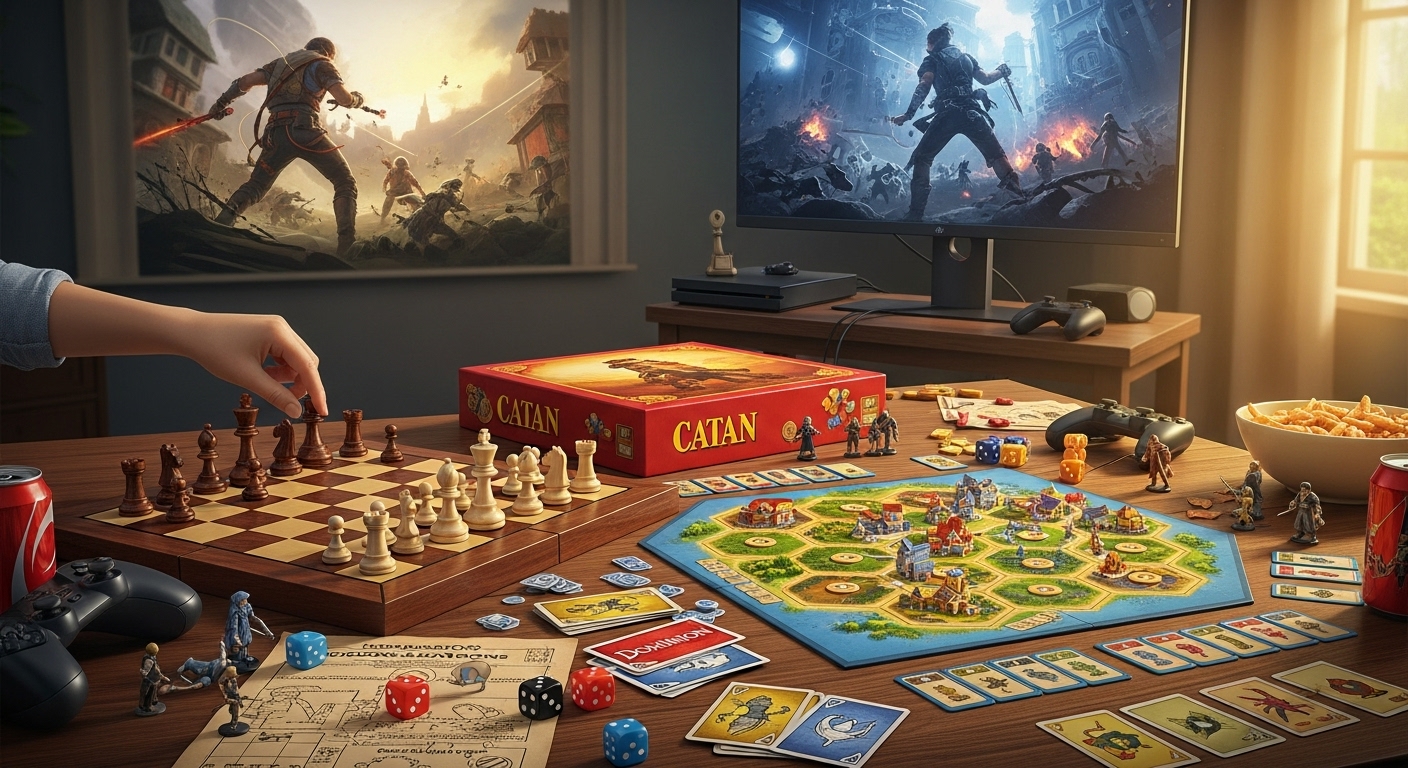
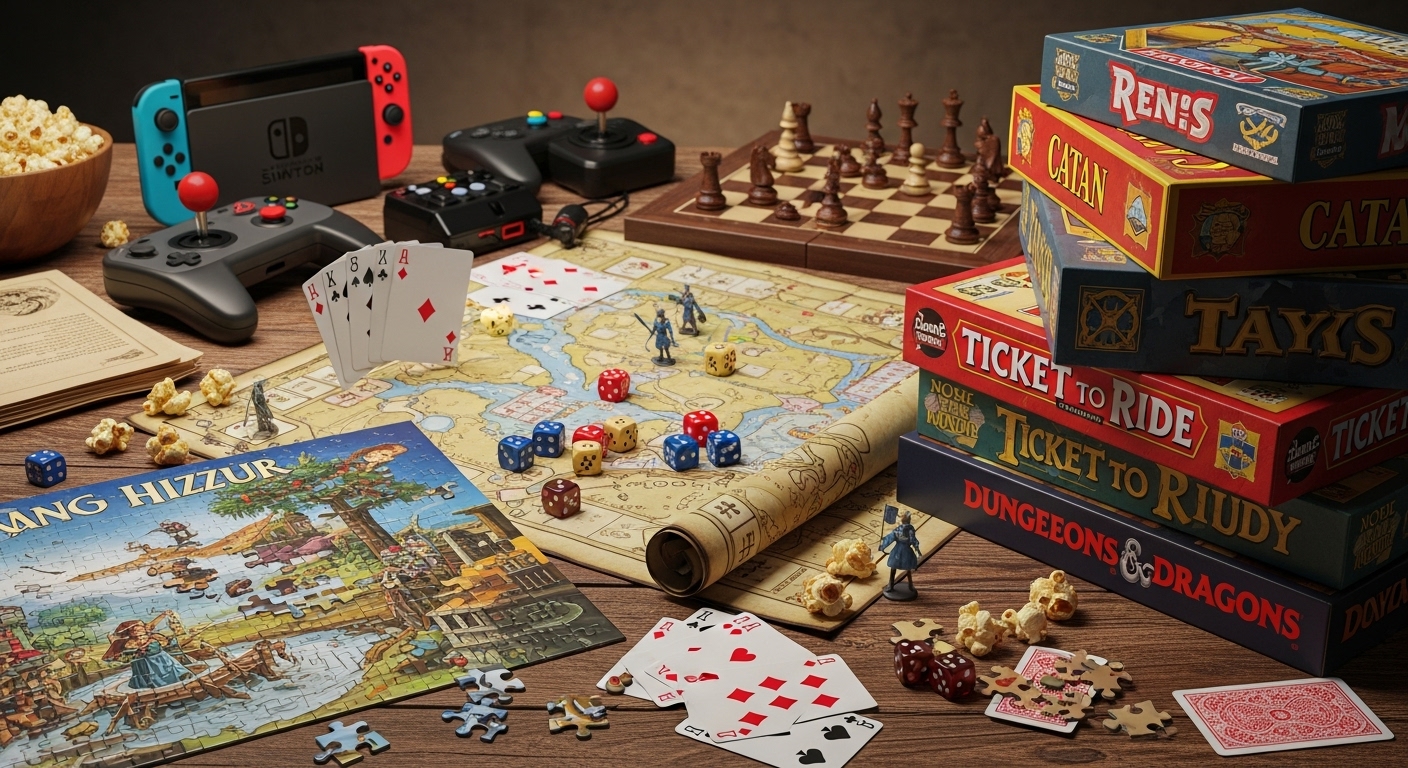
Games have been a part of human life for centuries. From traditional board games to modern digital adventures, they continue to entertain, challenge, and connect people across the globe. Games are not just about fun; they reflect creativity, strategy, and human interaction in their purest form.
The Evolution of Games
Games have evolved alongside human civilization. Ancient games like chess, dice, and card games tested strategy and logic long before technology existed. Today, video games, mobile games, and online platforms have expanded the world of play into a digital dimension. With advanced graphics, storytelling, and interactive features, modern games provide experiences that are both entertaining and intellectually engaging.
The Role of Games in Learning
Games are powerful tools for education and development. They encourage problem-solving, critical thinking, and teamwork. Educational games help children learn complex subjects in a fun and interactive way, while strategic games enhance memory and decision-making skills. Even simple games can teach patience, focus, and creativity. This blend of learning and entertainment makes games valuable for people of all ages.
The Social Power of Games
One of the most significant aspects of games is their ability to bring people together. Multiplayer and online games allow players from different parts of the world to connect, cooperate, and compete. Board games and group challenges strengthen friendships and family bonds. Through play, people learn teamwork, communication, and empathy, proving that games are not only enjoyable but also socially enriching.
Games as a Form of Art and Creativity
Modern games have become a true form of artistic expression. Game developers combine music, visual design, storytelling, and technology to create immersive experiences that rival films and literature. Many games explore deep emotional themes, cultural stories, and imaginative worlds that inspire creativity in players. This artistic side of gaming has turned it into one of the most influential entertainment industries today.
The Psychological Benefits of Playing Games
Playing games has many psychological benefits. They act as a stress reliever, providing relaxation and joy after long hours of work or study. Games stimulate the brain, improve focus, and enhance cognitive flexibility. They also boost confidence as players achieve goals, complete levels, or win challenges. For many, gaming is not just entertainment but also a source of motivation and personal growth.
The Future of Games
The future of games looks bright and boundless. Advancements in virtual reality, augmented reality, and artificial intelligence are transforming how people experience play. Players can now step inside virtual worlds, interact with lifelike characters, and create their own adventures. As technology continues to evolve, games will become even more interactive, inclusive, and inspiring for generations to come.
Games are more than just entertainment; they are a bridge between imagination and reality. They teach, inspire, and connect people in meaningful ways. Whether played for learning, relaxation, or competition, games will always hold a special place in human culture as a universal language of creativity and joy.