
Introduction: The Growing Influence of Games
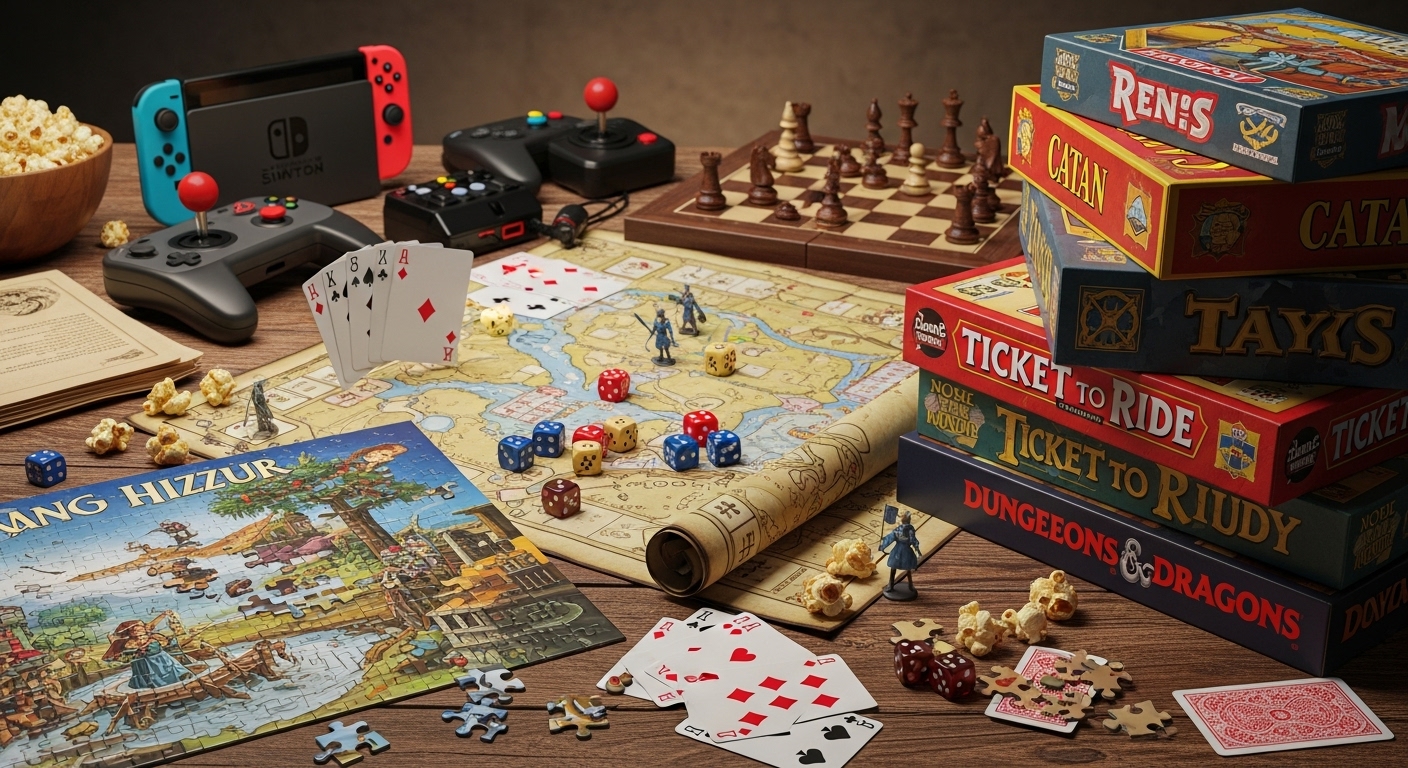
Games have been a part of human culture for thousands of years, evolving from simple pastimes to complex forms of entertainment that shape social interaction, technology, and even education. From board games to digital platforms, games provide experiences that are immersive, interactive, and increasingly global. They have become more than leisure activities; they are a cultural phenomenon, a source of social connection, and a major industry influencing technology, creativity, and storytelling. This blog explores the world of games, examining their evolution, types, impact, and future prospects.
The History and Evolution of Games
Games have existed in various forms for centuries. Ancient civilizations played games like chess, dice, and strategy contests, which were often tied to education, skill development, or rituals. The 20th century saw a major transformation with the advent of video games. Classic arcade titles like Pong and Space Invaders marked the beginning of digital gaming, offering simple yet engaging interactive experiences. As technology advanced, video games evolved into complex ecosystems with rich graphics, intricate gameplay, and interactive storytelling. The rise of consoles, personal computers, and mobile devices has democratized access to gaming, making it a mainstream form of entertainment enjoyed by millions worldwide.
Technology and Gaming
Technology is at the heart of modern gaming. High-performance graphics, physics engines, and sound design create immersive and realistic experiences. Artificial intelligence drives non-player characters and dynamic game environments, making gameplay challenging and engaging. Virtual reality and augmented reality provide fully immersive worlds, blurring the line between real and digital spaces. Cloud gaming platforms enable high-quality experiences without the need for expensive hardware. Together, these technological advancements have expanded what games can offer, transforming them into sophisticated experiences that rival other forms of entertainment.
Types of Games
Casual and Mobile Games
Casual games are designed for simplicity, accessibility, and short play sessions. They are often puzzle-based, strategy-focused, or social in nature. Mobile gaming dominates this sector, offering convenience and entertainment on smartphones and tablets. These games are designed for quick engagement, appealing to a broad audience and providing entertainment anytime and anywhere. Examples include match-three puzzles, endless runners, and social games that encourage community interaction.
Console and PC Games
Console and PC games provide deep, immersive experiences. Consoles like PlayStation, Xbox, and Nintendo Switch offer dedicated gaming platforms with high-quality graphics and engaging gameplay. PC games allow for high customization, powerful graphics, and complex mechanics. These games often feature detailed narratives, multiplayer capabilities, and competitive gameplay that keep players engaged for hours. Genres range from role-playing games to first-person shooters and simulation games, each offering unique experiences and challenges.
Online Multiplayer Games
Online multiplayer games connect players worldwide, fostering collaboration, competition, and social interaction. Massively multiplayer online role-playing games, battle royale games, and team-based shooters allow players to communicate, strategize, and compete in real time. Online gaming communities provide platforms for friendships, tournaments, and shared experiences. The rise of esports has turned competitive online gaming into a professional arena, with global tournaments, sponsorships, and dedicated fan followings.
Board Games and Tabletop Games
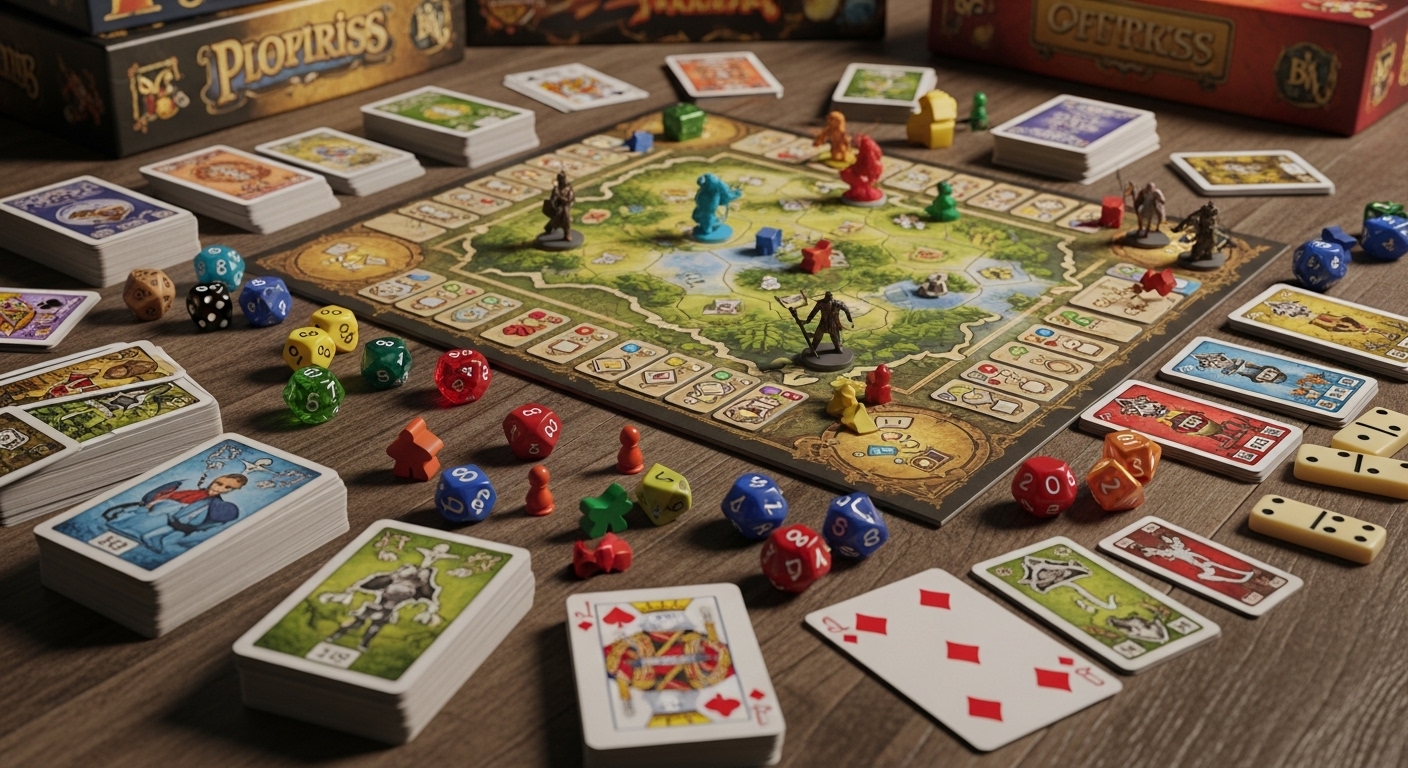
Board games and tabletop role-playing games provide a tactile and social gaming experience. Classic board games such as Monopoly and chess encourage strategy, planning, and critical thinking. Tabletop role-playing games, like Dungeons and Dragons, emphasize storytelling, creativity, and collaboration. These games have experienced a resurgence as players seek meaningful social interaction and intellectual engagement, proving that gaming is not limited to digital formats.
Social Impact of Games
Games have a profound impact on social interaction and culture. Online multiplayer games create virtual communities where players form friendships, exchange ideas, and work together to achieve goals. Competitive gaming has cultivated global audiences, creating a professional ecosystem around esports. Games also reflect cultural values, social issues, and ethical dilemmas, offering players opportunities for critical thinking and engagement. Socially, games act as a bridge between cultures and generations, connecting people in ways that transcend geographical boundaries.
Cognitive and Educational Benefits of Games
Gaming is more than entertainment; it has measurable educational and cognitive benefits. Strategy and puzzle games enhance problem-solving and critical thinking skills. Simulation games teach planning, resource management, and decision-making. Educational games are increasingly used in classrooms to make learning interactive and engaging. Gaming fosters creativity, adaptability, and collaboration, equipping players with skills applicable to real-world situations. In this sense, games are both a source of enjoyment and a tool for personal and intellectual development.
The Business of Gaming
The gaming industry is a multi-billion-dollar global enterprise encompassing game development, publishing, marketing, and merchandising. Developers invest heavily in graphics, coding, music, and storytelling to deliver high-quality experiences. Monetization strategies have evolved to include microtransactions, downloadable content, and subscription models, providing ongoing engagement and revenue streams. Esports, streaming platforms, and content creation have created professional opportunities for players, commentators, and influencers. The industry’s economic impact extends beyond entertainment, driving technological innovation and job creation worldwide.
Gaming Culture and Community
Gaming has developed a rich cultural identity that includes conventions, fan communities, streaming, and content creation. Social media and streaming platforms allow players to share gameplay, tips, and experiences, fostering global communities. Cosplay, fan art, and storytelling inspired by games demonstrate the creativity that gaming evokes. Competitive gaming events and conventions provide spaces for enthusiasts to celebrate innovation, artistry, and community. Gaming culture continues to evolve, influencing fashion, music, storytelling, and entertainment beyond traditional platforms.
Challenges Facing the Gaming Industry
Despite its growth, the gaming industry faces several challenges. Gaming addiction and excessive playtime remain societal concerns, prompting discussions about regulation and responsible gaming. Online harassment and toxicity in multiplayer environments require monitoring and moderation. Diversity and representation in games and development teams are ongoing challenges, highlighting the need for inclusive narratives and equitable opportunities. Cybersecurity threats, piracy, and intellectual property protection also demand attention to ensure safe and fair gaming experiences. Addressing these challenges is essential for the long-term sustainability and credibility of the industry.
The Future of Gaming
The future of gaming promises continued innovation and expansion. Virtual reality and augmented reality will create increasingly immersive experiences. Cloud gaming will make high-quality games accessible to more players without expensive hardware. Artificial intelligence will drive personalized gameplay, adaptive challenges, and intelligent in-game behavior. Blockchain technology and digital ownership may revolutionize how players interact with virtual assets. As technology advances, gaming will continue to influence culture, education, and social connection, offering new ways to learn, play, and engage with the world.
Conclusion: The Enduring Power of Games
Games are no longer merely a form of entertainment; they are a dynamic force shaping culture, technology, and social interaction. From casual mobile games to competitive esports, from educational simulations to immersive virtual worlds, gaming impacts lives in diverse and meaningful ways. The industry continues to grow, innovate, and adapt, driven by technological advancement and human creativity. Whether for fun, learning, social connection, or professional competition, games provide experiences that are engaging, transformative, and culturally significant. The world of games is ever-expanding, offering endless opportunities for enjoyment, exploration, and innovation.