Introduction: Games as More Than Entertainment
Games have always been a part of human existence. From childhood play to competitive sports and complex digital worlds, games occupy a unique space in our lives. They are often viewed as simple entertainment, yet their influence reaches far deeper than momentary enjoyment. Games shape how we think, learn, socialize, and express ourselves. In modern society, games are no longer limited to playgrounds or living rooms; they exist in classrooms, workplaces, and virtual environments. Understanding the role of games helps us appreciate how play influences personal growth, culture, and the future of human interaction.
The Origins and Evolution of Games
The history of games stretches back thousands of years. Early civilizations created games using stones, boards, and physical challenges as a way to pass time, teach skills, and strengthen community bonds. Ancient board games required strategic thinking, while physical games promoted strength and coordination. As societies evolved, so did the complexity of games. Traditional games reflected cultural values and social structures, often teaching patience, discipline, and cooperation.
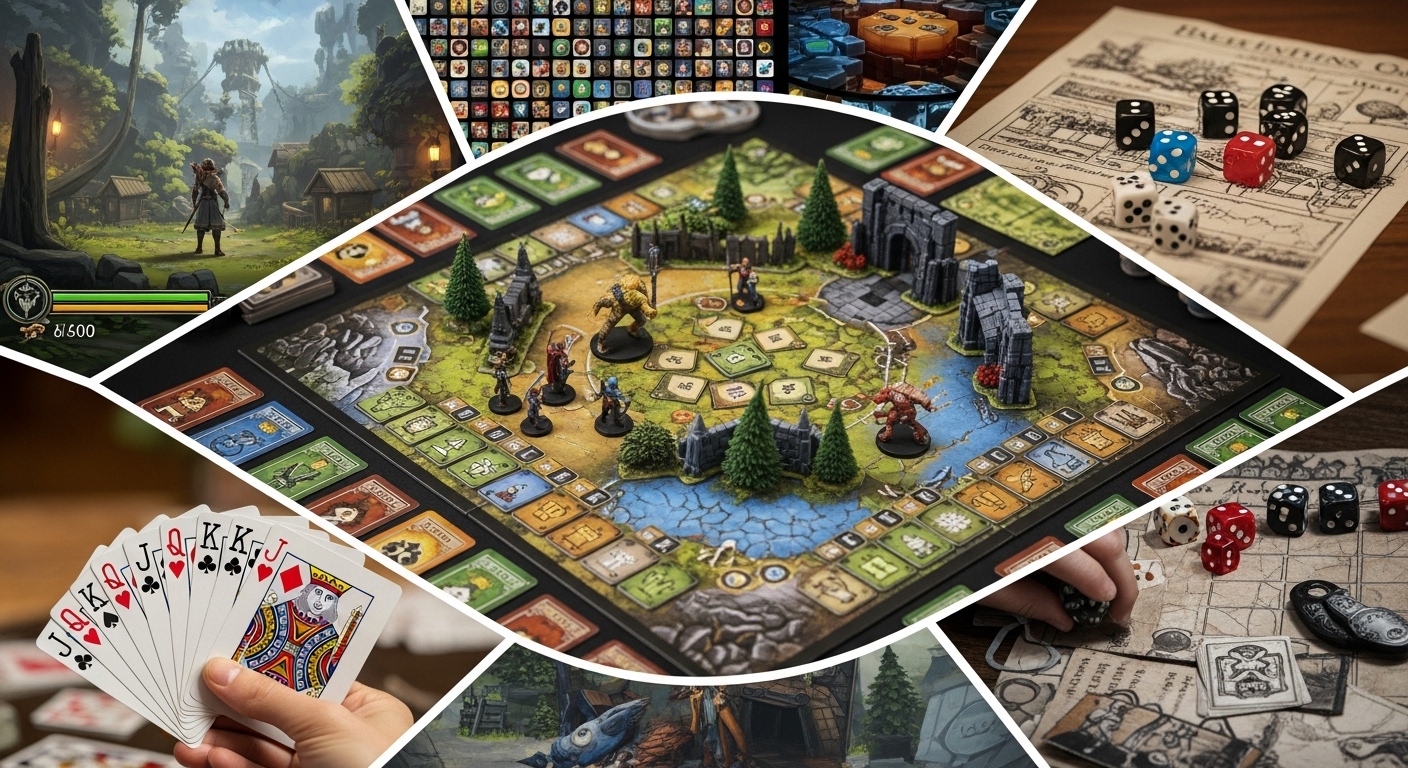
The modern era brought a dramatic shift with the introduction of digital technology. Video games transformed play into an interactive experience, blending storytelling, art, and technology. What began as simple pixel-based games has grown into vast digital worlds filled with complex narratives and realistic environments. This evolution highlights humanity’s constant desire to innovate how we play and connect.
Games and Mental Development
One of the most significant benefits of games lies in mental development. Many games require players to think critically, analyze situations, and make decisions under pressure. Strategy games challenge logical reasoning and long-term planning, while puzzle games enhance problem-solving abilities. Even fast-paced games improve reaction time, focus, and coordination.
Games also promote creativity. Open-ended games allow players to experiment, build, and imagine without rigid rules. This freedom encourages innovative thinking and adaptability. For children, games can support learning by making complex concepts more engaging. For adults, games keep the mind active, helping maintain cognitive flexibility and mental sharpness over time.
Emotional Benefits of Playing Games
Games are powerful tools for emotional expression and regulation. Playing games can reduce stress by providing an escape from daily pressures. Immersive gameplay allows players to temporarily step away from real-world concerns and focus on achievable goals. Completing challenges and progressing through levels creates a sense of accomplishment, boosting confidence and motivation.
Story-driven games also allow players to experience a wide range of emotions. Through characters and narratives, players explore themes of loss, hope, courage, and resilience. This emotional engagement can increase empathy and self-awareness. Games offer a safe environment to experience failure, learn from mistakes, and try again, which mirrors real-life emotional growth.
Social Connection Through Games
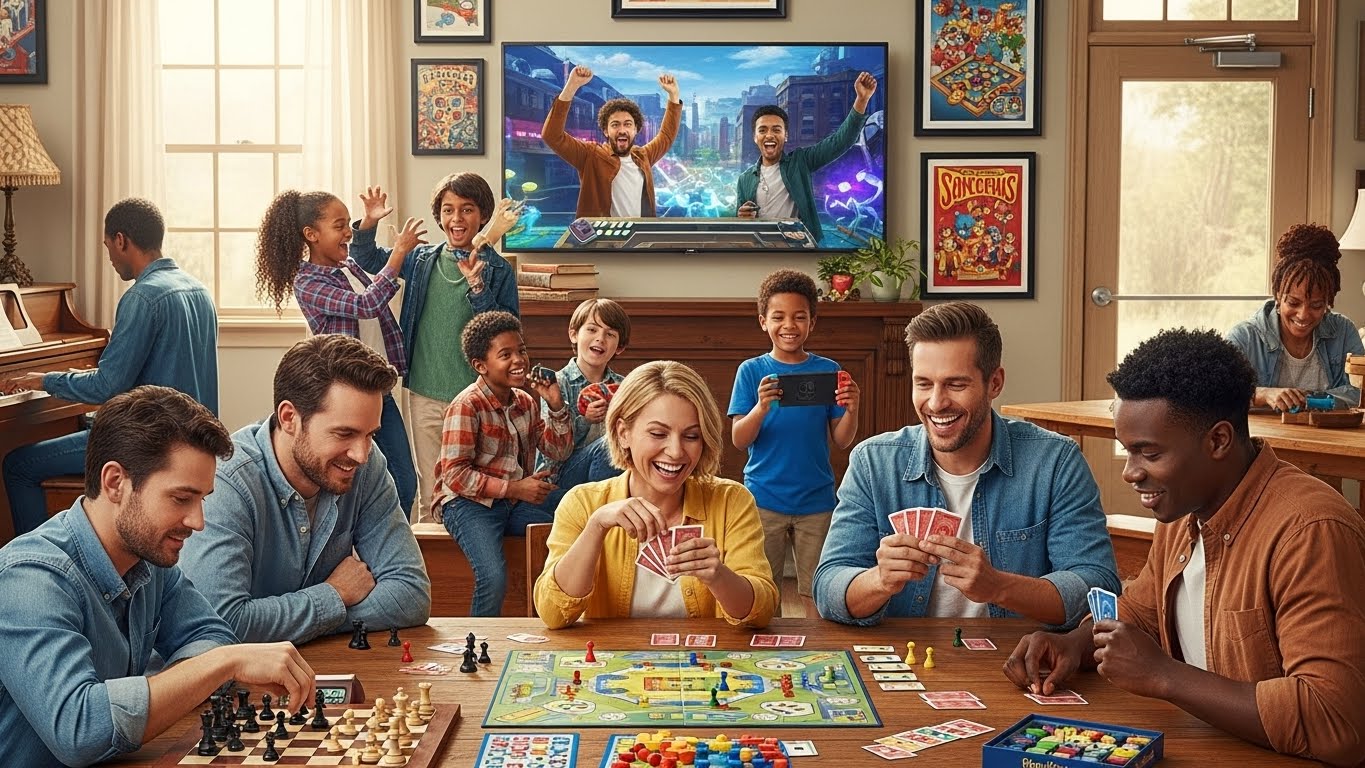
Games have always been social in nature. Traditional games brought families and communities together, creating shared experiences and friendly competition. Modern games have expanded this social aspect on a global scale. Multiplayer games allow people from different backgrounds to interact, collaborate, and compete in real time.
Through teamwork and communication, players develop social skills such as cooperation, leadership, and conflict resolution. Online communities form around shared interests, offering players a sense of belonging. For individuals who may struggle with face-to-face interaction, games provide an alternative way to connect and express themselves. In this way, games act as bridges that bring people together across physical and cultural boundaries.
Games as a Learning Tool
The educational potential of games is increasingly recognized. Games make learning interactive, engaging, and memorable. Educational games turn lessons into challenges, encouraging curiosity and active participation. Instead of passively absorbing information, players learn by doing, experimenting, and solving problems.
Games also teach valuable life skills beyond academics. Resource management, time management, teamwork, and strategic planning are often embedded in gameplay. Simulation games allow players to explore real-world systems in a controlled environment, helping them understand cause and effect. By combining learning with enjoyment, games create powerful educational experiences that traditional methods may struggle to achieve.
Cultural Influence of Games
Games reflect the cultures in which they are created. Traditional games often carry historical significance, preserving customs and traditions across generations. Modern games continue this trend by exploring cultural themes, moral choices, and social issues. Through storytelling and design, games communicate ideas about identity, justice, and human values.
Gaming culture itself has become a global phenomenon. Language, fashion, music, and art inspired by games influence popular culture. Events, competitions, and fan communities celebrate gaming as a shared cultural experience. As games travel across borders, they promote cultural exchange and understanding, allowing players to experience stories and perspectives different from their own.
Games and the Modern Economy
The gaming industry has grown into a major economic force. It supports millions of jobs across development, design, marketing, and competitive play. Independent creators and large studios alike contribute to a constantly expanding market. Competitive gaming has transformed play into a profession, with players training rigorously to perform at high levels.
Beyond direct employment, games influence technology, media, and entertainment industries. Innovation in graphics, artificial intelligence, and user interaction often begins in gaming before spreading to other fields. This economic impact demonstrates that games are not only cultural products but also drivers of technological and financial growth.
Balancing Games and Responsibility
While games offer many benefits, balance is essential. Excessive play can interfere with responsibilities, relationships, and health if not managed wisely. Healthy gaming habits involve setting limits, choosing meaningful content, and integrating play into a balanced lifestyle.
When approached responsibly, games enhance life rather than replace it. They become tools for relaxation, learning, and connection without overwhelming other priorities. Understanding the importance of moderation allows players to enjoy the positive aspects of gaming while avoiding potential drawbacks.
The Future of Games
The future of games promises even greater innovation. Advances in technology will create more immersive, interactive, and personalized experiences. Games may increasingly blend physical and digital realities, offering new ways to play and learn. Artificial intelligence will likely enhance storytelling and adaptability, making games more responsive to individual choices.
Beyond entertainment, games will continue expanding into education, healthcare, and professional training. Their ability to simulate experiences and motivate engagement makes them valuable tools across many fields. As society evolves, games will remain a dynamic force shaping how humans interact with technology and each other.
Conclusion: Embracing the Power of Play
Games are far more than a way to pass time. They are expressions of creativity, tools for learning, and platforms for connection. From ancient traditions to modern digital worlds, games reflect humanity’s desire to challenge itself, tell stories, and build relationships. They shape minds, influence culture, and bring people together in meaningful ways.
As games continue to evolve, their role in human life will only grow stronger. By embracing games thoughtfully and responsibly, we can unlock their full potential as sources of joy, growth, and understanding. In a world that often feels complex and demanding, games remind us of the importance of play, imagination, and shared experience.