
Games have been an integral part of human culture for centuries, evolving from simple physical activities to highly immersive digital experiences. Today, gaming is not just a pastime—it is a thriving industry, a social platform, and a creative outlet that brings people together across the globe.
The Evolution of Games
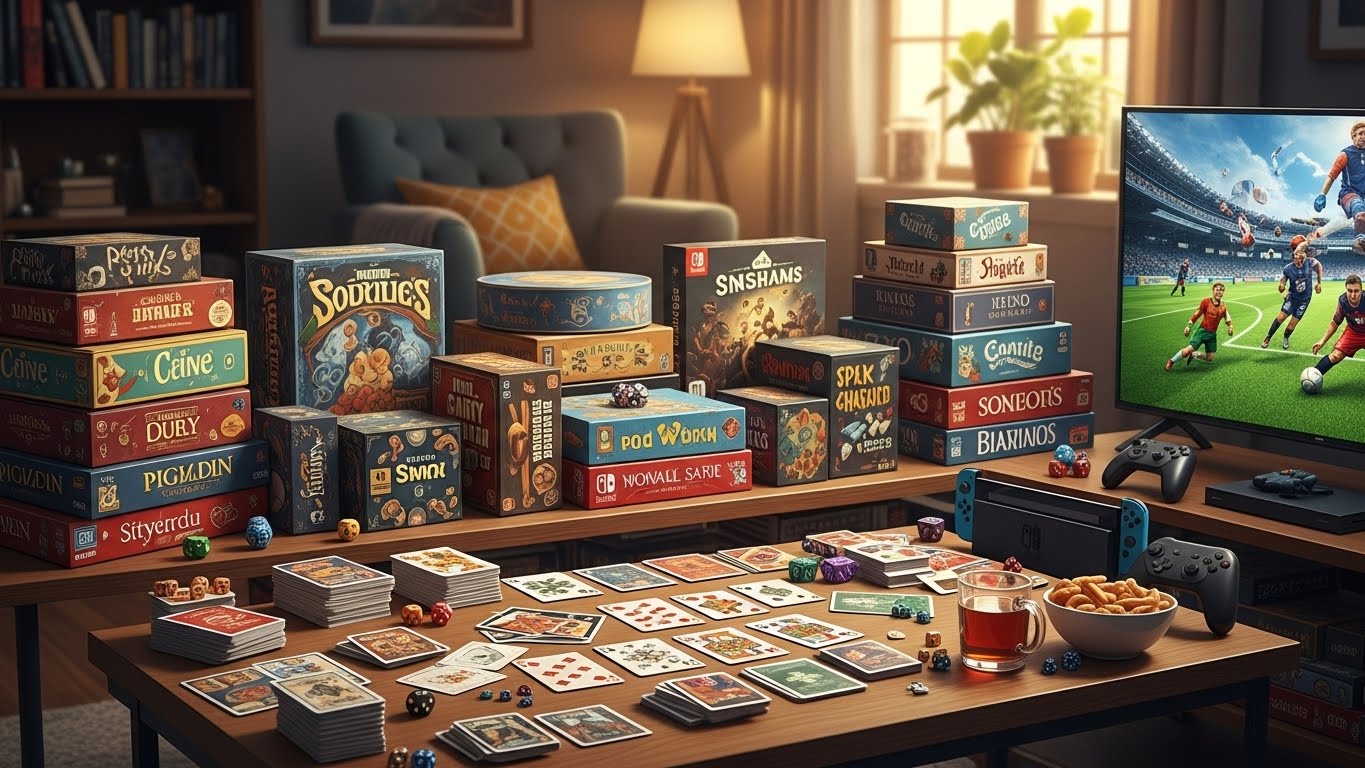
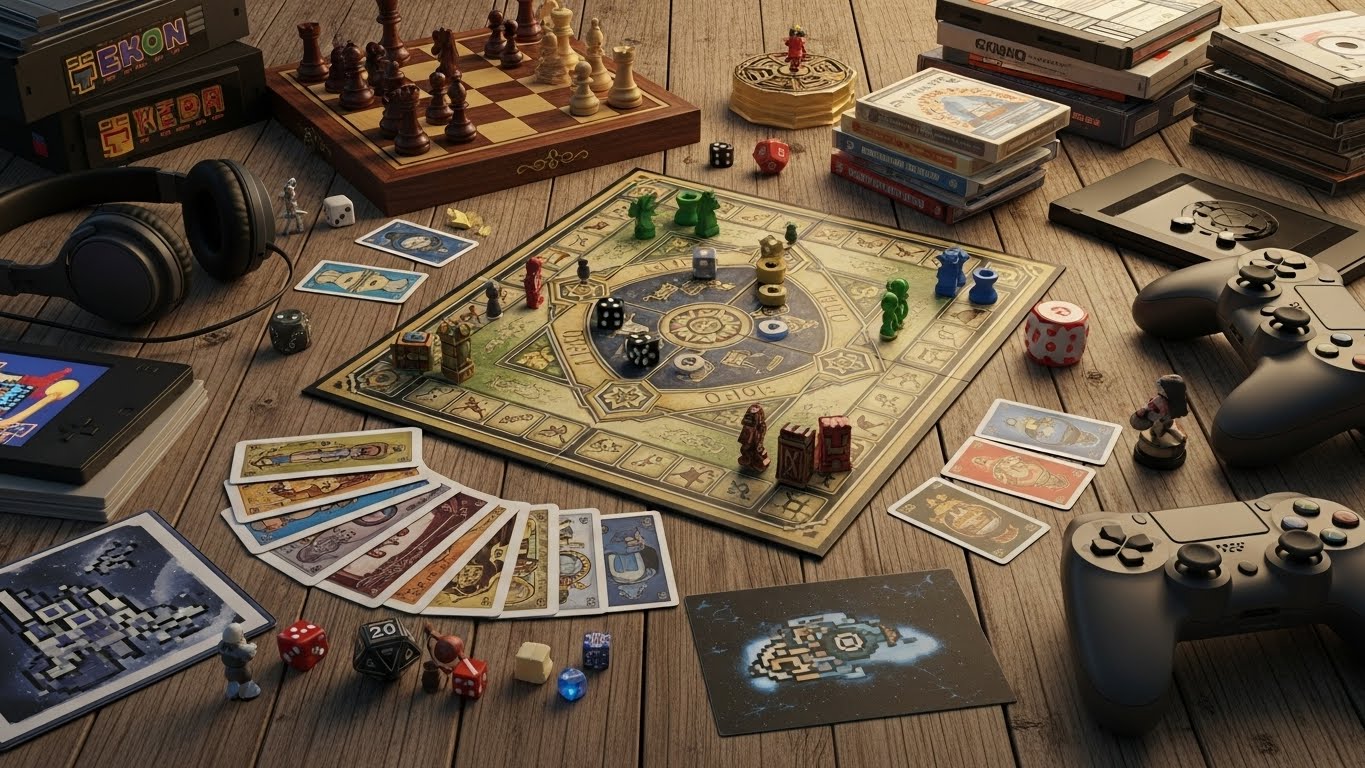
From board games like chess and Monopoly to modern video games, the concept of gaming has continually transformed. Traditional games focused on strategy, skill, and social interaction, while digital games introduced new dimensions such as immersive storytelling, virtual worlds, and multiplayer connectivity. This evolution reflects how technology has influenced the way we play and engage with games.
Types of Games
Video Games
Video games dominate the modern gaming landscape. They range from action-packed shooters and role-playing adventures to simulation games and puzzle challenges. Video games not only provide entertainment but also enhance skills like problem-solving, reflexes, and strategic thinking.
Mobile Games
Mobile gaming has skyrocketed in popularity due to its accessibility. Smartphones and tablets allow players to enjoy games anytime and anywhere. Mobile games often feature short, engaging sessions that appeal to casual gamers, while some offer complex challenges that rival traditional console games.
Board and Card Games
Despite the digital revolution, board and card games remain popular. They provide face-to-face interaction and social bonding, making them ideal for family gatherings and social events. Games like Settlers of Catan, Uno, and Scrabble continue to captivate players of all ages.
eSports and Competitive Gaming
eSports has transformed gaming into a professional sport. Competitive tournaments for games like League of Legends, Dota 2, and Fortnite attract millions of viewers and players worldwide. eSports combines skill, strategy, and teamwork, offering opportunities for gamers to pursue careers as professional players, coaches, or content creators.
The Impact of Games
Games are more than entertainment—they influence culture, education, and social interaction. Educational games teach problem-solving, critical thinking, and creativity. Social games help players build communities, form friendships, and even collaborate on challenges across continents. Games also serve as a medium for storytelling, art, and immersive experiences that transport players into new worlds.
Technology Driving Gaming Innovation
Modern gaming thrives on technological advancements. Virtual reality (VR) and augmented reality (AR) offer immersive experiences that blur the line between reality and digital worlds. Artificial intelligence (AI) creates dynamic game environments that adapt to player behavior. Cloud gaming allows players to access high-quality games without expensive hardware, making gaming more accessible than ever.
Benefits of Gaming
- Cognitive Skills: Games enhance memory, problem-solving, and decision-making.
- Social Connection: Multiplayer games foster teamwork, communication, and friendships.
- Stress Relief: Engaging in games provides relaxation and mental breaks.
- Creativity: Many games encourage imaginative thinking and strategy development.
Challenges in Gaming
Despite its many benefits, gaming has challenges, including screen time management, online safety, and balancing gaming with real-life responsibilities. Awareness and responsible gaming practices are essential to ensure a healthy and enjoyable experience.
The Future of Gaming
The future of gaming is bright and limitless. Innovations in VR, AR, AI, and cloud technology will continue to reshape the gaming landscape. As gaming becomes more immersive, interactive, and accessible, it will remain a central part of entertainment, education, and social connection for generations to come.
Conclusion
Games have evolved far beyond simple entertainment, becoming a powerful force that connects, challenges, and inspires. Whether on a console, mobile device, or around a table, games offer unique experiences that entertain, educate, and unite players worldwide. In the dynamic world of gaming, the only limit is imagination.