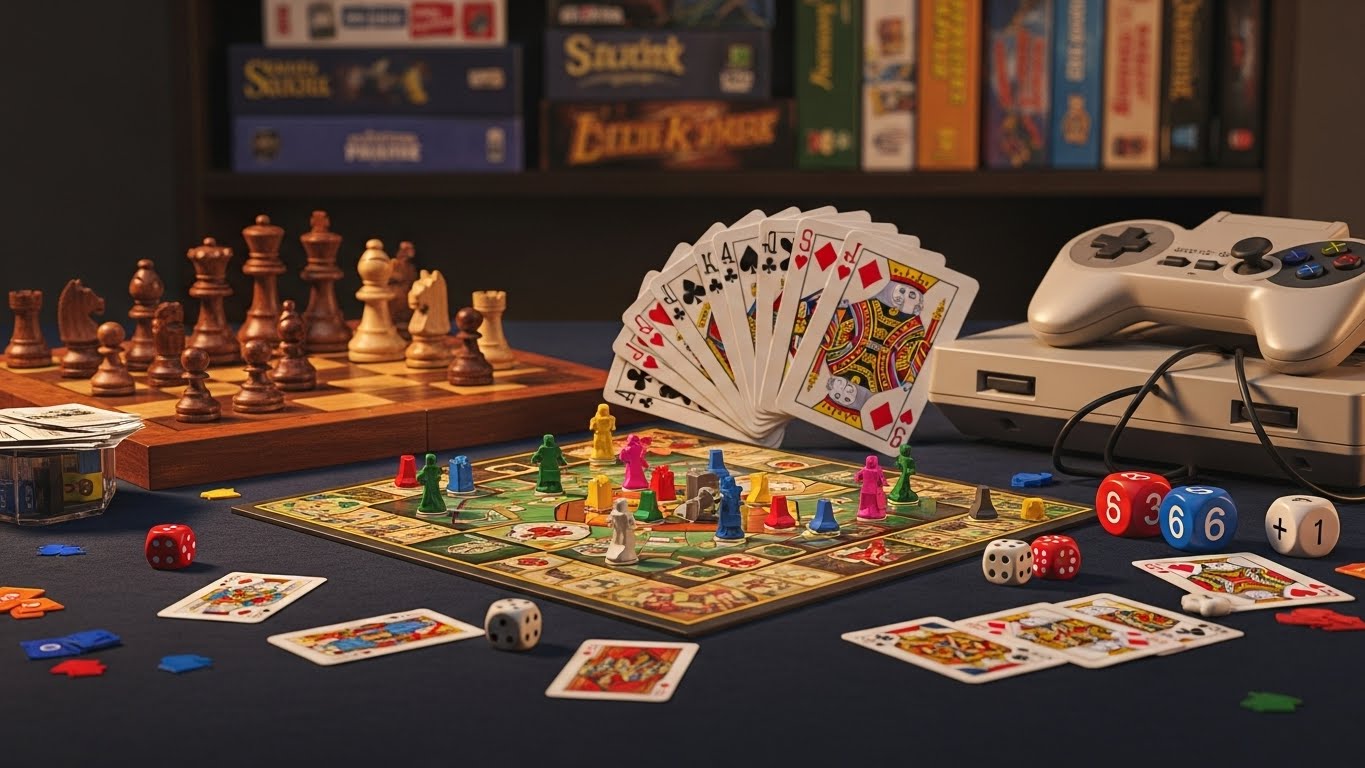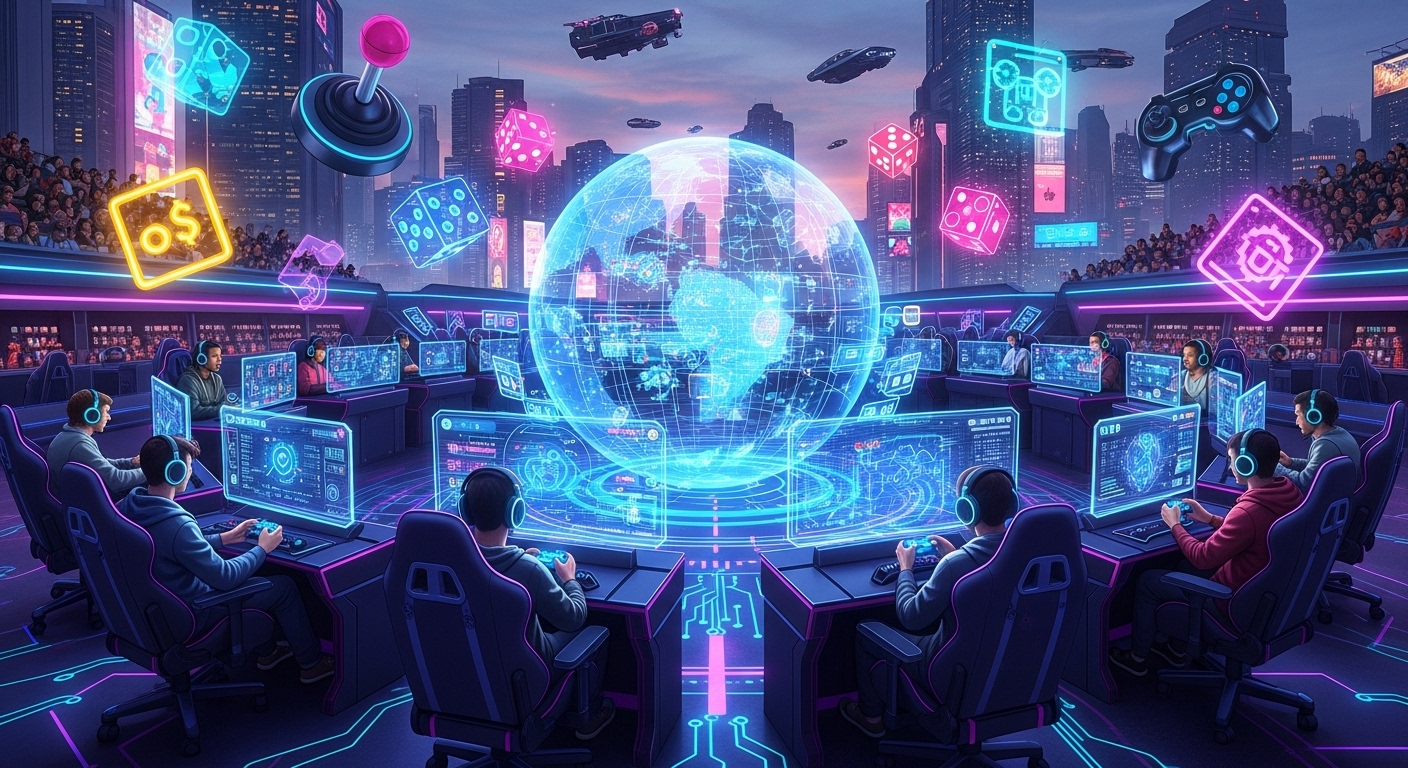
Games have been part of human civilization since the beginning of time. Whether they were played on dusty grounds under the open sky, carved on ancient stone boards, or rendered on high-definition screens, games have always captured the essence of human curiosity and competition. They are more than entertainment; they are a reflection of our creativity, intelligence, and social interaction. In today’s world, games have evolved into a vast universe that encompasses physical sports, digital adventures, puzzles, and virtual realities. This blog explores the world of games in its many forms, their impact on individuals and society, and the ways they shape our understanding of fun, learning, and innovation.
The Ancient Roots of Gaming
The concept of gaming is far older than one might imagine. Thousands of years ago, ancient civilizations created games as both recreation and ritual. In ancient Egypt, the game of Senet was not only a pastime but also a reflection of spiritual beliefs about the afterlife. The Mayans had their own ceremonial ball games that combined sport with religious significance. In China, Go and Xiangqi (Chinese Chess) became symbols of strategic thinking and intellectual mastery.
These early games were more than just diversions. They taught skills like patience, decision-making, and teamwork. Even board games in ancient times served as mental exercises that helped people sharpen their logical and creative thinking. They also built community, as people gathered to compete, share stories, and celebrate victories together.
The Evolution of Physical Games
As time progressed, physical games took many shapes across cultures. Sports like wrestling, running, and throwing were popular in ancient Greece and became the foundation of the Olympic Games. In medieval Europe, knights engaged in jousting tournaments to display their courage and strength. In the East, martial arts evolved into both self-defense techniques and disciplined forms of physical expression.
Modern sports like football, cricket, basketball, and tennis have continued this tradition of athletic competition. Each sport has its own rhythm, rules, and style that reflect the spirit of the people who play it. The universal appeal of sports lies in their ability to unite people from different backgrounds through shared enthusiasm. Whether it’s a village cricket match or the FIFA World Cup, games have a way of transcending boundaries and languages.
Physical games also promote teamwork, discipline, and resilience. Athletes train their bodies and minds to achieve peak performance, learning valuable lessons in perseverance and humility. Beyond professional arenas, everyday people play games for health, joy, and social connection. A simple neighborhood football match can be just as thrilling as an international tournament, because the essence of gaming lies in participation, not just victory.
The Rise of Digital Games
With the arrival of computers and technology, a new era of gaming was born. The 20th century witnessed a revolution that took games from playgrounds to screens. The first video games like Pong and Space Invaders seemed simple by today’s standards, but they sparked a cultural transformation. Suddenly, entertainment was not limited to physical spaces; it could exist in pixels, code, and imagination.
As technology advanced, so did the complexity and creativity of games. The 1980s and 1990s introduced consoles like the Nintendo Entertainment System, Sega Genesis, and PlayStation, which brought gaming into living rooms around the world. Players could explore vast worlds, control characters, and experience interactive storytelling like never before.
Today, gaming has expanded into an enormous industry that includes mobile, console, and PC gaming. Online multiplayer games connect millions of people worldwide, creating digital communities where teamwork, competition, and friendship thrive. Genres like action, strategy, simulation, and role-playing offer experiences tailored to every interest and personality.
The Psychology Behind Playing Games
Games tap into deep psychological needs and instincts. Humans are naturally driven by challenge, curiosity, and the desire for mastery. Games provide structured environments where players can test their skills, take risks, and experience reward. The satisfaction of completing a level, winning a match, or solving a puzzle triggers positive emotions and motivates players to continue.
This motivation is not just about winning; it’s about progress and discovery. Games create a balance between difficulty and skill, known as “flow.” When players are fully immersed in a game, they lose track of time and feel completely engaged. This state of flow is what makes games so addictive and fulfilling.
Moreover, games often simulate real-life experiences and teach problem-solving, resource management, and decision-making. Strategy games enhance analytical thinking, while creative games like Minecraft inspire imagination and planning. Even seemingly simple mobile games can improve memory, focus, and hand-eye coordination.
Games as Tools for Learning
In the modern world, games are increasingly recognized as powerful educational tools. Educational games combine fun with learning, transforming traditional classroom experiences into interactive journeys. They can teach subjects like mathematics, language, history, and science in ways that engage and motivate students.
For example, simulation games allow players to manage cities, ecosystems, or businesses, teaching them the consequences of their decisions. Puzzle games enhance logical thinking, while storytelling games improve reading comprehension and empathy. By turning learning into play, educational games make knowledge more accessible and memorable.
Teachers and developers are now working together to integrate game-based learning into education systems. This approach not only increases participation but also fosters creativity and collaboration among students. The classroom of the future might not rely solely on textbooks but on digital experiences that encourage exploration and innovation.
The Social Dimension of Gaming
One of the most beautiful aspects of games is their ability to bring people together. In ancient times, board games and sports created social gatherings. Today, online multiplayer games allow people from across the globe to collaborate and compete in real time.
Gaming communities have grown into massive social networks where friendships are formed and teamwork is celebrated. Players share strategies, stories, and achievements, creating a sense of belonging. Esports tournaments draw millions of viewers, blurring the line between players and spectators.
However, gaming’s social aspect is not limited to competition. Cooperative games encourage empathy, communication, and teamwork. Players learn to trust and support one another to achieve common goals. This digital cooperation reflects values that are important in the real world, showing how virtual spaces can promote social learning and unity.
The Art of Game Design
Behind every great game is a blend of art, science, and storytelling. Game designers are like architects of imagination. They build worlds, create rules, and design experiences that challenge and delight players. Every visual element, sound effect, and storyline is crafted to evoke emotion and engagement.
Game design requires collaboration between artists, programmers, writers, and musicians. Together, they transform ideas into living, breathing universes. The best games tell stories that resonate deeply with players, often exploring themes of heroism, loss, hope, and discovery.
A well-designed game balances challenge and reward, freedom and guidance. It gives players a sense of control while keeping them curious about what lies ahead. This harmony between structure and creativity is what makes games both entertaining and meaningful.
The Growth of Esports
In recent decades, esports has emerged as one of the most dynamic phenomena in modern culture. Competitive gaming has evolved into a professional industry with players, teams, sponsors, and fans worldwide. Games like Dota 2, League of Legends, and Counter-Strike have become arenas where skill, strategy, and teamwork are celebrated on a global stage.
Esports tournaments fill stadiums, with millions watching live broadcasts. Players train for hours, much like traditional athletes, honing reflexes, coordination, and communication. The rise of esports has not only created new career opportunities but also reshaped perceptions of gaming as a serious discipline.
Esports represents the perfect blend of entertainment and technology. It showcases how digital competition can unite people across cultures and inspire a new generation of gamers who see gaming as both a passion and a profession.
The Influence of Mobile Gaming
The invention of smartphones revolutionized gaming accessibility. No longer confined to consoles or computers, games became available to anyone with a mobile device. Mobile gaming now reaches billions of players, from children enjoying puzzle games to adults engaging in competitive online matches.
Mobile games are designed for quick entertainment but often feature depth and strategy. They have become a major part of modern life, filling moments of waiting or relaxation with joy and creativity. This widespread accessibility has made gaming one of the most inclusive forms of entertainment in history.
The Impact of Games on Society
Games influence society in many ways. They inspire creativity, strengthen communities, and even raise awareness about social issues. Some games highlight environmental challenges, historical events, or moral dilemmas, encouraging players to think critically about the world around them.
Moreover, gaming has become a major economic force. The industry generates billions in revenue annually and provides employment for developers, artists, voice actors, and content creators. It also drives innovation in fields like artificial intelligence, virtual reality, and digital art.
However, gaming also faces challenges. Concerns about addiction, excessive screen time, and online toxicity remain important topics of discussion. Responsible gaming practices and parental guidance are essential to ensure that games remain positive and enriching experiences.
The Future of Gaming
As technology advances, the future of gaming looks limitless. Virtual reality, augmented reality, and artificial intelligence are opening new dimensions of immersion. Players can now step inside their games, experiencing stories from a first-person perspective. AI-driven characters and adaptive worlds create dynamic gameplay that responds uniquely to each player’s actions.
The boundary between reality and virtual worlds continues to blur. Metaverse platforms are transforming how people socialize, work, and play. Games may soon become integrated into daily life in ways we can hardly imagine. From fitness games that track real movements to educational simulations that teach life skills, the possibilities are endless.
Sustainability and inclusivity are also shaping the future of gaming. Developers are focusing on creating games that are environmentally conscious and accessible to all, regardless of ability or background. The next era of gaming will likely be more connected, creative, and compassionate than ever before.
The Timeless Spirit of Play
At its core, gaming is about joy. It’s about curiosity, discovery, and the human need to play. Whether in the streets, on the screen, or in virtual worlds, games bring out the best in us. They teach us to adapt, to think strategically, and to dream without limits.
From the earliest dice carved from bones to the most advanced virtual simulations, games have always reflected who we are as humans—competitive yet collaborative, imaginative yet logical. They connect generations and cultures, reminding us that play is a universal language of expression and connection.
Conclusion
Games are not just hobbies or distractions. They are living stories, mental workouts, and bridges between people and ideas. They embody creativity, technology, and emotion all at once. The world of games continues to evolve, but its essence remains unchanged—the pursuit of challenge, fun, and imagination.
As we look toward the future, it becomes clear that games will continue to shape how we learn, communicate, and dream. They remind us that even in a complex and fast-moving world, there will always be space for play, laughter, and the joy of the game itself.