
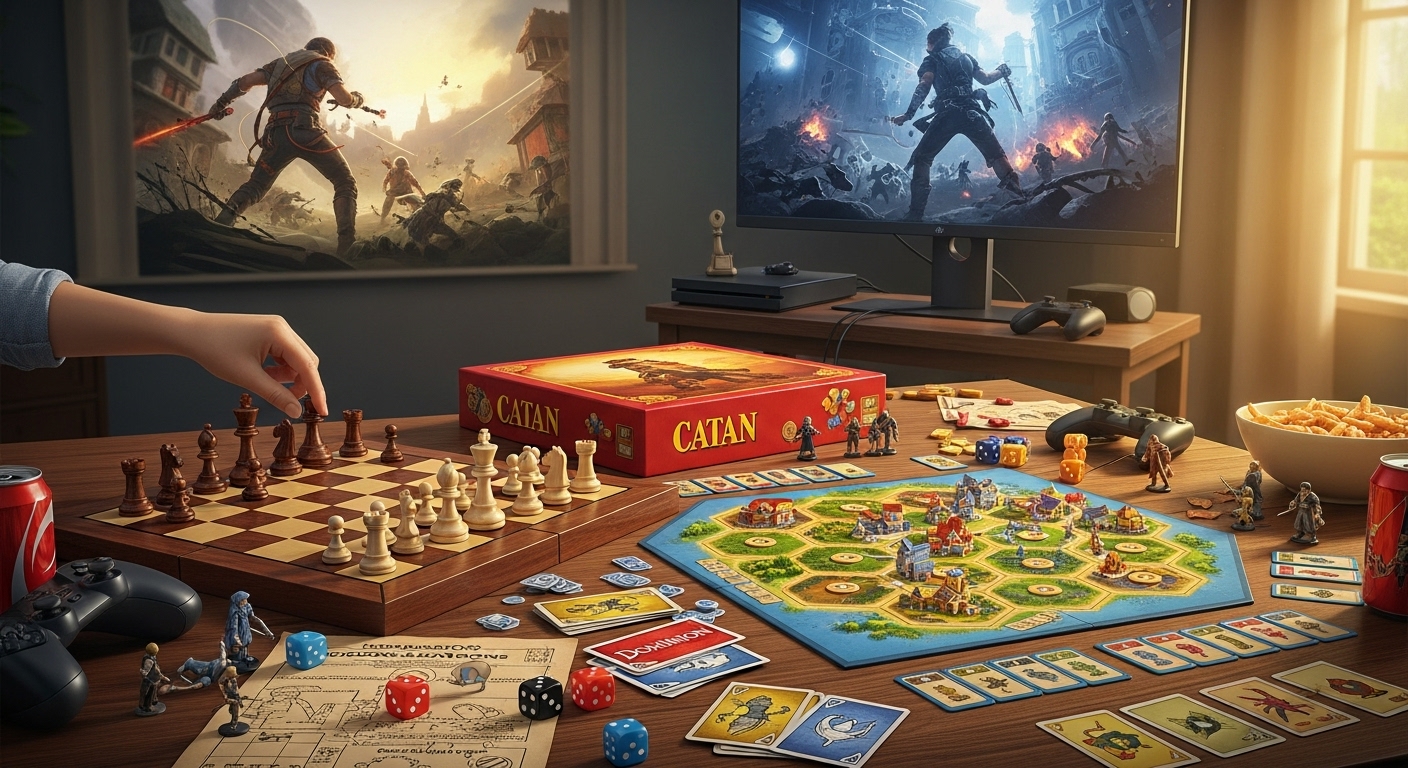
Games have been a central part of human entertainment for decades, evolving from simple pastimes to complex, immersive experiences. While many games follow conventional structures—levels, scores, and standard mechanics—some titles dare to push boundaries, offering players entirely unique experiences. These games challenge expectations, evoke deep emotions, and explore concepts beyond ordinary gameplay. In this blog, we will examine what makes certain games extraordinary, exploring mechanics, storytelling, art, and the emotional resonance that sets them apart.
The Evolution of Gaming
Understanding unique games requires a glance at how game design has evolved over time. Early video games prioritized challenge and high scores. Titles were simple, often focusing on player reflexes and memorization. The world of arcade cabinets and pixelated adventures captivated audiences, but it rarely ventured beyond predictable structures.
With technological advancements and changing player expectations, developers began experimenting. Narrative-driven games emerged, mechanics became more sophisticated, and worlds grew richer. Player choices started affecting the story, procedural generation allowed infinite possibilities, and immersive simulations created living worlds. This evolution paved the way for games that prioritize creativity, emotion, and unconventional experiences over purely competitive gameplay.
Surreal Worlds and Imaginative Landscapes
Unique games often transport players into surreal worlds where reality as we know it does not apply. These games use imaginative landscapes, dreamlike environments, and abstract designs to create experiences that captivate the senses. Colors, sound, and environment all work together to immerse players fully, encouraging exploration and curiosity.
In these worlds, the environment itself becomes a narrative device. Hidden clues, mysterious landscapes, and evolving spaces communicate stories without words. Players are invited to interact, experiment, and uncover secrets, creating a sense of discovery that traditional games rarely achieve. The surreal nature of these games stimulates the imagination, making every session feel like an adventure into the unknown.
Innovative Mechanics That Challenge Players
While visuals and storylines are important, gameplay mechanics define a game’s uniqueness. Innovative mechanics can take simple ideas and transform them into extraordinary experiences. Some games manipulate physics, alter time, or challenge players with unconventional controls. Others require indirect management of characters or the environment, pushing players to approach problems creatively.
The best unique games surprise players with unexpected interactions. For instance, mechanics may allow players to manipulate space, reverse events, or influence the game world in nontraditional ways. These mechanics not only challenge skill but also encourage experimentation, curiosity, and problem-solving. Players often feel a sense of triumph and wonder when mastering such innovative systems.
Storytelling Beyond Words
Many unique games tell stories without relying on dialogue, text, or cutscenes. Environmental storytelling, symbolism, and emergent gameplay allow players to uncover narratives in subtle and engaging ways. This approach turns players into active participants, piecing together the plot through observation and interaction.
The absence of explicit storytelling can create a deeper emotional connection. Players interpret events in their own way, crafting personal narratives from their experiences. Additionally, some games adapt dynamically to player choices or in-game events, ensuring that every playthrough feels distinct. This method creates a sense of ownership and engagement that resonates long after the game is completed.
Emotional Depth in Gameplay
One of the most remarkable aspects of unique games is their ability to evoke genuine emotion. These games often explore themes rarely seen in mainstream titles, such as identity, mortality, mental health, and relationships. By integrating these themes into gameplay, players experience emotions through actions rather than passive observation.
For example, games may react to a player’s decisions, challenge moral assumptions, or create situations that inspire empathy. This form of interaction fosters a personal connection between the player and the game world. Players are not just entertained—they are encouraged to reflect on their own thoughts and emotions, making these experiences deeply impactful.
The Role of Art in Unique Games
Artistic design is central to many innovative games. Unlike mainstream titles that may prioritize realism or flashy graphics, unique games often explore abstract, minimalistic, or hand-drawn aesthetics. These artistic choices contribute to mood, atmosphere, and immersion.
Sound design is equally important. Music, ambient noise, and interactive audio can adapt to player actions, enhancing emotion and engagement. The synergy between art, sound, and gameplay turns a game into an expressive medium that communicates feelings and ideas in ways other forms of entertainment cannot.
Player Interaction and Engagement
Unique games frequently redefine how players interact with the game world. Traditional controls may be replaced with gestures, motion, or innovative input methods. Some games emphasize collaboration, creativity, or experimentation, allowing players to shape their own experience.
Community interaction often becomes a significant aspect of these games. Players share discoveries, interpret hidden messages, or create content that expands the game world. This engagement transforms games from static experiences into dynamic, evolving ecosystems that thrive on player creativity and participation.
Examples of Games That Defy Convention
Many games exemplify this approach to innovation. Some immerse players in abstract, surreal worlds where exploration and observation are key. Others challenge conventional mechanics, offering entirely new ways to interact with characters or the environment. Certain titles embrace minimalism to deliver profound narrative and emotional experiences, proving that innovation does not always require complexity.
What unites these games is their ability to surprise and engage. They encourage players to think differently, experiment, and embrace curiosity. Each game offers a unique perspective, reminding players that the medium of gaming is limitless in its potential.
Challenges of Creating Unique Games
Creating truly innovative games comes with risks. Unconventional mechanics, abstract narratives, or experimental visuals may confuse or alienate mainstream audiences. Developers must balance creativity with accessibility, ensuring that players can still engage meaningfully with the experience.
Financial risk is also a factor. Unique games may struggle in a market dominated by familiar franchises. However, the rewards can be significant. Many innovative titles achieve cult status, inspire future developers, and influence the broader industry. These games prove that creativity and risk-taking are essential for the evolution of gaming.
The Future of Gaming Innovation
The future of unique games is bright, fueled by advances in technology and evolving player expectations. Virtual reality, augmented reality, artificial intelligence, and procedural generation offer new opportunities for creativity. Players increasingly seek experiences that challenge norms, evoke emotion, and allow exploration beyond traditional gameplay.
As the industry matures, unique games will continue to define what gaming can be. Developers who embrace experimentation and innovation will create experiences that are not only entertaining but also meaningful, thought-provoking, and emotionally resonant.
Conclusion
Unique games remind us that gaming is more than a pastime—it is a medium for creativity, emotion, and intellectual exploration. By breaking away from traditional mechanics, experimenting with storytelling, and embracing artistic innovation, these games offer experiences that are memorable, immersive, and transformative.
Whether navigating surreal worlds, mastering unconventional mechanics, or engaging with stories that provoke deep thought, players are invited to expand their imagination and perspective. In a landscape filled with familiar formulas, unique games stand out as a testament to the limitless possibilities of play, creativity, and human expression.