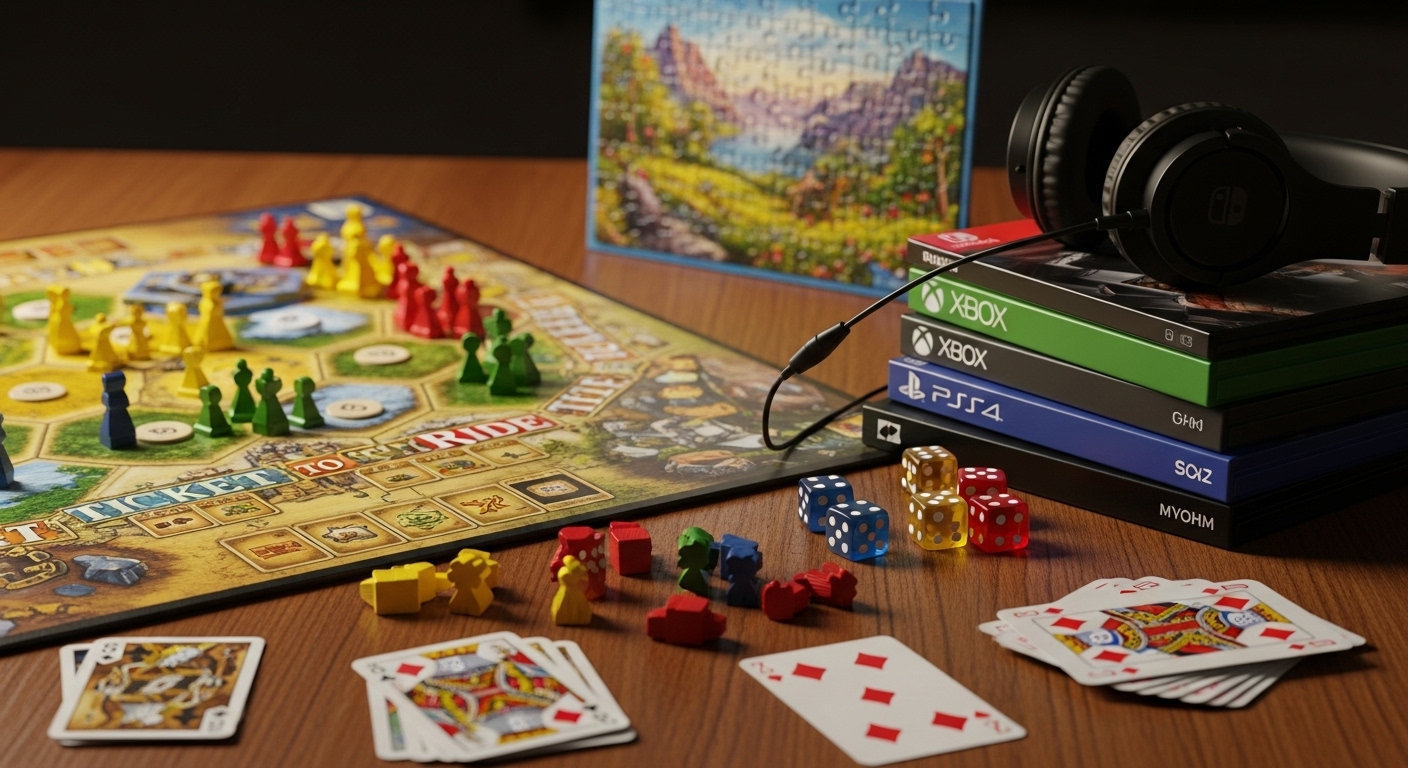

In the fast-paced world of gaming, creativity knows no bounds. As developers push the envelope of technology, gameplay mechanics, and narratives, a growing trend has emerged: games with titles that defy expectations. These titles often reflect the originality and uniqueness of the games themselves, offering players not just a gaming experience but a glimpse into the artistic and inventive potential of the gaming industry. In this blog post, we will explore several games that stand out due to their unusual or unconventional titles, and dive into what makes these games so compelling and unique.
The Power of a Unique Title
Before we delve into specific games, it’s important to consider the role of a title. In the crowded world of gaming, where hundreds of new games are released every month, a title is often the first thing that grabs a player’s attention. It serves as an introduction to the game, evoking curiosity, intrigue, or excitement. A unique or quirky title can be a powerful tool to distinguish a game in a sea of competition.
Moreover, a distinctive title can hint at the game’s underlying themes, tone, or mechanics, giving players a sense of what they are about to experience. It’s a way of saying, “This game is different, and we are proud of it.” The more unconventional the title, the more it signals a break from the traditional gaming norms.
Now, let’s take a look at some games with truly unique titles that push boundaries and redefine the way we think about video games.
1. “What the Box?”
The title alone is enough to spark curiosity, right? “What the Box?” is a deceptively simple game that takes the concept of hide-and-seek to the next level. The premise is straightforward: you are a cardboard box, and you must avoid being detected by other players while trying to blend in with the environment. It’s essentially a multiplayer hide-and-seek game, but with the twist of being a box.
What makes “What the Box?” so unique isn’t just the oddity of playing as a box but the way it incorporates humor and creativity into its mechanics. The game takes place in various environments, and players must navigate these areas, pretending to be everyday objects like boxes, to avoid detection. The bizarre nature of the title and the gameplay mechanics go hand in hand, making for an enjoyable, lighthearted experience.
The title “What the Box?” reflects the absurdity of the premise. It’s catchy, memorable, and playful, perfectly setting the tone for a game that doesn’t take itself too seriously. It’s an example of how the title of a game can set expectations and enhance the overall experience.
2. “Death Stranding”
While “Death Stranding” might seem like an odd title at first glance, its meaning and significance unfold as players delve into the game. Created by legendary game designer Hideo Kojima, “Death Stranding” is a highly experimental action-adventure game that explores themes of isolation, human connection, and the afterlife.
The title “Death Stranding” refers to a mysterious event in the game’s world, where unexplained phenomena called “Death Strands” have caused the world to fracture, leading to a post-apocalyptic setting. As players venture through this surreal world, they play as Sam Porter Bridges, a courier who delivers essential packages while navigating treacherous terrain and interacting with various strange characters.
What makes the title so unique is that it encapsulates the entire premise of the game, while also leaving much to the imagination. It evokes a sense of death and despair, yet also a glimmer of hope, as the protagonist’s journey involves reconnecting a broken world. The unconventional nature of the title mirrors the game’s own willingness to defy traditional gaming conventions, offering a truly unique experience.
3. “Katamari Damacy”
“Katamari Damacy” is one of the most memorable and bizarre games in the history of gaming, and its title is no exception. The name itself is a combination of Japanese words: “Katamari,” which means “clump” or “mass,” and “Damacy,” which means “ball” or “sphere.”
In “Katamari Damacy,” players take on the role of a tiny prince tasked with rolling a sticky ball, called a “katamari,” through various environments to collect objects and grow the ball in size. As the ball grows, it can pick up increasingly larger objects, from pencils to buildings and even entire cities. The game’s colorful, whimsical style, along with its quirky premise, has made it a cult classic.
The title “Katamari Damacy” is a perfect reflection of the game’s eccentric nature. It sounds playful, fun, and a little odd—just like the game itself. The unusual combination of words adds to the charm and intrigue, making it clear that this is not your typical video game.
4. “The Stanley Parable”
“The Stanley Parable” is a narrative-driven game that plays with the very concept of choice and free will in video games. In this game, you control Stanley, an office worker who discovers that his entire life has been controlled by a mysterious narrator. The narrator offers Stanley a series of choices, and the player can either follow or ignore the narrator’s instructions, leading to wildly different outcomes.
The title “The Stanley Parable” is both straightforward and enigmatic. The name “Stanley” makes it feel like the game is centered around a specific character, while “Parable” hints at deeper themes of morality, control, and the illusion of choice. The combination of these words sets the stage for an experience that is both thought-provoking and surreal, exploring the boundaries between player agency and narrative direction.
What makes the title truly unique is how it reflects the game’s own self-awareness. It’s not just a story about a character named Stanley—it’s a parable that invites players to reflect on the nature of storytelling itself.
5. “Hotline Miami”
“Hotline Miami” is a fast-paced, top-down action game set in 1980s Miami, known for its neon aesthetic, pulse-pounding soundtrack, and brutal combat mechanics. The game follows an unnamed protagonist as he carries out a series of violent missions, all while struggling with his own sense of identity and morality.
The title “Hotline Miami” is both catchy and mysterious. “Hotline” suggests a direct line or communication, which aligns with the game’s fast, urgent pace. “Miami” adds a sense of location and atmosphere, setting the game in a city known for its excess, vibrancy, and underworld dealings. The title gives players a sense of what to expect—a no-holds-barred, high-octane experience with a gritty, urban edge.
What makes “Hotline Miami” stand out, however, is how its title also reflects the disorienting and surreal tone of the game. The narrative doesn’t unfold in a straightforward manner, and the title hints at the dreamlike, often chaotic nature of the protagonist’s journey.
6. “Baba Is You”
“Baba Is You” is a puzzle game that takes the concept of game mechanics and flips it on its head. In the game, players manipulate the rules of the game world itself to solve puzzles. For example, the phrase “Baba is You” can be altered to change the behavior of the main character Baba or even the environment.
The title is intriguing because it’s both grammatically incorrect and conceptually rich. The simplicity of “Baba Is You” hides a deep, thought-provoking puzzle mechanic that challenges players to rethink how they approach problems. It’s a title that invites curiosity and exploration, perfectly fitting for a game that plays with language, logic, and game design itself.
What’s fascinating about “Baba Is You” is how its title mirrors the gameplay. Just as the player manipulates the rules of the game, the title itself feels like an open invitation to experiment, learn, and break the boundaries of conventional game design.
7. “Journey”
“Journey” is an emotionally evocative game that explores themes of companionship, exploration, and personal growth. Players take control of a robed figure traveling across a vast desert, aiming to reach a distant mountain. Along the way, they may encounter other players who are also on their own journey, but communication is minimal, creating a sense of isolation and wonder.
The title “Journey” might seem simple at first, but it perfectly encapsulates the essence of the game. It’s not about a destination; it’s about the experiences, emotions, and connections formed along the way. The game’s minimalist approach to storytelling and its focus on the journey rather than the destination give it a timeless, almost spiritual quality.
The title “Journey” reflects the game’s meditative and introspective tone, while also serving as a metaphor for the player’s own experience of self-discovery and connection.
Conclusion
The games discussed in this post exemplify how a unique title can shape a player’s expectations, enhance the overall experience, and reflect the game’s themes and mechanics. From the absurdity of “What the Box?” to the philosophical depth of “The Stanley Parable,” these titles are not just labels—they are integral to the identity of the games themselves.
In a world where titles can often be generic or forgettable, these games prove that a creative, memorable name can be a powerful storytelling tool. Whether it’s through humor, mystery, or thought-provoking themes, these titles invite players to step into worlds that are as unique as the names that define them. So, the next time you encounter a game with an unusual title, take a moment to appreciate the creativity behind it. You might just be about to embark on an unforgettable gaming adventure.