
Introduction to the Ever-Growing World of Games
Games have become an integral part of modern culture, transforming from simple pastimes into global phenomena that influence entertainment, technology, education, and social interaction. Whether digital or physical, solo or multiplayer, casual or competitive, games are woven into the lives of millions of people around the world. Today, they offer more than entertainment; they provide connection, creativity, and a sense of purpose.
This blog explores the evolution of games, the power they hold over modern life, their impact on creativity and mental development, and the future of gaming in an increasingly digital world. At around 1500 words, it provides a deeper understanding of why games matter more than ever.
The Evolution of Games Through Time
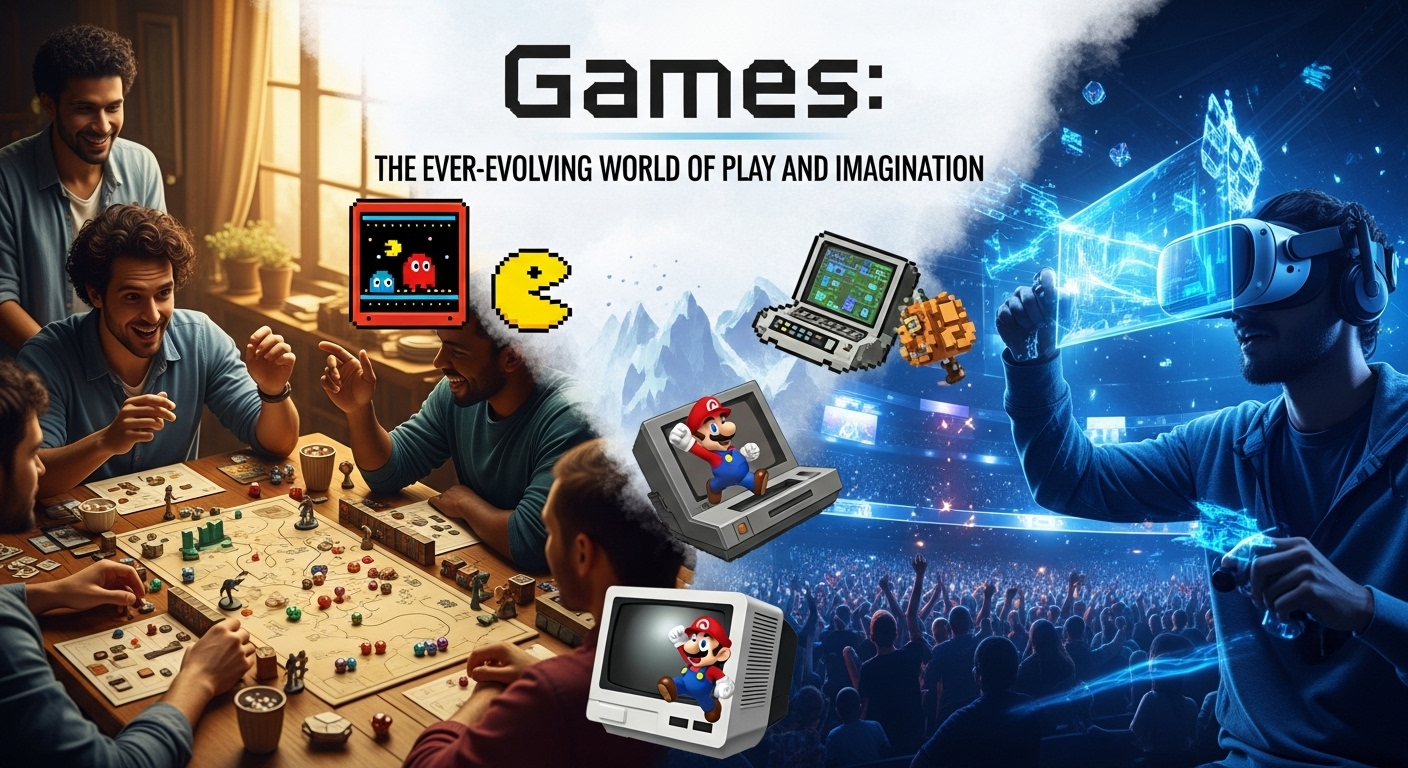
The history of games stretches back thousands of years. Ancient civilizations used games as a form of leisure, education, and even spiritual practice. From early board games carved into stone to elaborate card games of medieval times, gaming has always been part of human expression.
With the rise of technology, games entered a new era. The 20th century introduced electronic gaming, beginning with simple monochrome screens and evolving into immersive digital worlds. Today’s games offer stunning graphics, complex narratives, and interactive experiences that rival major films and books.
This evolution shows that games have always adapted to the culture and technology of their era. What once required basic tools can now be experienced through powerful computers, consoles, and mobile devices.
The Diversity of Games in the Modern Age
The world of games is vast and incredibly diverse. There are genres and formats for every taste, age group, and preference, redefining what it means to play.
Video Games
Video games dominate modern entertainment, spanning genres like action, adventure, simulation, sports, and strategy. They range from massive open-world titles to quick mobile games, offering something for everyone.
Board Games
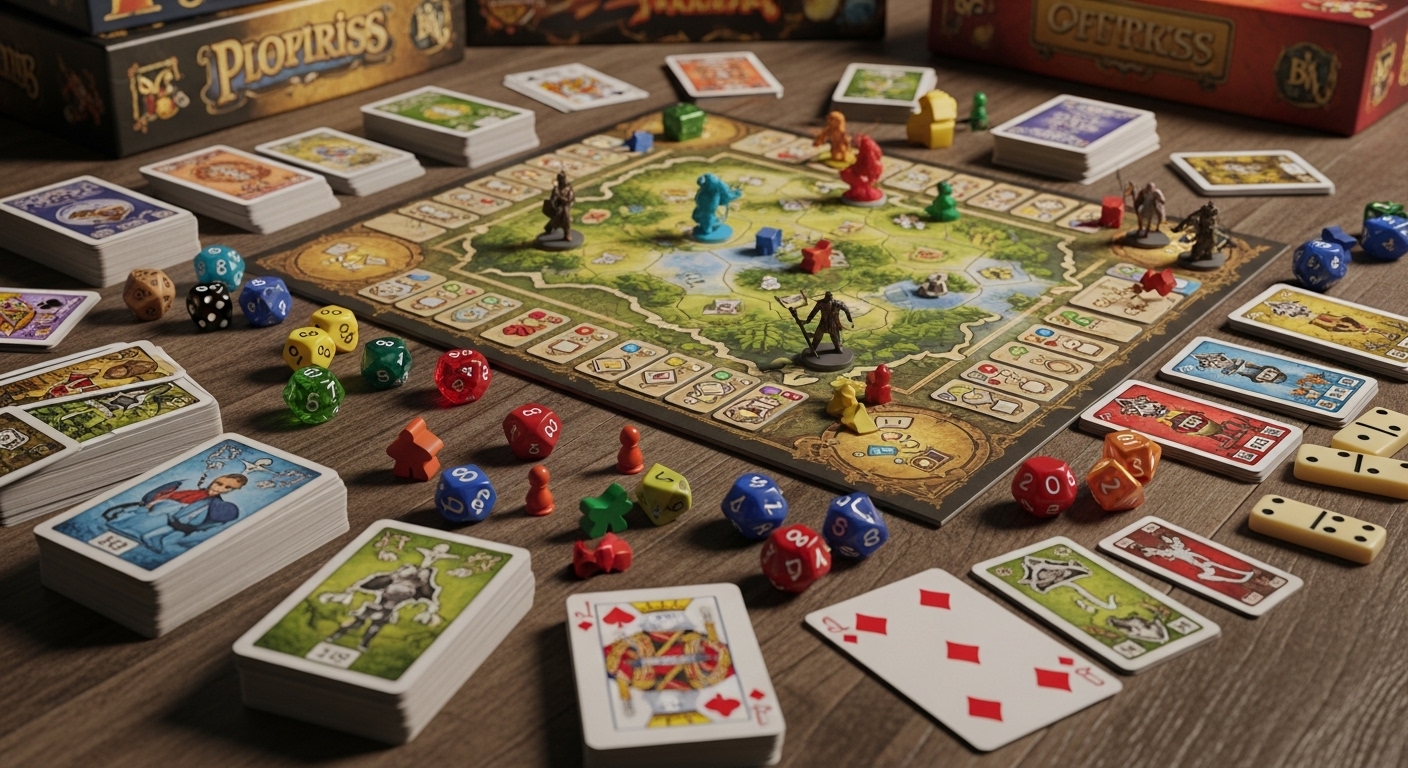
Despite the rise of digital entertainment, classic board games remain popular. In fact, modern board games are experiencing a resurgence, thanks to creative mechanics and engaging storytelling.
Card Games
Card games, both traditional and modern, continue to captivate players. They promote strategy, prediction, and analytical skills.
Mobile Games
Mobile gaming has democratized access to games. Simple touchscreen controls and instant availability allow people to play anytime, anywhere.
Educational Games
These are designed to teach skills through fun and interactive methods. They help children develop cognitive abilities, while adults can use them for learning languages, solving puzzles, and improving logic.
The incredible variety ensures that games appeal to people across cultures, generations, and interests.
Games as a Tool for Learning
Games have tremendous educational value. Their interactive nature makes them ideal for learning new concepts, developing critical thinking, and practicing real-world skills.
Many schools incorporate games to make learning more engaging. Subjects like history, mathematics, and science can be taught through playable experiences that reinforce concepts. Games often require players to solve problems, think creatively, and adapt to changing situations.
Even outside the classroom, games teach patience, teamwork, perseverance, and adaptability. These qualities are beneficial not only for children but for adults navigating the complexities of modern life.
How Games Foster Creativity and Imagination
Games provide players with the freedom to explore new worlds, build structures, customize characters, and develop unique strategies. This freedom fosters creativity.
Sandbox and building games allow players to construct vast digital landscapes. Role-playing games immerse players in storylines where they can make decisions, shape outcomes, and experience different identities. Puzzle and strategy games challenge players to think outside the box.
Creativity in games does not stop at playing. Many players become inspired to create their own stories, artwork, music, and even game designs. This shows how games spark imagination far beyond the screen.
Games as a Social Experience
One of the most powerful aspects of modern gaming is its ability to connect people. Gone are the days when playing a game meant sitting alone in front of a screen. Today, games bring people together across continents.
Multiplayer games allow friends and strangers to collaborate, compete, and communicate. Online communities form around shared interests, strategies, and goals. These communities can become lifelong friendships.
Even offline, board games and party games encourage face-to-face interaction. Families bond over game nights, and groups gather to enjoy friendly competition.
Games have become a meaningful part of social life, helping people stay connected no matter how far apart they are.
The Psychology Behind Why We Love Games
Games tap into basic human desires such as achievement, exploration, and social interaction. They offer challenges that test our abilities and reward systems that keep us motivated.
Humans love solving problems, and games provide endless puzzles and goals. Whether it’s leveling up a character or completing a mission, these accomplishments trigger a sense of satisfaction and progress.
Games also allow people to escape stressful realities. They offer safe environments where players can control outcomes, take risks, and experience adventures they may not encounter in real life.
This emotional engagement makes games one of the most effective forms of entertainment.
The Global Influence of Gaming Culture
Gaming has grown so large that it has become a culture of its own. It influences fashion, art, music, and social trends. Characters and themes from games appear on clothing, in movies, and even in mainstream conversations.
Gamers attend conventions, tournaments, and community events. Popular titles inspire fan art, fan fiction, and vast online discussions. Gaming has become part of the identity of millions, shaping how they connect with the world.
Additionally, competitive gaming has developed into a massive industry with professional players, coaches, and teams. This transformation shows the global impact of gaming culture across multiple industries.
The Benefits of Games for Mental Health
Games can provide positive mental health benefits when enjoyed responsibly. They offer relaxation, stress relief, and emotional comfort. Many people use games as a healthy outlet for unwinding after a long day.
Games also promote cognitive skills such as memory, focus, problem-solving, and hand-eye coordination. Certain games even help with emotional resilience, teaching players how to cope with failure and try again.
For individuals dealing with loneliness or anxiety, online gaming communities offer companionship and support. These connections can be truly meaningful.
Challenges Faced by the Gaming World
Despite its many benefits, the gaming world also faces challenges that require awareness and balance.
Screen Time
Excessive screen time can affect physical and mental well-being. Moderation is important for healthy gaming habits.
Addiction Risks
Some games are designed to keep players engaged for long hours. Mindful play prevents unhealthy dependency.
Toxic Behavior
Online platforms sometimes experience negative behavior. Creating safer, more inclusive communities is an ongoing effort.
Accessibility
Not all games are accessible to people with disabilities. The industry is working toward more inclusive designs.
Recognizing these challenges allows players to enjoy games responsibly and positively.
The Future of Games and Emerging Trends
The gaming industry continues to evolve rapidly. Technology like artificial intelligence, virtual reality, and augmented reality are shaping the future of gaming.
Virtual reality creates immersive worlds where players feel physically present. Augmented reality blends the digital and physical worlds for unique gameplay experiences. Artificial intelligence enhances storytelling, enemy behaviors, and player interactions.
Mobile gaming is also growing fast, offering convenient entertainment for people of all ages. Meanwhile, cloud gaming eliminates the need for expensive hardware, making high-quality games accessible to more players.
The future of gaming promises innovation, creativity, and limitless possibilities.
Conclusion: Games as a Powerful Force in Modern Life
Games are more than a form of entertainment—they are a powerful cultural, educational, and social force. They encourage creativity, build communities, provide emotional relief, and offer countless ways to learn and grow. From ancient tabletop games to modern digital adventures, gaming has always been part of the human experience.
As technology continues to advance, games will evolve even further, shaping how we play, interact, and imagine the world. Whether you are a casual player or a dedicated enthusiast, the world of games has something to offer everyone. It invites us to explore, challenge ourselves, and share meaningful moments with others.