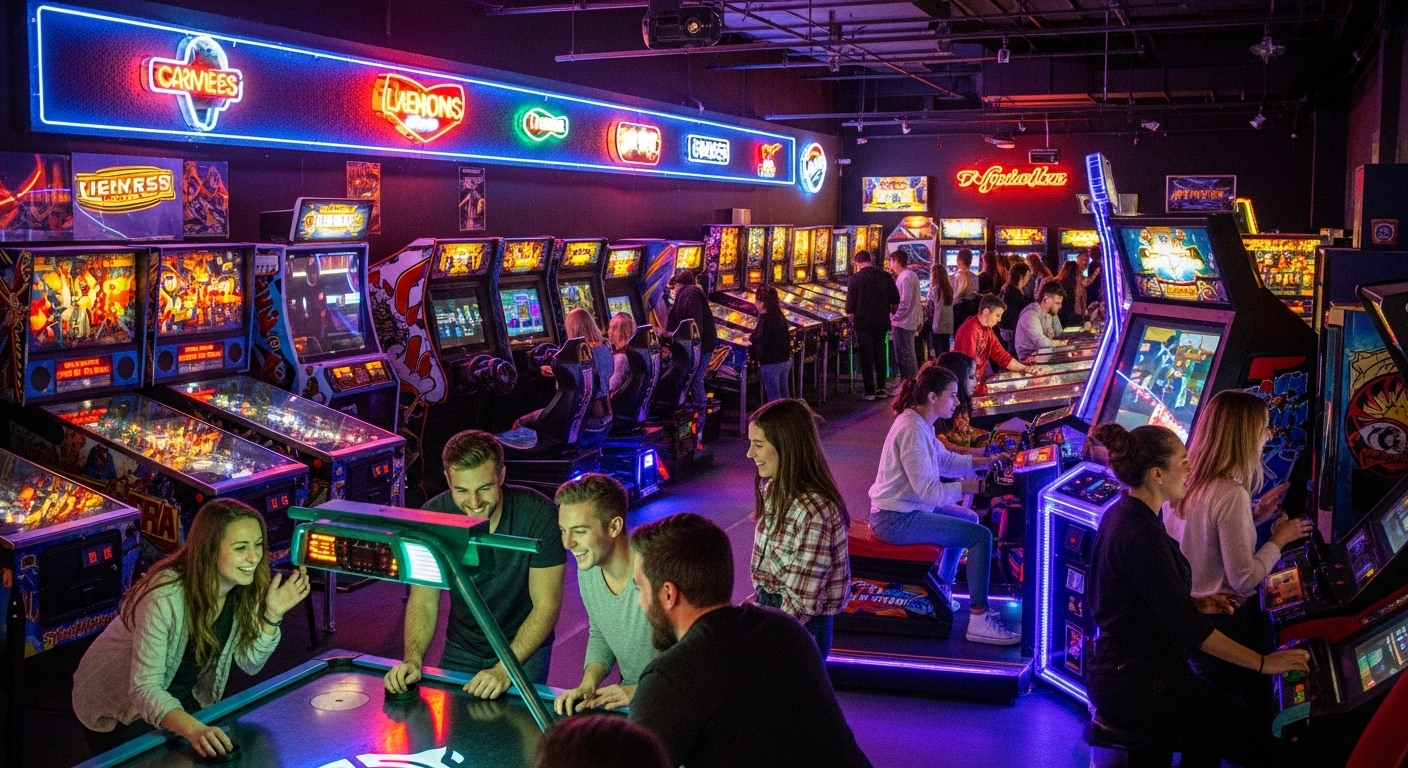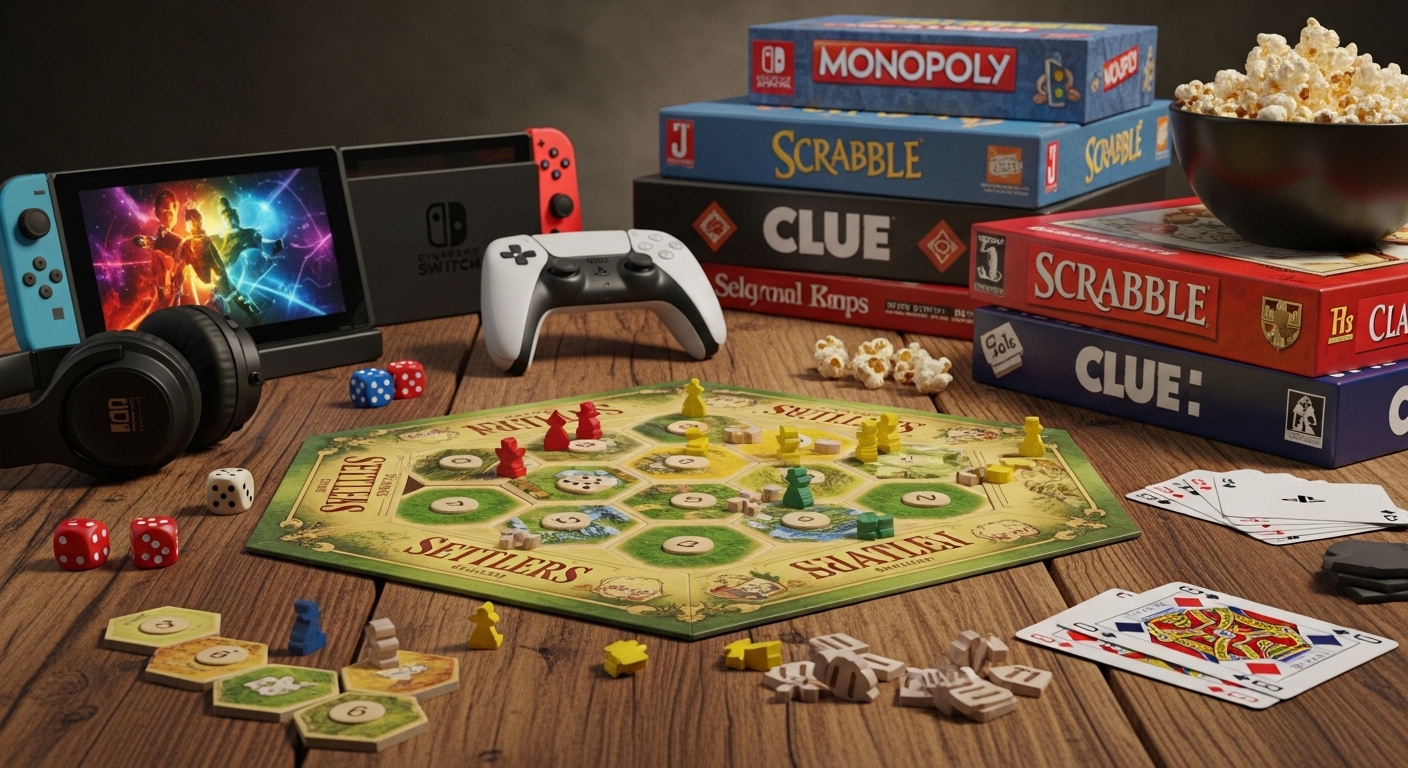
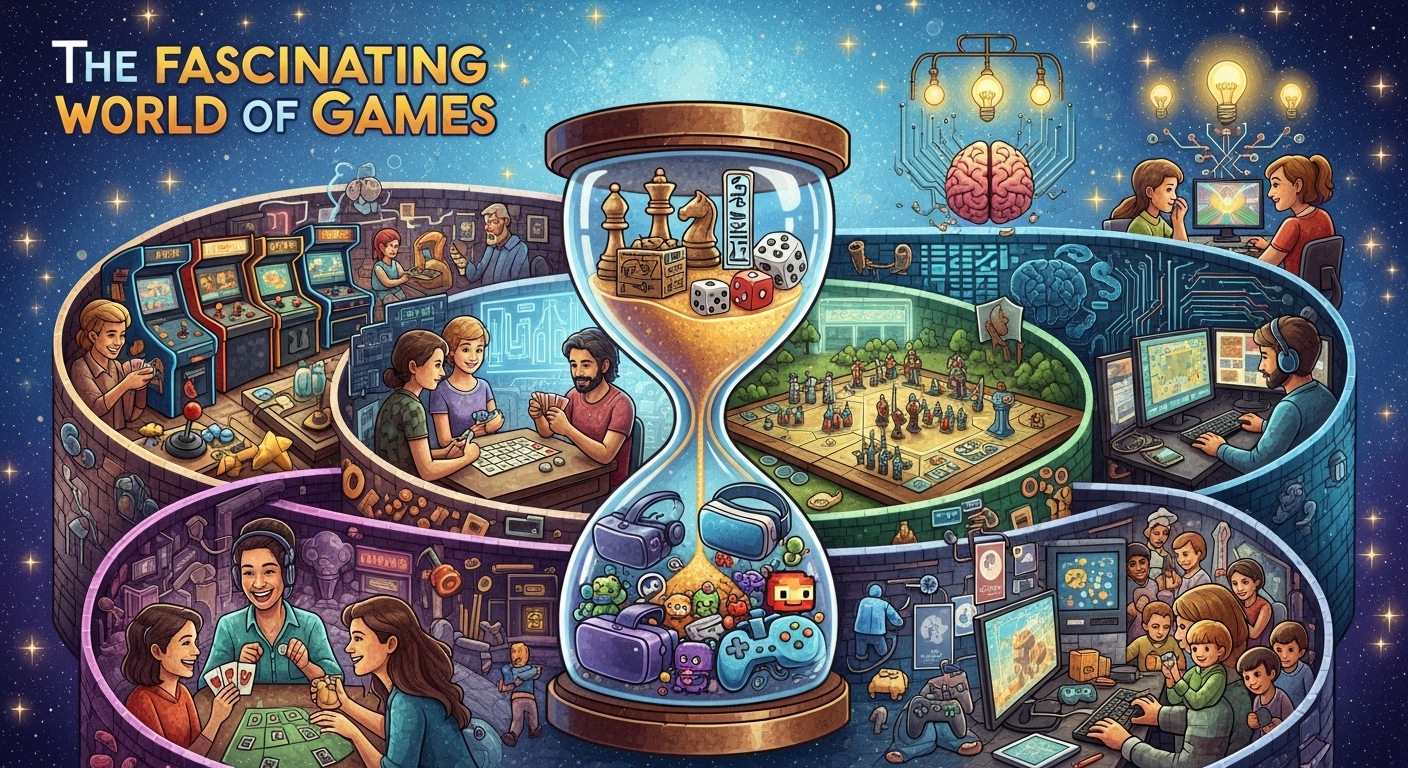
Games have been an essential part of human life since the dawn of civilization. From the earliest tribal contests to the high-tech video games of the modern world, games have always held a unique place in society. They entertain, educate, challenge, and connect people across boundaries. Whether it’s the thrill of a chess match, the intensity of a football game, or the immersive experience of a virtual world, games bring joy and meaning to human life. This blog explores the world of games — their history, evolution, cultural impact, and how they continue to shape our daily lives.
The Ancient Roots of Games
The concept of games dates back thousands of years. Archaeologists have discovered evidence of board games in ancient civilizations like Mesopotamia, Egypt, and China. One of the oldest known games is Senet, which was played in ancient Egypt over 5,000 years ago. It was more than just a pastime; it carried religious and spiritual symbolism. The movement of pieces across the board represented the journey of the soul through the afterlife.
Similarly, in ancient China, Go emerged as one of the most intellectual games ever created. It involved deep strategic thinking, emphasizing balance and patience. The ancient Greeks and Romans had their own versions of competitive games, from athletic contests in the Olympic Games to dice-based entertainment in Roman taverns. These ancient games served not only as recreation but also as a way to teach strategy, skill, and even moral lessons.
The Purpose and Psychology Behind Games
Games serve multiple purposes beyond amusement. They stimulate the brain, encourage creativity, and promote social interaction. Psychologists have long studied why humans are naturally drawn to play. The primary reason is intrinsic motivation — people play because they enjoy the process itself. Games provide a safe environment to experience challenge and achievement without real-world consequences.
Games also activate the reward system in the brain. Every time a player achieves a goal — scoring a point, completing a mission, or winning a match — the brain releases dopamine, creating feelings of pleasure and satisfaction. This biological response explains why games are so engaging and sometimes even addictive.
Furthermore, games encourage learning and development. Children, for example, learn essential skills like problem-solving, cooperation, and patience through play. Adults use games for relaxation, competition, and even cognitive training. The line between fun and growth becomes beautifully blurred.
The Evolution of Physical Games
Before the digital age, games were primarily physical or tabletop-based. Sports like football, cricket, basketball, and tennis became global phenomena that united nations and inspired generations. These physical games demanded teamwork, endurance, and discipline. They also fostered a sense of identity and pride among players and fans alike.
Board games, on the other hand, offered mental stimulation. Chess is a prime example — a game that has transcended time and culture, remaining one of the most intellectual contests ever devised. Similarly, games like Monopoly, Scrabble, and Ludo became household staples, teaching strategic thinking and vocabulary while bringing families together.
As transportation and communication improved, organized tournaments became more common. The establishment of institutions like the Olympic Games transformed play into global celebration. Athletes became heroes, and nations rallied around their representatives, showcasing the unifying power of games.
The Digital Revolution in Gaming
The 20th century brought a massive shift — the birth of electronic and video games. What started as simple pixelated graphics evolved into complex, cinematic experiences. The first video games, such as Pong and Space Invaders, were revolutionary at the time. They introduced a new medium of entertainment where technology met imagination.
As technology progressed, gaming consoles emerged. The 1980s and 1990s marked the golden age of home gaming. Companies like Nintendo and Sega revolutionized the industry with characters such as Mario, Sonic, and Link, who became cultural icons. These games were not just for children — they appealed to all ages, offering a blend of story, challenge, and creativity.
The rise of 3D graphics, online multiplayer, and mobile gaming changed everything once again. Games like Minecraft, Fortnite, and Call of Duty became not just forms of entertainment but also social platforms where millions of players interacted daily. Gaming transformed from a solitary hobby into a community-driven experience.
The Social and Cultural Impact of Games
Games have always reflected culture, and modern gaming is no different. Today, video games often explore deep themes such as morality, identity, and human emotion. Titles like The Last of Us, Red Dead Redemption, and Journey tell stories that rival movies and books in their depth and artistry. They challenge players to think, feel, and make choices that impact the outcome.
In addition, gaming has created its own culture. Esports, or competitive video gaming, has become a multi-billion-dollar industry. Professional players compete on global stages, earning fame and sponsorships comparable to traditional athletes. Streaming platforms have turned gamers into influencers, and online communities have become virtual gathering spaces for millions.
Beyond entertainment, games have influenced art, music, and even education. Many schools now use game-based learning tools to engage students. Simulation games help professionals practice real-world skills, from flying aircraft to managing businesses. In this way, games have transcended their original purpose, becoming essential tools for growth and creativity.
Games as a Bridge Between Generations
One of the most beautiful aspects of games is their ability to bridge generations. A grandparent and a grandchild can enjoy a board game together, just as two teenagers might connect through an online match. Games create shared experiences that transcend age, language, and background.
Modern technology has even allowed classic games to evolve. Traditional card games, puzzles, and board games are now available in digital formats, preserving their charm while making them accessible to a global audience. The sense of nostalgia attached to older games keeps them alive even in the age of hyper-realistic graphics.
Games also provide a means for families to bond. Whether gathered around a table for a game night or connecting online from different cities, people find comfort and joy in shared play. In an increasingly digital and disconnected world, games remain a reminder of our innate need for connection.
The Science of Game Design
Behind every great game lies careful design and psychology. Game developers use principles of motivation, feedback, and progression to create engaging experiences. A well-designed game offers a balance between challenge and reward. If it’s too easy, players lose interest; if it’s too hard, they get frustrated. The sweet spot — known as the flow state — keeps players fully immersed.
Game designers also focus on storytelling, sound design, and visual aesthetics to evoke emotions. The music in a game can create suspense, joy, or sadness. The colors and visuals draw the player into another world. Every small detail contributes to the overall experience.
The introduction of artificial intelligence has further enhanced gaming. Enemies adapt to player behavior, storylines change dynamically, and worlds feel more alive. This evolution shows how games are not merely programmed systems but living forms of interactive art.
The Role of Games in Education and Therapy
Games are powerful learning tools. Educational games have been used to teach subjects ranging from mathematics to history. They make learning interactive and engaging, turning abstract concepts into practical experiences. For example, simulation games allow students to explore ecosystems, manage resources, or even build civilizations — learning through experimentation rather than rote memorization.
Beyond education, games also play a role in therapy. Psychologists use serious games to help patients manage anxiety, depression, and trauma. These games provide safe environments to confront fears, practice coping strategies, or improve mental focus. Physical therapy programs also incorporate motion-based games to aid recovery and rehabilitation.
In this way, games have proven that they can heal as much as they entertain. They remind us that play is not just for children; it is a lifelong necessity for creativity, relaxation, and mental well-being.
The Rise of Virtual and Augmented Reality
The boundaries between the real and the virtual world are becoming increasingly blurred. With virtual reality (VR) and augmented reality (AR), players can step directly into the game. VR headsets allow full immersion, where users can interact with 3D environments as if they were truly there. AR, on the other hand, overlays digital elements onto the physical world, blending reality with fantasy.
Games like these redefine what it means to play. They open doors to experiences once thought impossible — exploring galaxies, fighting dragons, or even creating art in virtual space. The technology continues to evolve, promising even more realistic and emotionally engaging experiences in the near future.
The Global Community of Gamers
Today, gaming is one of the most globalized forms of entertainment. There are billions of gamers worldwide, spanning every age, culture, and background. Online gaming communities foster friendships across continents. Players collaborate, compete, and share stories, forming genuine human bonds through screens and controllers.
Events such as global tournaments, fan conventions, and community meetups celebrate this shared passion. Cosplayers, developers, and fans come together to honor the creativity behind games. What was once considered a niche hobby is now a major cultural force, shaping fashion, language, and even film.
The sense of belonging within gaming communities is profound. For many, games provide a safe space to express themselves, escape stress, or find support. In an increasingly divided world, gaming reminds us of the universal language of play.
The Future of Games
The future of gaming is bright and boundless. Advancements in artificial intelligence, cloud computing, and virtual technology are paving the way for more immersive and intelligent experiences. Games may soon adapt completely to player emotions and choices, offering unique narratives every time.
Moreover, the focus on inclusivity and accessibility is transforming the industry. Developers are designing games for people with disabilities, ensuring everyone can participate in the joy of play. The lines between creator and player are also fading as more people design their own worlds through game-building platforms.
Sustainability and ethical gaming are becoming priorities as well. The industry is moving toward greener practices and responsible storytelling. As technology continues to evolve, the essence of games — creativity, competition, and connection — will remain timeless.
Conclusion: The Infinite Game of Life
At their core, games mirror life itself. They are full of challenges, victories, losses, and lessons. Every move teaches us strategy, patience, and resilience. Whether ancient or futuristic, simple or complex, games remind us that play is not an escape from reality — it is a reflection of it.
From the dusty boards of ancient Egypt to the glowing screens of modern consoles, games have followed humanity through every era. They have evolved with us, taught us, and united us. As technology continues to advance, one truth remains eternal: humans will always play. Because in every game — whether on a field, a board, or a virtual world — we find a piece of what it means to be human.