Introduction
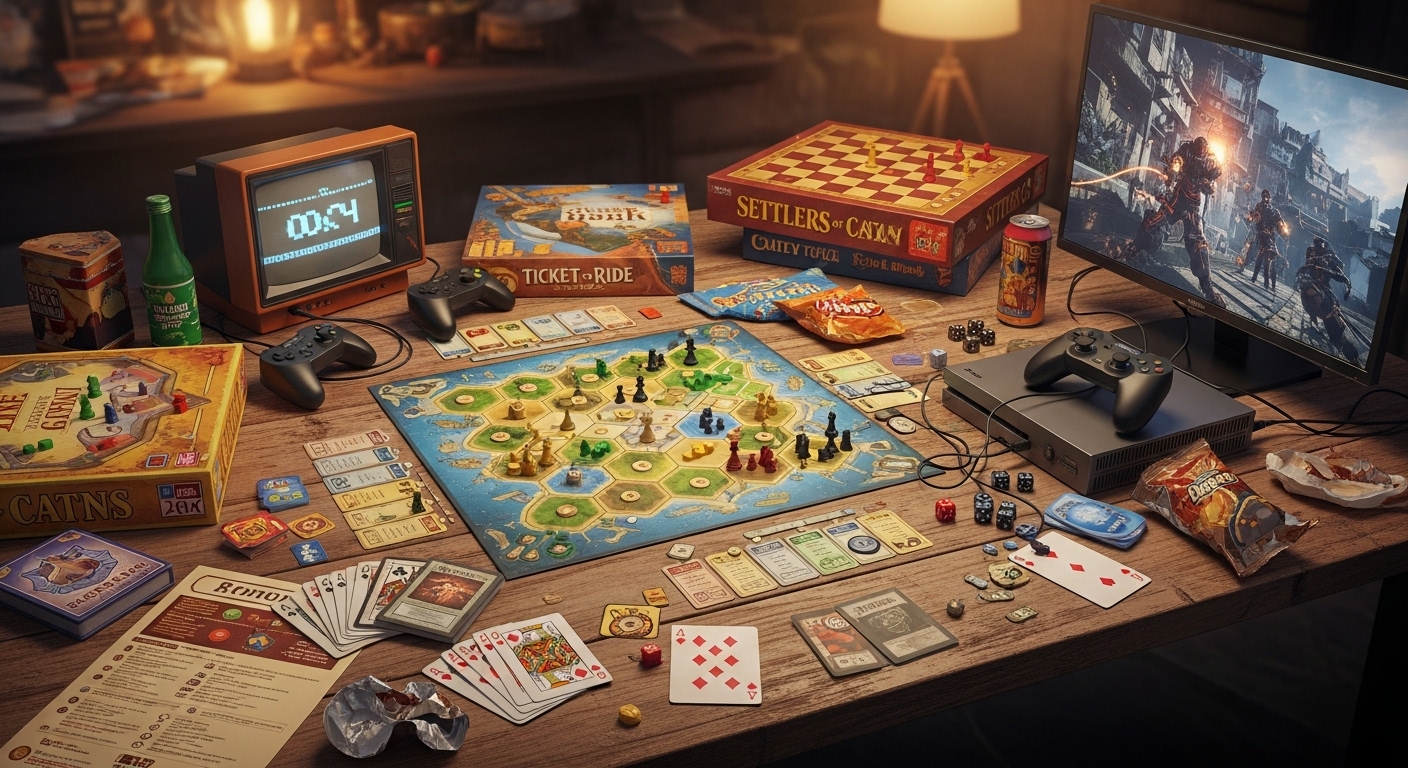
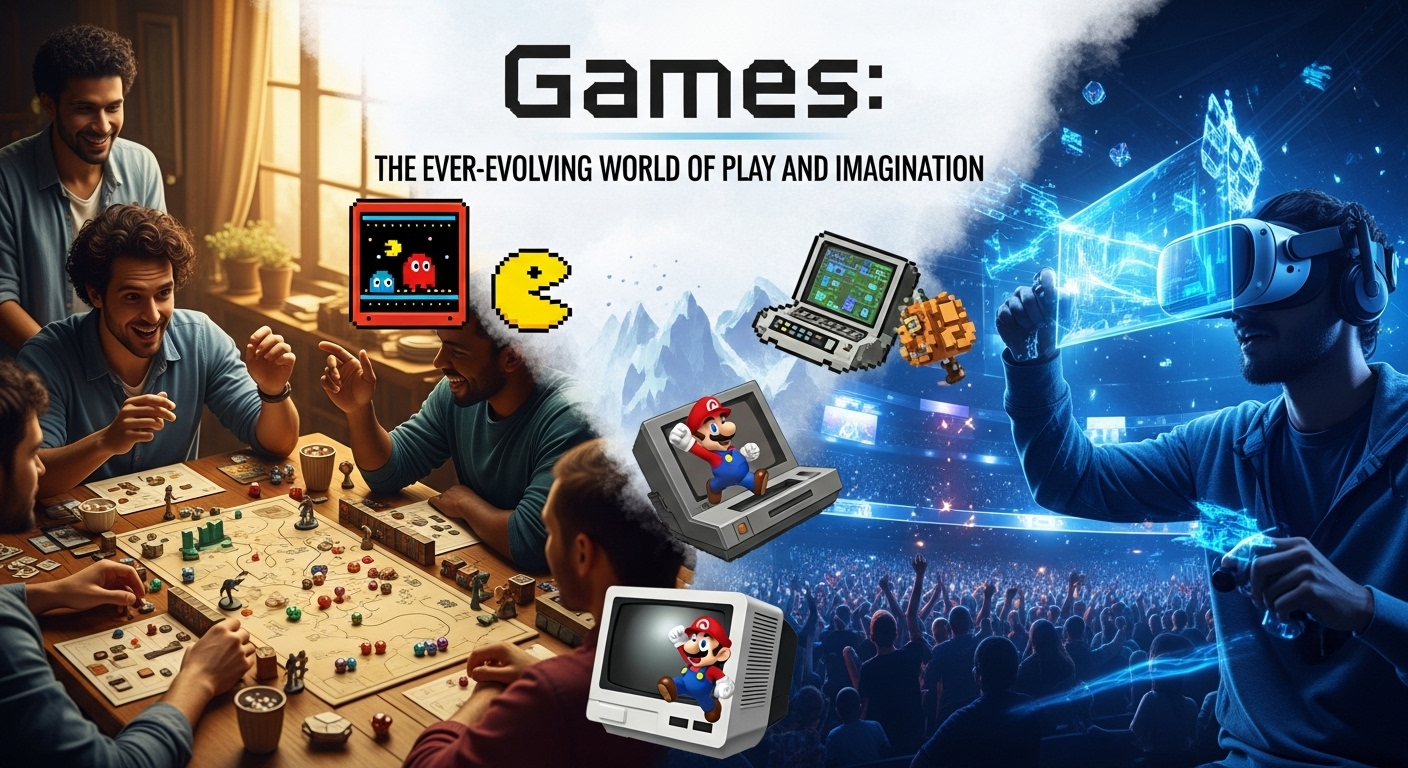
Games have always been an essential part of human culture. From ancient civilizations to the modern digital age, people have played games for entertainment, competition, education, and even survival. Whether carved into stone, played on a dusty field, or streamed live to millions of viewers, games have shaped societies and individuals alike. They are not merely a pastime but a reflection of our creativity, intellect, and desire for connection. The evolution of games from physical to digital forms has expanded their meaning and impact beyond imagination.
The Ancient Roots of Games
The history of games stretches back thousands of years. Ancient Egyptians played Senet, a board game symbolizing the journey of the soul through the afterlife. The Greeks and Romans engaged in competitive athletic events that formed the foundation of the Olympic Games. In China, Go and Mahjong became mental exercises requiring strategy and patience. In India, games like Pachisi and Chess emerged, combining logic, foresight, and war simulation.
These ancient games were more than entertainment—they were ways to develop social relationships, teach values, and simulate life challenges. For example, Chess was designed to train royal minds in strategy, mirroring the complexity of governance and war. The universal appeal of such games lies in their ability to stimulate both the mind and the spirit.
The Cultural Significance of Play
Play is a universal language. Every culture has its unique forms of games that reflect its traditions, beliefs, and lifestyles. Traditional African games like Mancala or indigenous North American stickball games reveal the creativity of societies in using limited resources to create engaging forms of recreation. These games often had moral lessons embedded within them, teaching teamwork, patience, and respect.
In medieval Europe, games such as jousting tournaments or card games became markers of social class and prestige. The nobility played to display skill and power, while the common folk engaged in simpler games to find joy amidst hard labor. No matter the era or region, games have always mirrored the structure of the society they emerged from.
The Psychological Power of Games
Games are not only about fun; they engage the brain in powerful ways. Psychologists have long studied how games affect human behavior and cognition. Games encourage problem-solving, memory enhancement, creativity, and emotional control. They can relieve stress by providing an escape from reality while also allowing players to confront challenges in a safe environment.
For children, play is essential for development. It teaches social skills, cooperation, and adaptability. For adults, games can serve as mental exercise or a form of therapy. Even in elderly populations, playing games like puzzles or cards helps maintain cognitive function and social interaction. The psychological power of games lies in their ability to immerse us in challenges while rewarding perseverance and critical thinking.
The Rise of Modern Sports
As societies evolved, so did the complexity and scale of games. Modern sports emerged as organized, rule-based competitions that attracted communities and nations. Football, cricket, basketball, and baseball became more than games—they became global phenomena that inspire unity, rivalry, and national pride.
The beauty of modern sports lies in their accessibility. A ball, a court, or a field can unite people regardless of their language or background. Watching or playing sports triggers emotions that are deeply human—joy, frustration, triumph, and teamwork. The spirit of competition drives players to push beyond their limits, while fans become part of something larger than themselves.
The Digital Revolution in Gaming
The twentieth century marked a revolutionary transformation in the world of games with the rise of digital technology. Video games emerged as a new medium that combined art, storytelling, technology, and interactivity. What began with simple pixels and sound effects has evolved into vast digital universes with lifelike graphics, complex narratives, and global communities.
The early video games like Pong and Space Invaders were simple yet captivating. They paved the way for genres such as action, adventure, strategy, and role-playing games. As technology advanced, so did the complexity of gameplay. Consoles, computers, and eventually smartphones turned gaming into an accessible global hobby. Today, millions of people engage in online multiplayer games, forming communities that transcend geography and language.
The Art and Storytelling of Games
Modern games have become one of the most powerful storytelling tools of the twenty-first century. They are interactive stories where the player becomes the hero. Unlike books or movies, games allow participants to shape outcomes through their decisions, creating a personal connection to the narrative. Games such as role-playing adventures or open-world explorations demonstrate how storytelling has merged with gameplay to create emotionally rich experiences.
Art design, music, voice acting, and world-building combine to make modern games immersive works of art. Developers craft entire worlds filled with lore, history, and culture. Every detail, from the sound of footsteps to the way light filters through virtual trees, contributes to a sense of realism and depth. The artistry of games has elevated them to the same cultural status as literature or cinema.
The Competitive Edge: Esports and Global Competitions
The rise of esports has transformed gaming into a professional sport. Competitive gaming now attracts millions of viewers and generates enormous revenue. Teams, coaches, and analysts treat esports with the same seriousness as traditional sports. Players train rigorously to perfect their reflexes, strategies, and teamwork.
Esports tournaments showcase the best of human skill and digital precision. They also break down geographical barriers, bringing together competitors from every corner of the globe. The success of esports has changed perceptions of gaming—from being a solitary hobby to a legitimate career path. It has also inspired younger generations to see gaming as an arena of excellence and achievement.
Games as a Social Experience
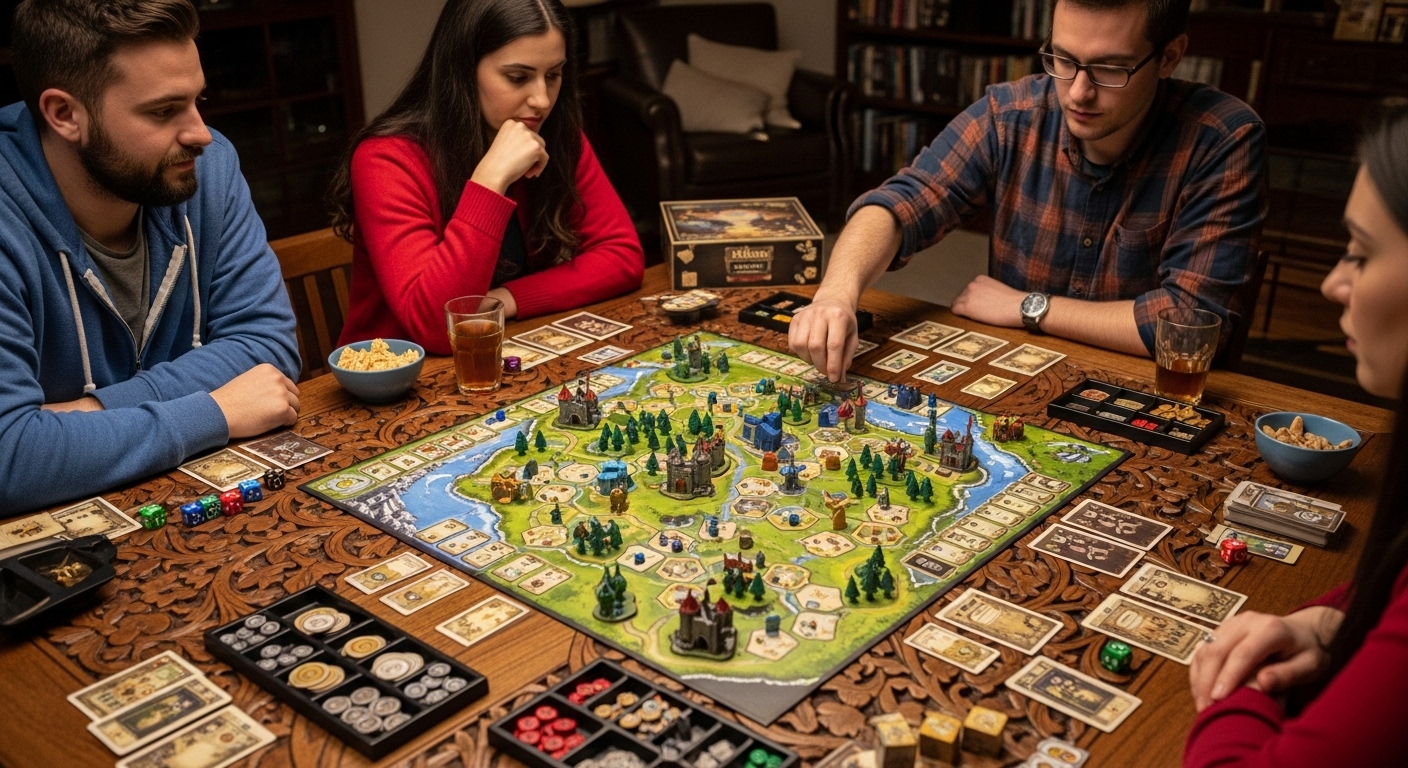
While many people associate gaming with solitary play, it is inherently social. Multiplayer games, both online and offline, create shared experiences that foster friendships and teamwork. Cooperative gameplay teaches communication, empathy, and collective problem-solving. Even competitive play can strengthen bonds through mutual respect and sportsmanship.
The social aspect of gaming has expanded through online platforms and streaming communities. People watch others play, discuss strategies, and share experiences. For many, gaming is not just about winning but about belonging to a community that understands their passion.
The Role of Games in Education
Educational games have become valuable tools in classrooms worldwide. Learning through play engages students more effectively than traditional methods. Subjects like mathematics, history, and science can be taught through interactive simulations that make abstract concepts tangible. Games promote curiosity, experimentation, and resilience by allowing learners to fail safely and try again.
Serious games, designed for training and education, are used in various fields—from military simulations to medical practice. They provide realistic environments where learners can develop skills without real-world risks. The gamification of education has proven that learning can be both effective and enjoyable.
The Economic Impact of the Gaming Industry
The gaming industry is now one of the most profitable sectors in the world, surpassing even film and music. It generates billions annually, creating jobs for developers, designers, artists, musicians, and marketers. The success of major gaming franchises has inspired countless independent creators to innovate and experiment with new ideas.
Beyond entertainment, the economic impact extends to hardware production, esports sponsorships, streaming platforms, and merchandise. The demand for better graphics, faster processors, and immersive technology drives constant innovation. The gaming economy demonstrates how creativity and technology can fuel growth and opportunity on a global scale.
The Ethical and Social Challenges
Despite its many benefits, gaming also faces challenges. Issues like addiction, online toxicity, and excessive screen time have raised concerns. Some players experience stress or isolation when gaming becomes an escape from real-life responsibilities. Developers and policymakers continue to seek balance, promoting responsible gaming habits and mental health awareness.
Moreover, the representation of gender, culture, and diversity in games has become a major topic of discussion. Many developers now strive to create inclusive and respectful portrayals of characters and narratives. Ethical game design ensures that games remain a source of empowerment rather than exclusion.
Virtual Reality and the Future of Play
The next frontier of gaming lies in virtual and augmented reality. These technologies blur the boundaries between the digital and physical worlds. Players can now step directly into their games, experiencing environments and stories as if they were truly there. The possibilities are endless—from realistic simulations to imaginative fantasy worlds.
As artificial intelligence and machine learning advance, games will become more adaptive and personalized. Characters will respond intelligently to player choices, and virtual worlds will evolve dynamically. The future of gaming promises to merge reality with imagination in unprecedented ways.
Games and Human Connection
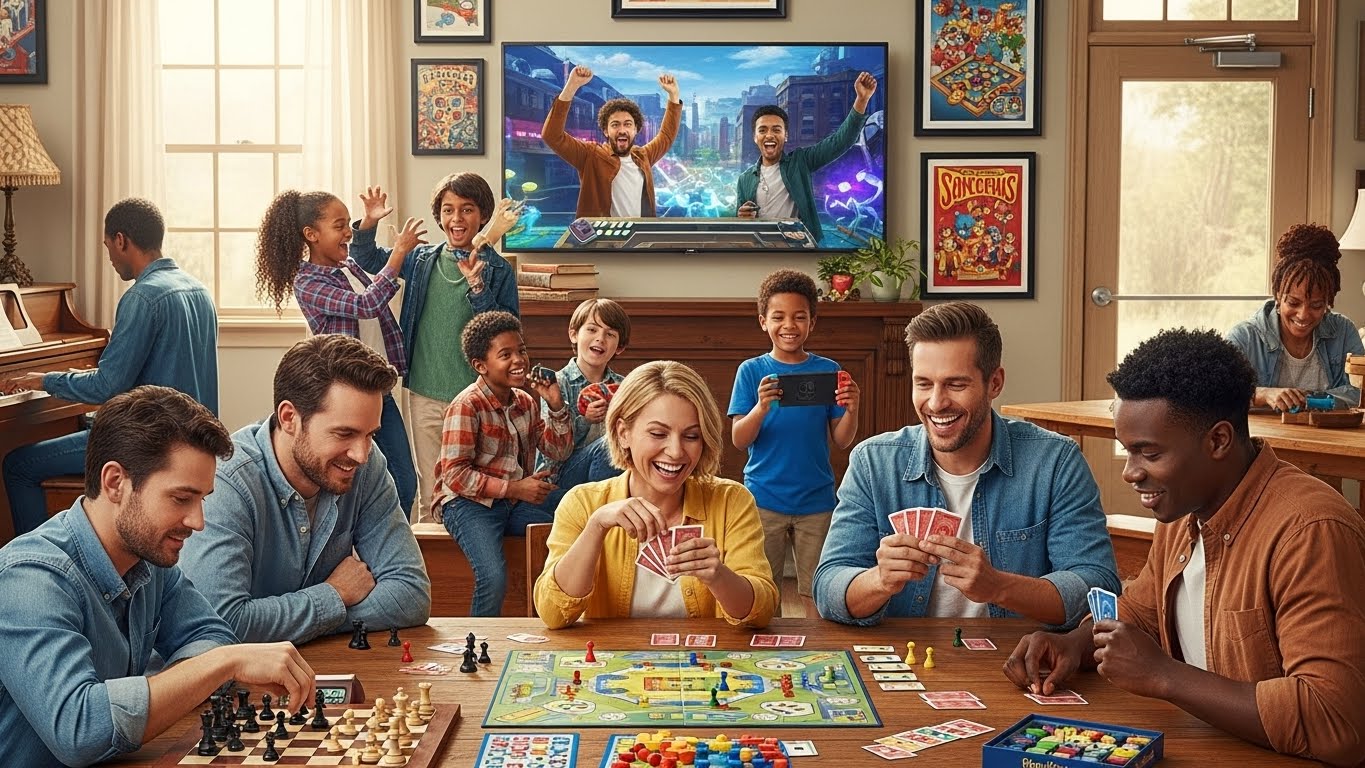
At their core, games connect people. They bring friends together, strengthen families, and unite strangers across continents. The laughter shared during a board game, the teamwork forged in an online match, or the pride of victory in a tournament all remind us that games are about human connection. They transcend age, culture, and language, providing a universal platform for interaction and joy.
Even in times of isolation, games have provided comfort and companionship. During global crises, online communities have offered support and friendship. This social dimension of gaming highlights its power not just to entertain, but to heal and connect.
The Timeless Appeal of Games
Why do humans play games? The answer lies in our nature. Games satisfy our curiosity, our desire for challenge, and our need for social interaction. They allow us to explore possibilities, express creativity, and experience emotions in a safe space. From ancient rituals to modern technology, the essence of play remains unchanged—it is the heartbeat of human imagination.
Games adapt, evolve, and reinvent themselves, but their purpose endures. They remind us that joy, curiosity, and connection are at the heart of what it means to be human.
Conclusion
The world of games is vast, diverse, and ever-evolving. From ancient board games to cutting-edge virtual realities, they continue to inspire, educate, and entertain. Games are a celebration of creativity and intellect, a reflection of culture, and a bridge between generations. They have shaped human history and will continue to shape our future.
In the end, games are not just about winning or losing. They are about the experiences, the emotions, and the lessons we carry from them. They remind us to think strategically, to persevere through challenges, and to connect with others. Whether played in silence or cheered by thousands, games remain one of humanity’s greatest and most enduring inventions—a timeless dance of skill, chance, and imagination.