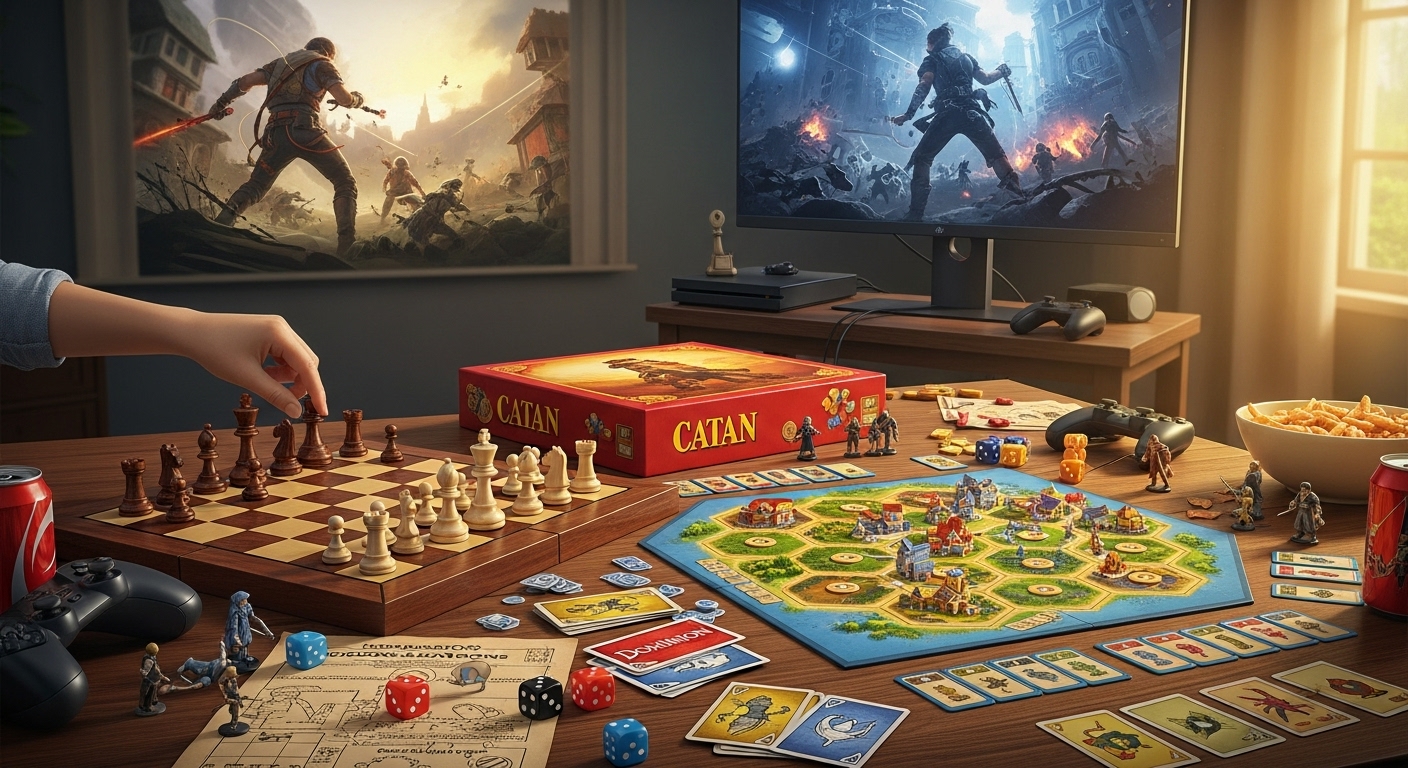
Games have always been a part of human culture, but today, they have evolved into much more than a way to pass the time. From simple childhood board games to complex digital experiences, games challenge the mind, bring people together, and provide endless opportunities for creativity and fun.
The Evolution of Games
Games have come a long way from traditional board games and outdoor sports. Today, they include digital video games, mobile apps, virtual reality experiences, and even competitive esports. The evolution of games reflects technological advancements and changing lifestyles, transforming play into an immersive experience that combines storytelling, strategy, and skill.
The Joy of Strategy and Skill
One of the most exciting aspects of games is the challenge they offer. Strategy games test problem-solving abilities, resource management, and critical thinking. Action games demand quick reflexes and coordination. Puzzle games stimulate creativity and mental agility. Regardless of the type, games encourage players to think, plan, and improve their skills while having fun.
Social Connections Through Gaming
Games are more than just solitary entertainment. Multiplayer games and online communities bring people together, fostering collaboration, competition, and friendship. From teaming up to complete a mission to competing in tournaments, games create shared experiences that connect people across the world. These social interactions make gaming a rich and meaningful way to build relationships.
Learning and Personal Growth
Games can be educational as well as entertaining. Simulation games teach planning and management skills, while historical games offer lessons in history and culture. Even narrative-driven games encourage empathy and decision-making, helping players explore different perspectives. Many educators now recognize the potential of games as tools for learning and personal growth.
The Future of Gaming
The future of games is bright and full of possibilities. Virtual reality and augmented reality are creating fully immersive experiences, while cloud gaming is making games more accessible than ever. Artificial intelligence is enhancing game design, making worlds more dynamic and responsive. As technology progresses, games will continue to evolve, offering new adventures and challenges for players of all ages.
Games as a Lifestyle
For many people, games are more than just entertainment—they are a lifestyle. Players collect achievements, create content, and engage in communities that celebrate their passion. Gaming influences culture, inspires creativity, and even shapes careers. It has become an integral part of modern life, connecting millions of people around a shared love for play.
Conclusion
Games are no longer just a pastime—they are a powerful medium for entertainment, learning, and social connection. They challenge our minds, spark our creativity, and bring people together in ways that few other activities can. Whether through a simple board game, a strategic video game, or an immersive virtual adventure, the world of games continues to expand, offering endless opportunities for fun and discovery.