
Introduction: The Universal Language of Gaming
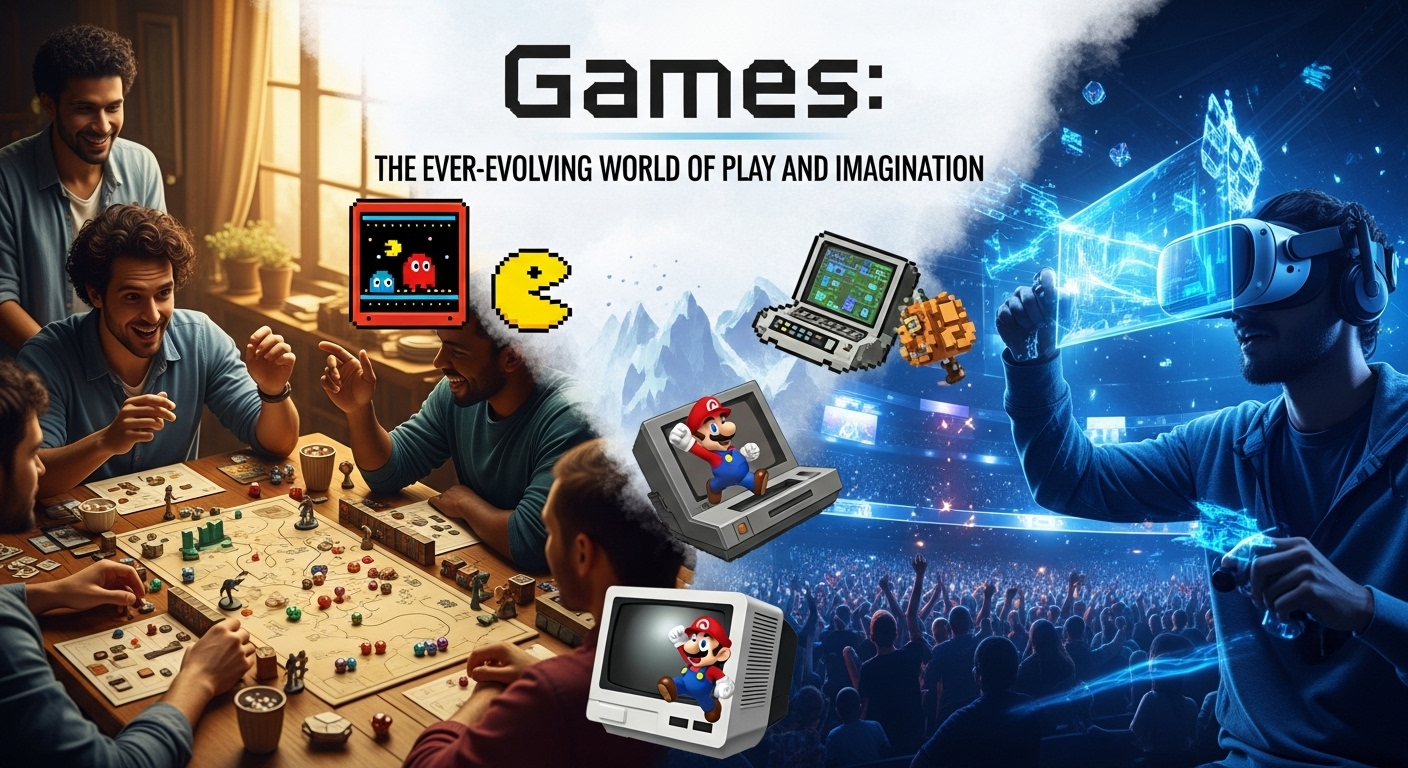
Gaming has grown from a niche hobby into one of the most powerful entertainment industries in the world. What once began as simple arcade machines and pixelated adventures has transformed into a vast universe of immersive storytelling, lifelike graphics, and global competition. Gaming is no longer confined to the basement or the arcade; it’s a cultural phenomenon that connects billions of people across continents.
In modern times, video games have become a blend of art, technology, and emotion. They tell stories, test skills, and even create livelihoods for professionals through esports and content creation. From consoles and PCs to mobile and virtual reality platforms, gaming has evolved into a multifaceted experience that appeals to people of all ages. This blog explores the fascinating journey of gaming, from its humble beginnings to its bright and limitless future.
The Birth of Gaming: From Arcades to Home Consoles
The history of gaming begins in the mid-20th century, with the invention of the first electronic games. Early titles like Pong, Space Invaders, and Pac-Man were simple yet revolutionary, paving the way for what was to come. The 1970s and 1980s saw the rise of arcades, where gamers would gather to challenge one another for high scores. These early experiences established gaming as a social activity, something to be shared and celebrated.
When home consoles emerged, gaming became more personal. Systems like the Atari 2600 and the Nintendo Entertainment System introduced gaming to the living room, transforming it from a public pastime into a household staple. The ability to play from home revolutionized the entertainment landscape and marked the beginning of gaming’s global expansion.
The 1990s: The Golden Age of Console Wars
The 1990s are often remembered as one of the most transformative decades in gaming history. The rivalry between Sega and Nintendo defined an era of innovation and competition. Gamers around the world debated which was superior: Sonic the Hedgehog or Super Mario. This era gave rise to legendary franchises that continue to dominate the industry today.
The 1990s also introduced 3D graphics, drastically changing how games looked and played. Titles like Super Mario 64 and The Legend of Zelda: Ocarina of Time redefined game design and immersion. Meanwhile, Sony entered the market with the PlayStation, revolutionizing gaming with CD-based technology and cinematic storytelling. The decade ended with gaming cemented as a mainstream form of entertainment rather than a passing trend.
The Rise of PC Gaming and Online Play
As technology advanced, personal computers became a powerful platform for gaming. PC gaming offered flexibility, superior graphics, and access to a wide range of genres, from strategy and simulation to role-playing and first-person shooters. Games like Doom, Half-Life, and StarCraft not only set new standards for gameplay but also cultivated massive fan communities.
The rise of the internet brought multiplayer gaming into the spotlight. Early online games like Quake and Ultima Online introduced the concept of connecting players from around the world. Online play was no longer limited to local split screens; now, anyone with an internet connection could compete or collaborate with others globally. This shift laid the foundation for the massive online gaming ecosystems that exist today.
The 2000s: The Era of Innovation and Storytelling
The early 2000s ushered in an era of technological innovation and narrative depth. Gaming was no longer about high scores or speed runs—it became about emotion, storytelling, and cinematic experience. Titles like Metal Gear Solid, Final Fantasy X, and Grand Theft Auto III pushed boundaries by combining interactive gameplay with Hollywood-level storytelling.
Consoles like the PlayStation 2, Xbox, and GameCube dominated households. Each system offered something unique, from multiplayer experiences to exclusive story-driven adventures. Meanwhile, PC gaming continued to thrive with online multiplayer games such as Counter-Strike and World of Warcraft, which introduced players to persistent online worlds that could evolve over years.
This period also saw the birth of indie gaming. Smaller studios began producing creative, innovative titles that focused on art and emotion rather than big budgets. These independent games proved that creativity could rival technical prowess, inspiring countless future developers.
The Rise of Mobile Gaming
With the introduction of smartphones, gaming entered an entirely new dimension. Mobile gaming revolutionized accessibility, allowing anyone to play anywhere, anytime. Titles like Angry Birds, Candy Crush Saga, and Clash of Clans became global sensations, attracting millions of players who had never owned a console or gaming PC.
Mobile gaming blurred the line between casual and hardcore audiences. It became a massive industry, supported by in-app purchases, advertising, and global connectivity. While some gamers dismissed mobile games as “casual,” their impact on the gaming landscape was undeniable. Today, mobile platforms generate billions in revenue and serve as entry points for new generations of gamers.
The Rise of Esports: Gaming Becomes a Career
One of the most significant developments in modern gaming is the rise of esports. Competitive gaming evolved from small local tournaments into massive international events watched by millions. Titles like League of Legends, Dota 2, and Counter-Strike: Global Offensive became global phenomena, complete with professional players, coaches, and sponsors.
Esports tournaments now fill entire arenas, with fans cheering for their favorite teams just like traditional sports. The level of skill, strategy, and teamwork required in professional gaming has elevated it to a respected and legitimate career path. Players train for hours daily, studying tactics, analyzing opponents, and maintaining peak mental performance.
Streaming platforms have further boosted esports’ popularity, allowing fans to watch live matches, follow personalities, and engage directly with their favorite players. Esports has proven that gaming is not just entertainment—it’s a competitive discipline and an evolving cultural movement.
Virtual Reality and Augmented Reality: Immersing Players in New Worlds
Virtual Reality (VR) and Augmented Reality (AR) have taken gaming to unprecedented levels of immersion. VR headsets like Oculus Quest, PlayStation VR, and HTC Vive allow players to step inside the game world, experiencing it from a first-person perspective. Whether exploring alien planets or fighting zombies, VR provides unparalleled interactivity and realism.
Meanwhile, Augmented Reality blends digital elements with the real world. Games like Pokémon Go have demonstrated the potential of AR to engage players in outdoor exploration and social interaction. As these technologies continue to evolve, they promise to blur the boundaries between virtual and physical experiences even further.
VR and AR are also transforming how developers approach storytelling and design. Instead of watching a character’s journey unfold, players now live that journey, participating in the narrative firsthand. This evolution signals a future where gaming becomes not just interactive entertainment, but full-scale experiential immersion.
Game Design and Art: The Power of Creativity
Behind every great game is a creative vision. Game design blends art, technology, psychology, and storytelling into one cohesive experience. Designers must balance challenge and reward, ensuring that gameplay feels engaging and fair. Visual artists craft detailed environments and characters, while sound designers and composers create immersive atmospheres that heighten emotion.
The artistic side of gaming has gained increasing recognition. Titles such as Journey, The Last of Us, and Red Dead Redemption 2 are celebrated not only for gameplay but also for their emotional depth and artistic craftsmanship. Gaming has become an art form, capable of expressing human emotion, exploring philosophical questions, and even telling stories that rival those of film and literature.
Social Impact and Community in Gaming
Gaming is no longer a solitary activity—it’s a thriving social ecosystem. Online multiplayer platforms allow players to collaborate, compete, and build friendships that span continents. Communities form around shared interests, from speedrunning challenges to game modding.
However, the rise of online gaming has also highlighted challenges such as toxicity, inclusivity, and digital well-being. Developers and communities alike are now working toward creating safer, more welcoming spaces for players of all backgrounds. Gaming’s global nature also provides opportunities to bridge cultural divides, promote teamwork, and foster understanding.
In many ways, gaming communities have become digital societies, complete with their own traditions, languages, and forms of expression. Players gather in forums, social media groups, and virtual worlds to share experiences, celebrate achievements, and discuss game lore. This sense of belonging is one of gaming’s greatest strengths.
The Business of Gaming: An Expanding Industry
Gaming has evolved into one of the most lucrative industries on the planet. With revenues surpassing film and music combined, it’s a powerhouse of entertainment and innovation. Major companies invest billions in game development, marketing, and technology. Franchises like Call of Duty, FIFA, and Fortnite generate immense profits through sales, downloadable content, and microtransactions.
Subscription services and digital distribution platforms have changed how players access games. Instead of physical copies, gamers now download titles instantly or subscribe to libraries of hundreds of games. Cloud gaming services allow players to stream games without expensive hardware, making high-quality gaming more accessible than ever.
The economic growth of gaming also creates millions of jobs worldwide, from developers and designers to streamers, marketers, and esports professionals. The industry’s expansion continues to drive innovation in hardware, software, and creative storytelling.
The Future of Gaming: Artificial Intelligence, Cloud, and Beyond
The future of gaming promises even greater transformation. Artificial Intelligence is already shaping how games adapt to players’ choices, creating dynamic experiences that evolve in real time. AI-driven characters can learn from behavior, providing more natural and unpredictable interactions.
Cloud gaming is another breakthrough, allowing players to stream games on any device without needing powerful consoles or PCs. This technology makes high-quality gaming more accessible, breaking down financial and technical barriers. As internet infrastructure improves, cloud gaming could become the dominant form of play.
Emerging technologies like blockchain, virtual economies, and player-created worlds will redefine digital ownership and creativity. Players may soon be able to create, trade, and sell in-game assets across different platforms, creating a truly interconnected gaming universe.
Conclusion: Gaming as the Heart of Modern Culture
Gaming has come a long way from the pixelated screens of the past. It is now a cornerstone of modern entertainment, blending technology, art, and human imagination. Whether through immersive storytelling, competitive esports, or social connection, gaming touches nearly every aspect of modern life.
It has become more than just play—it’s culture, communication, and creation. Games inspire innovation, encourage teamwork, and offer escape during challenging times. They challenge our minds, ignite our imaginations, and remind us of the power of creativity in a digital age.
As technology continues to evolve, so will gaming. Virtual reality, artificial intelligence, and cloud systems will shape the next chapter in its journey. But no matter how advanced games become, one truth remains constant: gaming will always be about connection, joy, and the shared experience of exploring new worlds together.