Introduction: The Essence of Games
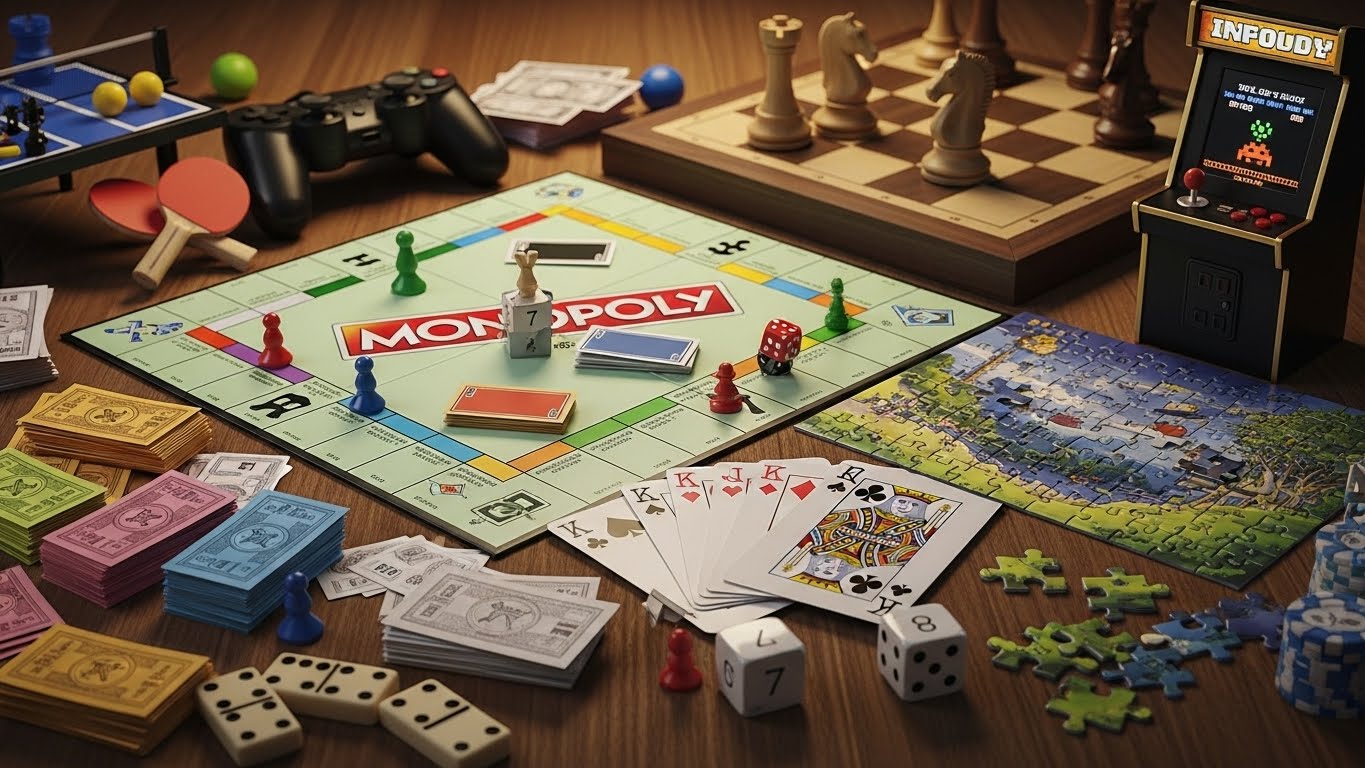
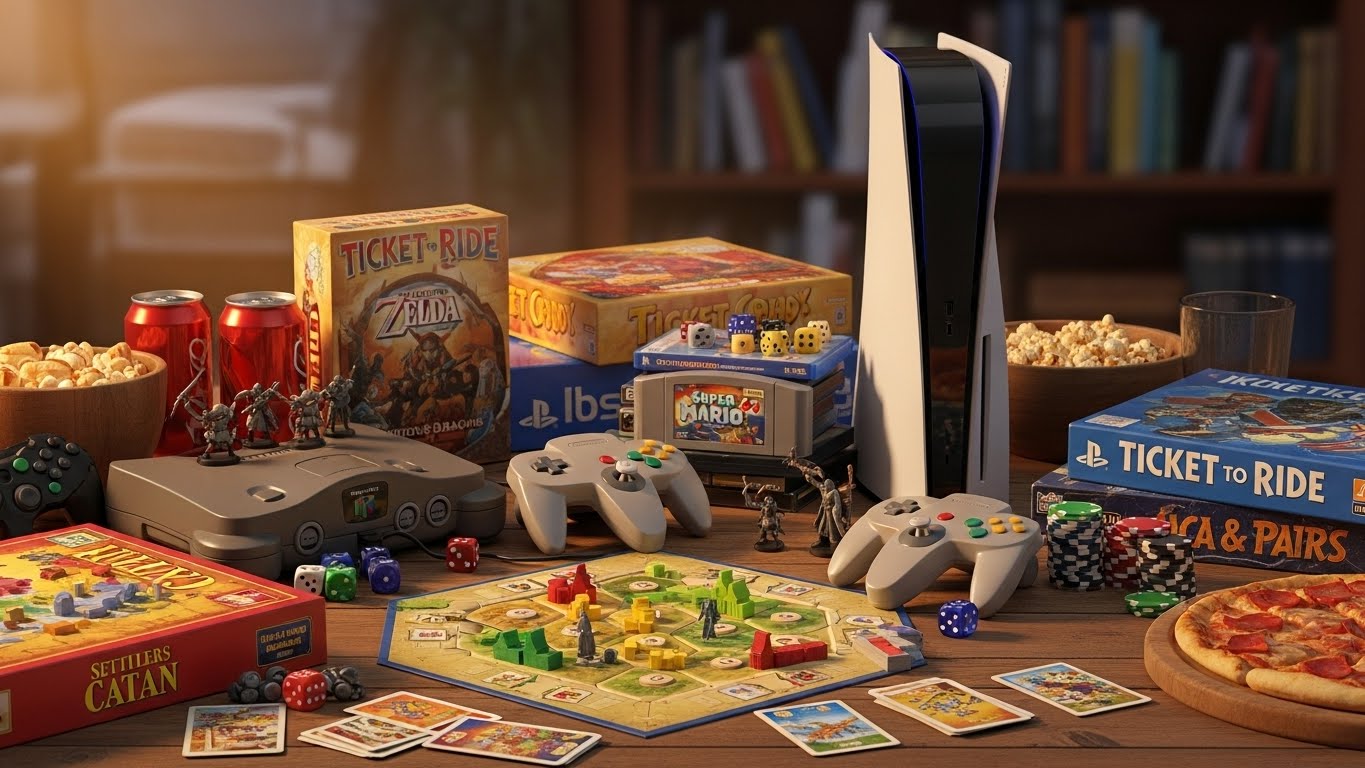
Games are more than a source of fun—they are a reflection of human creativity, strategy, and culture. From ancient board games to modern video games, they have evolved alongside civilization, influencing entertainment, education, and social interaction. Games provide challenges, foster collaboration, and engage both mind and body. In this blog, we will explore the history of games, their various forms, their cultural and educational significance, technological advancements, and their continuing evolution in the modern era.
The Origins of Games: From Ancient Traditions to Early Board Games
The history of games dates back thousands of years. Ancient civilizations invented games for entertainment, strategy, and social interaction. Board games like Senet in Egypt and the Royal Game of Ur in Mesopotamia served as both leisure and intellectual exercises.
Games were often symbolic, representing spiritual beliefs, societal hierarchy, or military strategy. Chess, originating in India, evolved into a game of skill, strategy, and foresight, becoming a global phenomenon over centuries. These early games highlight humanity’s desire for challenge, problem-solving, and engagement.
Traditional Games and Their Cultural Significance
Traditional games, including tag, hide-and-seek, marbles, and card games, have played a crucial role in cultural development. They often teach skills such as teamwork, communication, and strategic thinking while reflecting the social norms and values of their time.
Many traditional games were passed orally or through practice, creating shared experiences within communities. They fostered social bonds, encouraged physical activity, and provided entertainment without the need for advanced technology. These games demonstrate the timeless appeal of interactive play.
The Emergence of Modern Board Games
Modern board games evolved in the 19th and 20th centuries, combining strategy, chance, and creativity. Games like Monopoly, Scrabble, and Risk became household staples, offering both entertainment and cognitive challenges.
Board games encourage planning, negotiation, resource management, and problem-solving. They also provide social engagement, as players interact, strategize, and compete with friends and family. The popularity of board games demonstrates their enduring relevance in an increasingly digital world.
The Rise of Video Games
Video games transformed the concept of play in the late 20th century. Early arcade titles like Pac-Man and Space Invaders captivated audiences with simple yet addictive gameplay. Home consoles, such as the Nintendo Entertainment System and Sega Genesis, brought video games into living rooms, expanding accessibility and cultural influence.
PC gaming further expanded the medium, offering complex worlds, strategy, and multiplayer experiences. Titles such as Doom, StarCraft, and The Sims engaged players with immersive gameplay, storytelling, and community-driven content. Video games represent a fusion of art, technology, and entertainment, creating interactive experiences unlike any other form of play.
Game Genres and Their Unique Experiences
Games today encompass a wide variety of genres, each offering distinct challenges and experiences.
Action Games: These fast-paced games, like Call of Duty and Devil May Cry, test reflexes, precision, and hand-eye coordination.
Role-Playing Games (RPGs): Games such as The Witcher and Final Fantasy immerse players in complex narratives, character development, and decision-making.
Strategy Games: Titles like Age of Empires and Civilization emphasize planning, resource management, and critical thinking.
Sports and Racing Games: FIFA, NBA 2K, and Forza Motorsport simulate real-world sports, combining skill, timing, and competition.
Puzzle and Casual Games: Games like Candy Crush, Tetris, and Sudoku challenge the mind, enhancing problem-solving and cognitive abilities.
Multiplayer Online Battle Arenas (MOBAs): League of Legends and Dota 2 focus on teamwork, strategy, and competition, attracting competitive communities worldwide.
This diversity ensures that games appeal to a wide audience, providing experiences ranging from casual entertainment to professional competition.
Social Interaction Through Games
Games are often social experiences, bringing people together across cultures and geographies. Board games encourage face-to-face interaction, while online multiplayer games connect players globally.
Games foster teamwork, strategy, and communication, as players collaborate to achieve common goals or compete against each other. Gaming communities, both online and offline, provide spaces for social bonding, shared experiences, and cultural exchange.
Educational Benefits of Games
Beyond entertainment, games have significant educational value. Strategy games enhance critical thinking and problem-solving skills. Puzzle games improve logic and cognitive function. Role-playing games teach decision-making, empathy, and creativity.
Educational games and gamified learning platforms use interactive play to teach math, science, history, and language skills. Games make learning engaging and memorable, demonstrating that play is a powerful tool for intellectual growth.
Competitive Gaming and Esports
Competitive gaming, or esports, has transformed games into professional arenas. Tournaments for games like League of Legends, Dota 2, and Counter-Strike attract global audiences and substantial prize pools. Professional players train rigorously, dedicating hours to mastering skills, strategies, and teamwork.
Esports has elevated games to spectator entertainment, with streaming platforms allowing millions to watch live matches. Competitive gaming combines skill, strategy, and performance, illustrating the professional potential of games beyond casual play.
Technological Innovations in Gaming
Technology drives innovation in games, enhancing graphics, gameplay, and interactivity. High-performance hardware, advanced graphics engines, and immersive audio create realistic experiences. Virtual reality and augmented reality introduce fully interactive worlds, while cloud gaming allows access without high-end devices.
Artificial intelligence in games adapts challenges to player behavior, creates intelligent opponents, and enhances storytelling. Technology ensures that games continue to evolve, providing richer and more engaging experiences.
Games as Cultural Phenomena
Games have become cultural touchstones, influencing art, music, literature, and social trends. Iconic characters, storylines, and moments resonate across generations, creating shared cultural experiences. Cosplay, fan art, and community events highlight the creative expression inspired by games.
Games also reflect societal values, historical events, and ethical dilemmas, providing a medium for cultural exploration. They shape how people interact, imagine, and perceive the world, making gaming a significant aspect of modern culture.
Health and Wellness Considerations in Gaming
While games offer cognitive, social, and emotional benefits, maintaining physical and mental health is essential. Long gaming sessions can lead to sedentary behavior, eye strain, and repetitive stress injuries. Balanced routines, ergonomic setups, and physical activity ensure sustainable play.
Mental health considerations are also important. Stress from competitive gaming, social pressure, or online interactions can impact players’ well-being. Mindful gaming practices and community support promote healthy and enjoyable gaming experiences.
The Future of Games
The future of games promises continued innovation and expansion. Virtual reality, augmented reality, and cloud-based gaming will create immersive, accessible experiences. Cross-platform play and interactive storytelling will redefine engagement, making games more inclusive and dynamic.
Games will continue to integrate with education, social networking, and cultural expression, offering meaningful experiences beyond entertainment. As technology advances, games will remain a versatile and transformative medium for engagement, creativity, and connection.
Conclusion: The Enduring Power of Games
Games have evolved from simple pastimes to complex, immersive experiences that shape culture, technology, and society. They entertain, educate, challenge, and connect people across the globe. From ancient board games and traditional sports to video games and esports, the world of games demonstrates the enduring human desire for play, creativity, and exploration.
As games continue to evolve, they will remain an integral part of modern life, inspiring innovation, fostering community, and reflecting the limitless potential of human imagination. Games are not just a way to pass time—they are a powerful medium that entertains, challenges, and unites.