
Introduction: The Universal Appeal of Games
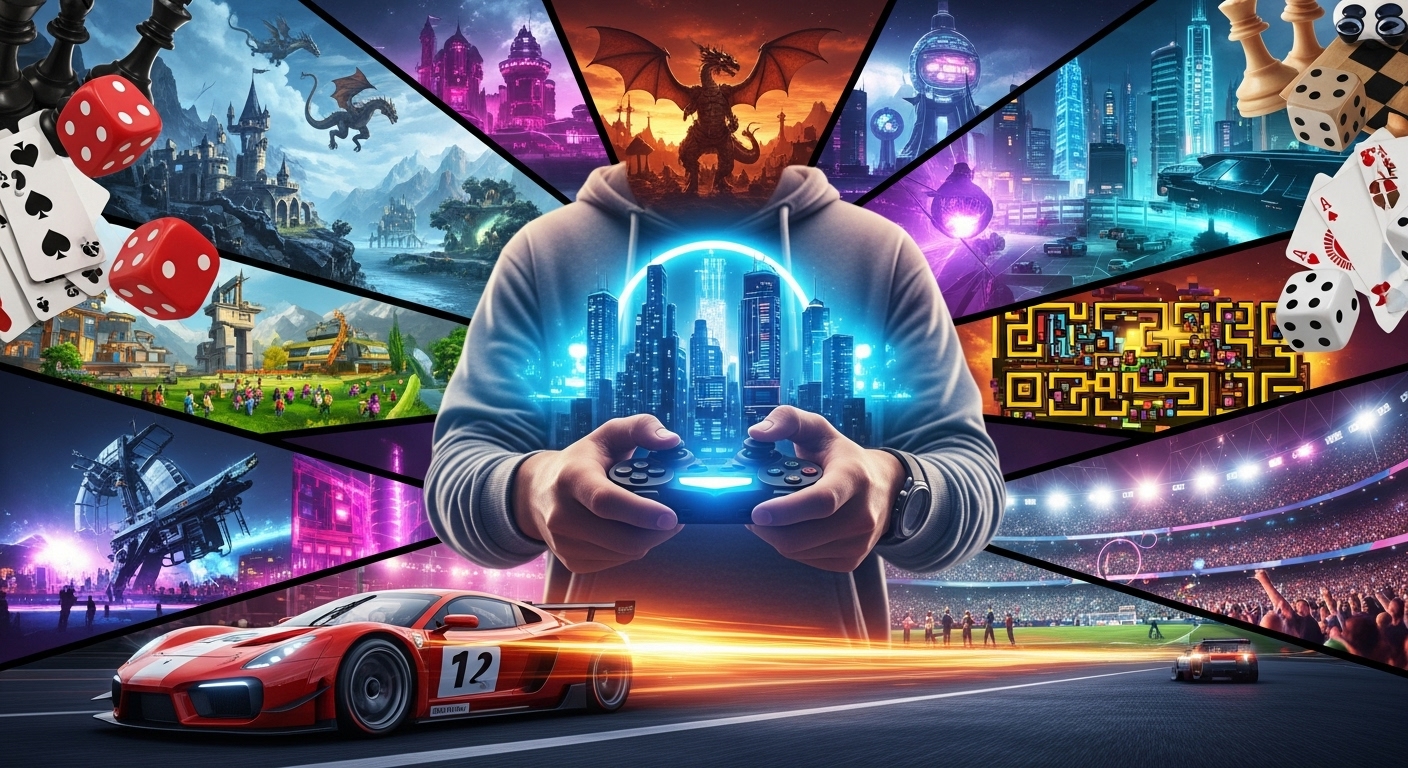
Games have been an integral part of human culture for thousands of years. From ancient board games to modern video games, play is more than a form of entertainment—it is a way to learn, socialize, and express creativity. Games transcend age, language, and geography, providing experiences that are both engaging and meaningful.
In today’s digital era, games are everywhere. They exist on phones, computers, consoles, and even in virtual and augmented reality environments. Gaming is no longer just a pastime; it is a dynamic industry that influences technology, culture, education, and social interaction. This blog explores the multifaceted world of games, examining their evolution, benefits, cultural impact, and future potential.
The Evolution of Games: From Traditional to Digital
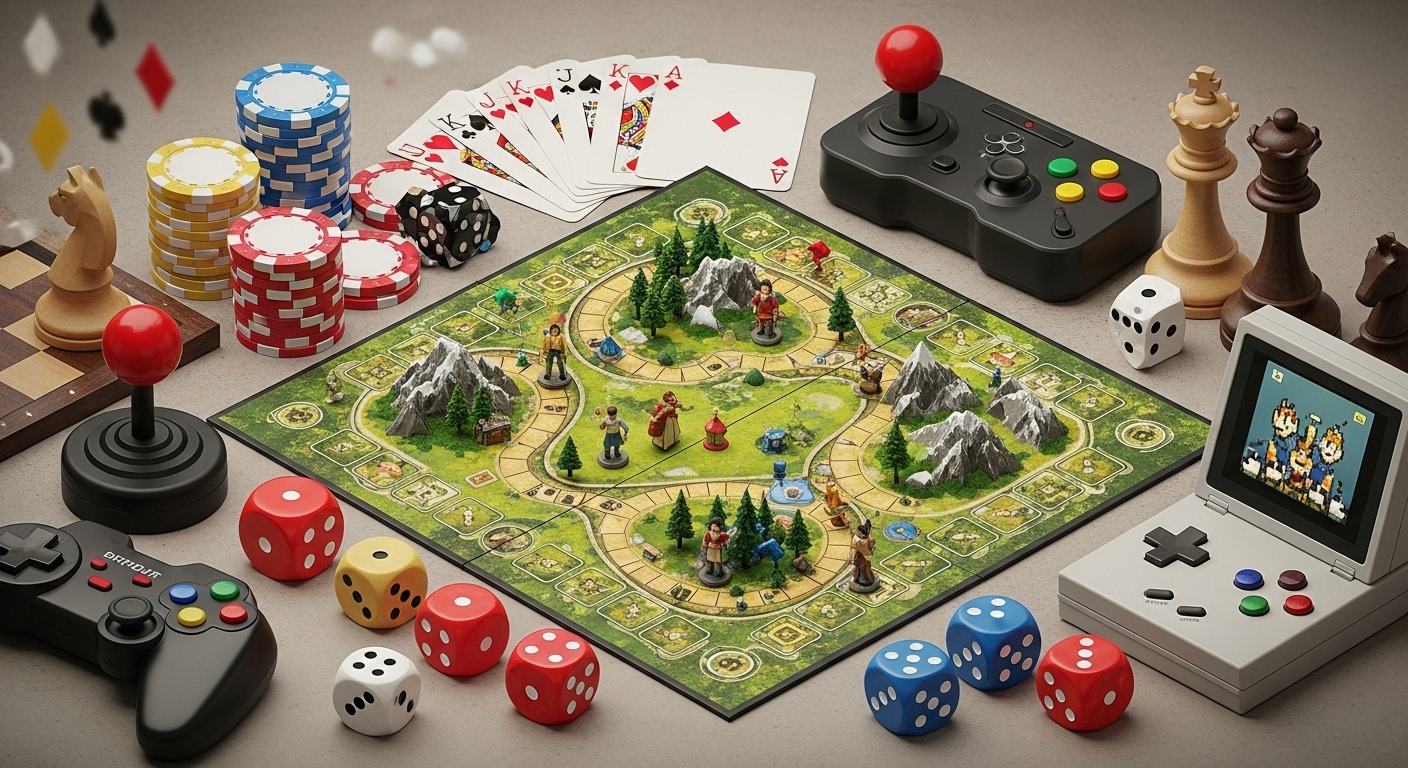
Games have evolved dramatically over time. In ancient civilizations, board games like Senet in Egypt and Go in China were not only pastimes but also tools for strategic thinking and social bonding. These early games relied on simple mechanics but offered complex challenges that stimulated the mind.
The twentieth century introduced video games, starting with simple arcade titles such as Pong and Space Invaders. As technology advanced, games became more sophisticated, with richer graphics, immersive stories, and interactive worlds. Modern games combine narrative, strategy, and creativity, offering experiences that rival those of books, films, and theater. This evolution has turned games into a cultural phenomenon with global reach.
Games as Storytelling: Interactive Narratives
One of the most fascinating aspects of modern games is their ability to tell interactive stories. Unlike traditional media, games place players at the center of the narrative. Choices, actions, and strategies directly affect the story, creating a personalized experience that engages both intellect and emotion.
Games now explore complex themes such as morality, identity, conflict, and social issues. Role-playing games, adventure titles, and simulation games allow players to experience different perspectives, fostering empathy and critical thinking. By combining gameplay with narrative, games have become powerful tools for communication, expression, and cultural storytelling.
The Rise of Multiplayer and Online Games
Multiplayer games have transformed the way people interact. Online gaming allows players to connect with friends and strangers around the world, creating virtual communities based on collaboration and competition. Multiplayer games encourage teamwork, strategy, and communication, while fostering social bonds that often extend beyond the screen.
Games like online battle arenas, cooperative survival games, and massively multiplayer online role-playing games (MMORPGs) provide dynamic social spaces where players collaborate, compete, and share experiences. These communities become more than just gaming platforms—they are digital spaces for creativity, friendship, and collective problem-solving.
Esports: Gaming as a Competitive Discipline
Esports has turned competitive gaming into a global phenomenon. Professional players train rigorously, compete in tournaments, and entertain millions of viewers worldwide. Esports demonstrates that gaming is not just entertainment—it is a skill-based discipline requiring strategy, practice, and mental fortitude.
Competitive gaming teaches valuable life skills, including teamwork, leadership, decision-making, and resilience. For many players, esports offers opportunities for careers in gaming, content creation, coaching, or event management. It also reinforces the idea that games can be both recreational and professional pursuits.
Creative Play: Modding, Level Design, and Game Development
Games offer more than consumption; they provide opportunities for creation. Many modern games allow players to modify content, design levels, and develop entirely new experiences. Modding communities have transformed games into collaborative creative platforms, allowing fans to expand, improve, and reinterpret existing titles.
Some players even turn their creativity into careers in game development, animation, or design. Creative gaming fosters imagination, problem-solving, and innovation, demonstrating that games are not only fun—they are tools for learning and self-expression.
Cognitive Benefits of Gaming
Contrary to outdated stereotypes, gaming provides numerous cognitive benefits. Strategy games improve critical thinking and problem-solving skills. Fast-paced action games enhance reflexes, hand-eye coordination, and spatial awareness. Puzzle games boost memory, logic, and analytical skills, while simulation games encourage planning and strategic foresight.
Even multiplayer games cultivate social intelligence, negotiation, and leadership abilities. These cognitive advantages often extend into real-life applications, making games a valuable resource for mental agility, education, and personal growth.
Emotional and Psychological Impact
Games also impact emotional and psychological well-being. They provide stress relief, relaxation, and a sense of accomplishment. Games allow players to experiment with identity, face challenges in safe environments, and experience emotional highs and lows without real-world consequences.
Online communities and cooperative games foster connection, support, and belonging. Players often report improved confidence, emotional resilience, and social engagement through their gaming experiences. Games are not just entertainment—they are platforms for emotional exploration and personal development.
Virtual Reality and the Future of Immersion
Virtual reality (VR) and augmented reality (AR) have opened new dimensions in gaming. VR immerses players in lifelike environments, while AR blends digital elements with real-world surroundings. These technologies create deeply interactive and immersive experiences, allowing players to explore, experiment, and engage in unprecedented ways.
As VR and AR evolve, games will become increasingly realistic and interactive. These innovations promise applications beyond entertainment, including education, therapy, training, and collaborative work, demonstrating the far-reaching potential of modern gaming.
Games as Cultural Phenomena
Games are now an essential part of global culture. Iconic franchises, characters, and narratives influence fashion, music, film, and literature. Gaming communities shape trends, humor, and social interaction, forming subcultures with their own language, traditions, and creative output.
Games also provide commentary on social issues, explore diverse perspectives, and reflect cultural values. They are a medium that entertains, educates, and inspires, making gaming a powerful force in shaping contemporary society.
Inclusivity and Accessibility in Gaming
Modern games increasingly prioritize inclusivity and accessibility. Developers create diverse characters, storylines, and experiences to reflect different cultures, genders, abilities, and identities. Accessibility features allow players with physical or cognitive challenges to enjoy games fully.
Inclusivity in gaming fosters empathy, representation, and participation. It ensures that everyone can enjoy the creative, social, and cognitive benefits of gaming, making it a medium that truly belongs to all players.
The Business of Gaming
Gaming is a major global industry, generating billions in revenue each year. From console and PC games to mobile apps, esports, streaming, and merchandising, the industry supports countless careers. Developers, designers, marketers, writers, artists, and event managers collaborate to bring games to life.
Competition drives innovation, ensuring that games continue to evolve with technology, culture, and audience preferences. Gaming is not just entertainment—it is a thriving, dynamic sector that shapes both cultural and economic landscapes.
The Future of Gaming
The future of gaming promises even greater creativity and innovation. Artificial intelligence will make game worlds more adaptive and responsive. Cloud gaming will provide instant access to high-quality experiences across devices. VR and AR will expand immersion, and interactive storytelling will create more personalized experiences.
Gaming will continue to influence education, mental health, professional development, and social interaction. The potential for creativity, connection, and skill-building ensures that games will remain a vital part of human experience for generations to come.
Conclusion: The Enduring Power of Games
Games are far more than a way to pass the time. They are a reflection of human creativity, culture, and intelligence. They entertain, educate, connect, and inspire. From ancient board games to modern virtual worlds, games have consistently shaped how people think, feel, and interact.
In today’s world, gaming is a multifaceted medium that blends artistry, technology, and social engagement. It fosters cognitive development, emotional growth, creativity, and community. As technology continues to advance, games will become more immersive, inclusive, and impactful.
Ultimately, games are not just a pastime—they are a powerful force for expression, learning, and human connection. They remind us that play is a fundamental part of life, and through play, we continue to explore, create, and grow.