Introduction: The Universal Language of Games
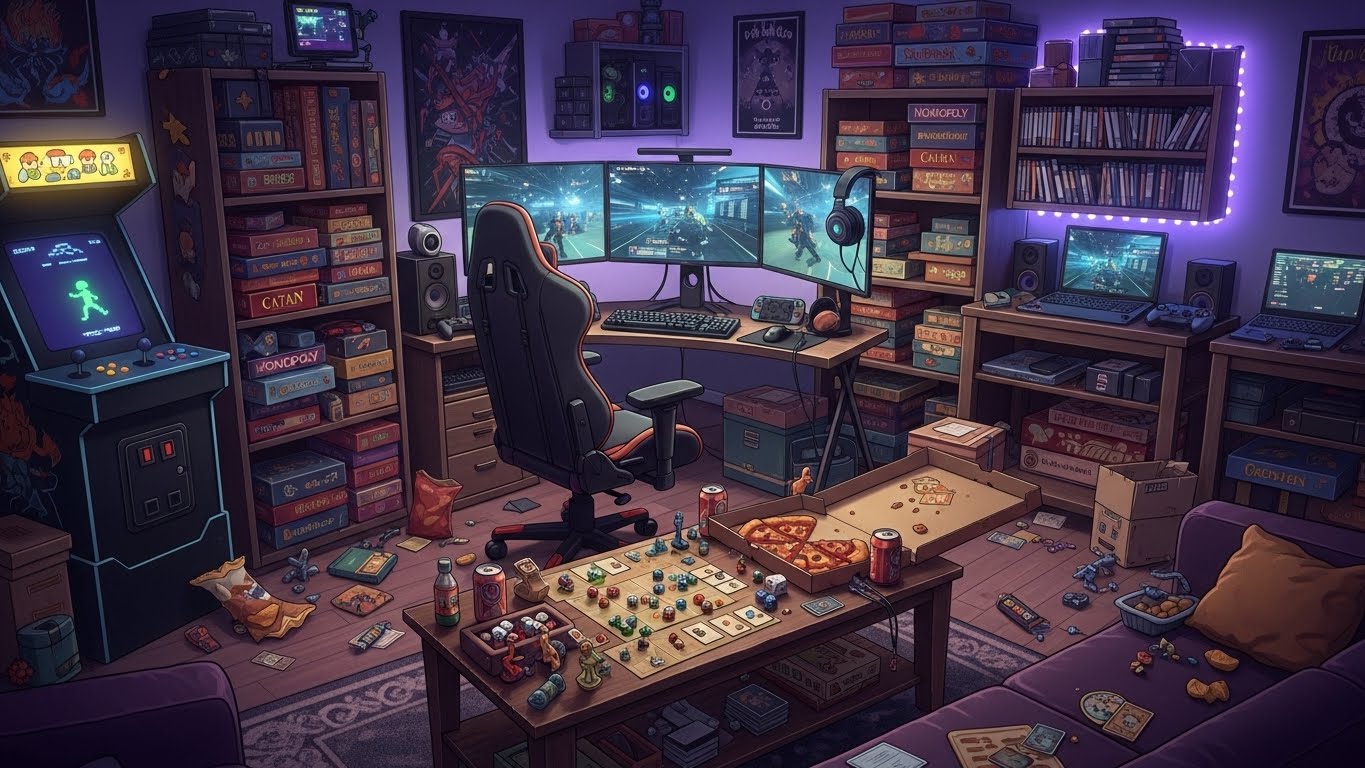
Games have been an integral part of human culture for thousands of years. From ancient board games like Senet in Egypt to modern video games and sports, games are not just entertainment—they are a reflection of human creativity, strategy, and social interaction. Games provide opportunities for learning, challenge, and collaboration, while also serving as a mirror for culture and society. This blog explores the multidimensional role of games in shaping individuals, communities, and even global culture.
The History and Evolution of Games
Games are as old as civilization itself. Ancient societies created games not only for leisure but also for education, strategic training, and social bonding. Chess, dating back over a thousand years, was used to teach strategy and warfare. Board games, dice, and puzzles evolved in parallel across cultures, each reflecting local values and philosophies.
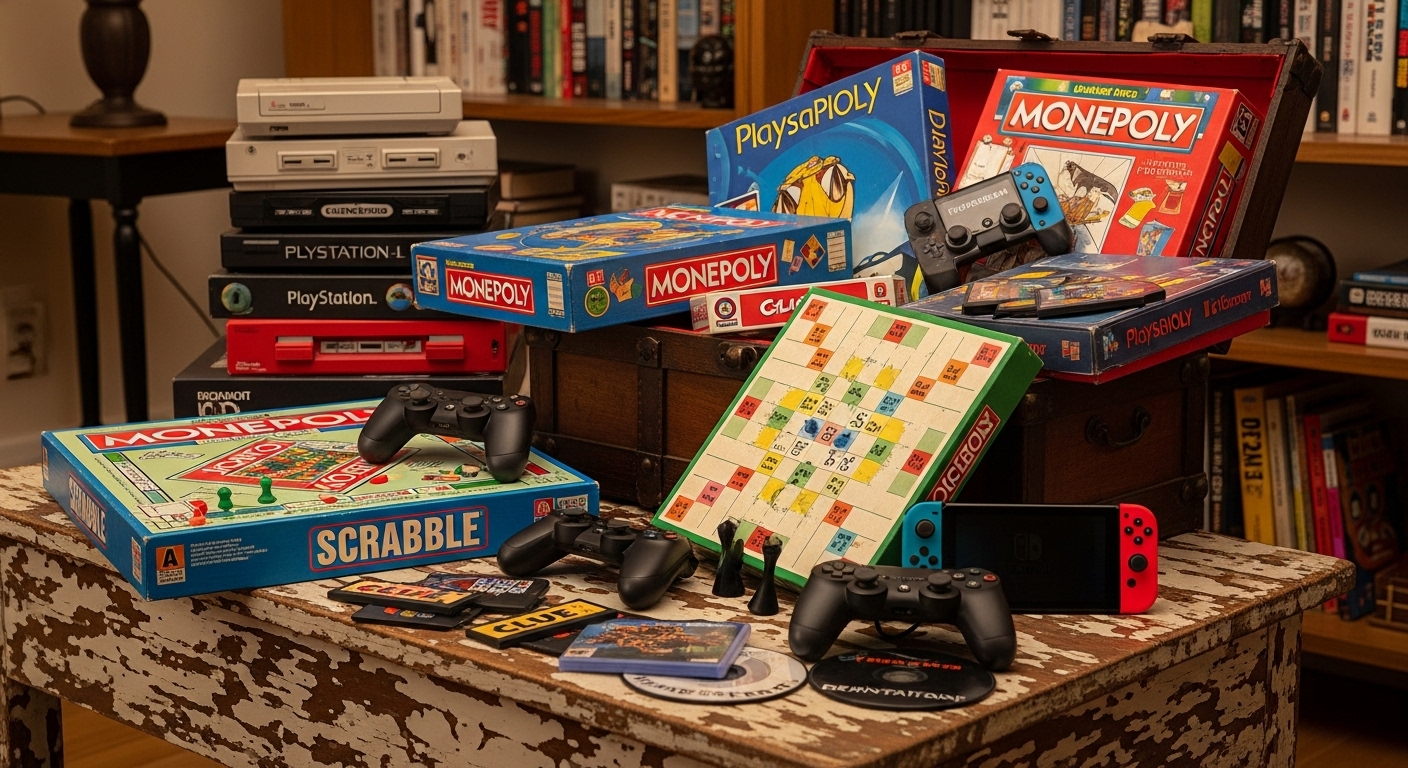
With technological advancements, games transformed dramatically. The 20th century introduced card games, tabletop role-playing games, and eventually digital video games. Modern games, whether physical, tabletop, or digital, combine storytelling, strategy, and skill to create immersive experiences. The evolution of games demonstrates humanity’s enduring desire for challenge, interaction, and imaginative engagement.
Cognitive Benefits of Playing Games
Games are not just entertainment—they are mental workouts. Strategic games like chess, Sudoku, or strategy-based video games enhance critical thinking, problem-solving, and decision-making skills. Players learn to analyze situations, plan ahead, and anticipate opponents’ moves.
Puzzle games and brain-training games improve memory, attention, and spatial reasoning. Role-playing and simulation games encourage creativity and scenario-based thinking, allowing players to experiment with solutions in safe environments. Regular engagement with games strengthens cognitive flexibility and enhances the ability to think under pressure.
Physical Benefits and Active Games
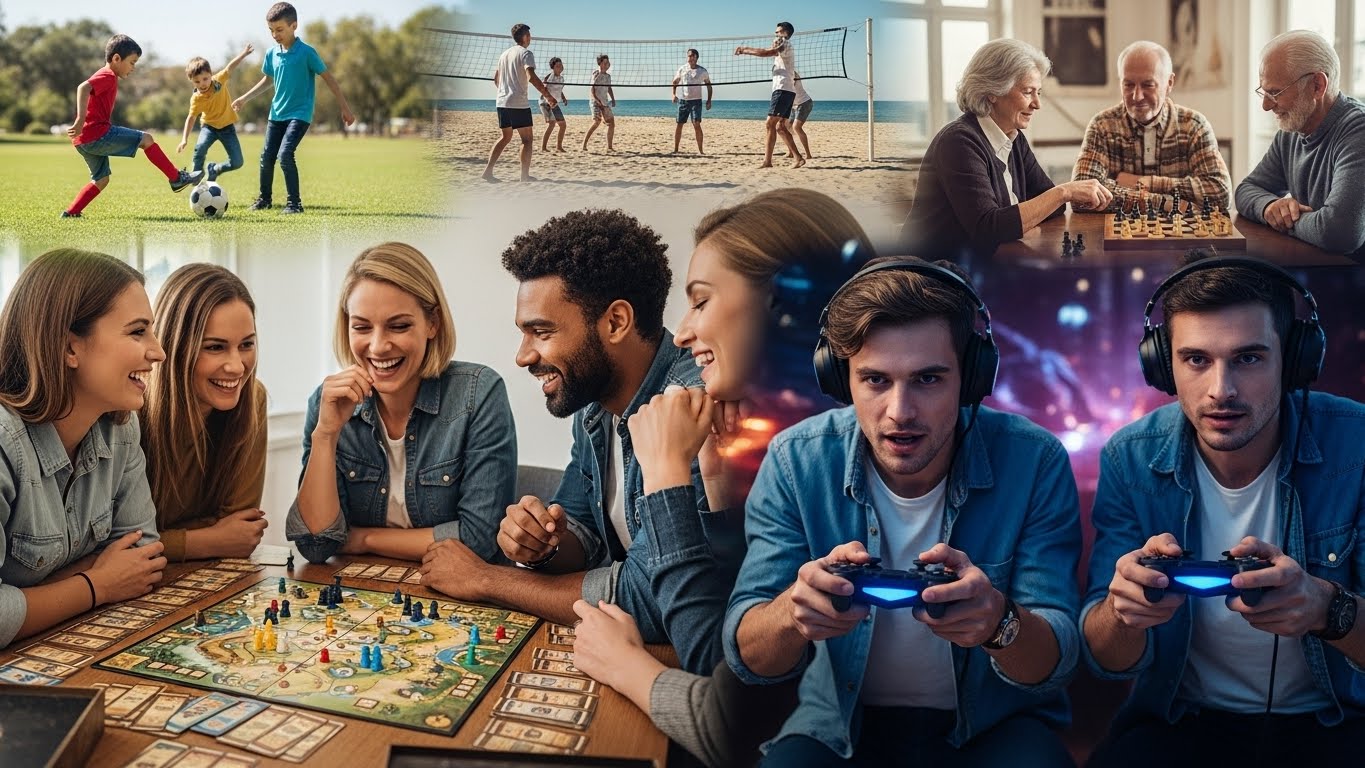
Not all games are sedentary. Physical games and sports improve cardiovascular health, strength, coordination, and agility. Active games, whether played in a park, backyard, or gym, promote fitness while also developing teamwork, discipline, and perseverance.
Movement-based video games, augmented reality experiences, and interactive simulations combine physical activity with digital play, encouraging a healthy balance between screen time and exercise. These games help players build stamina, improve reflexes, and maintain overall well-being.
Games as a Tool for Learning
Games are powerful educational tools. Through interactive play, learners develop skills such as logic, reasoning, and creativity. Educational games teach mathematics, language, history, and science in an engaging and memorable way. Gamified learning uses rewards, levels, and challenges to motivate learners and improve retention.
Simulation games and strategy-based games allow learners to experiment in safe environments, enhancing problem-solving and decision-making skills. Educational games provide not only knowledge but also confidence, critical thinking, and adaptability, making learning a dynamic experience.
The Social Impact of Games
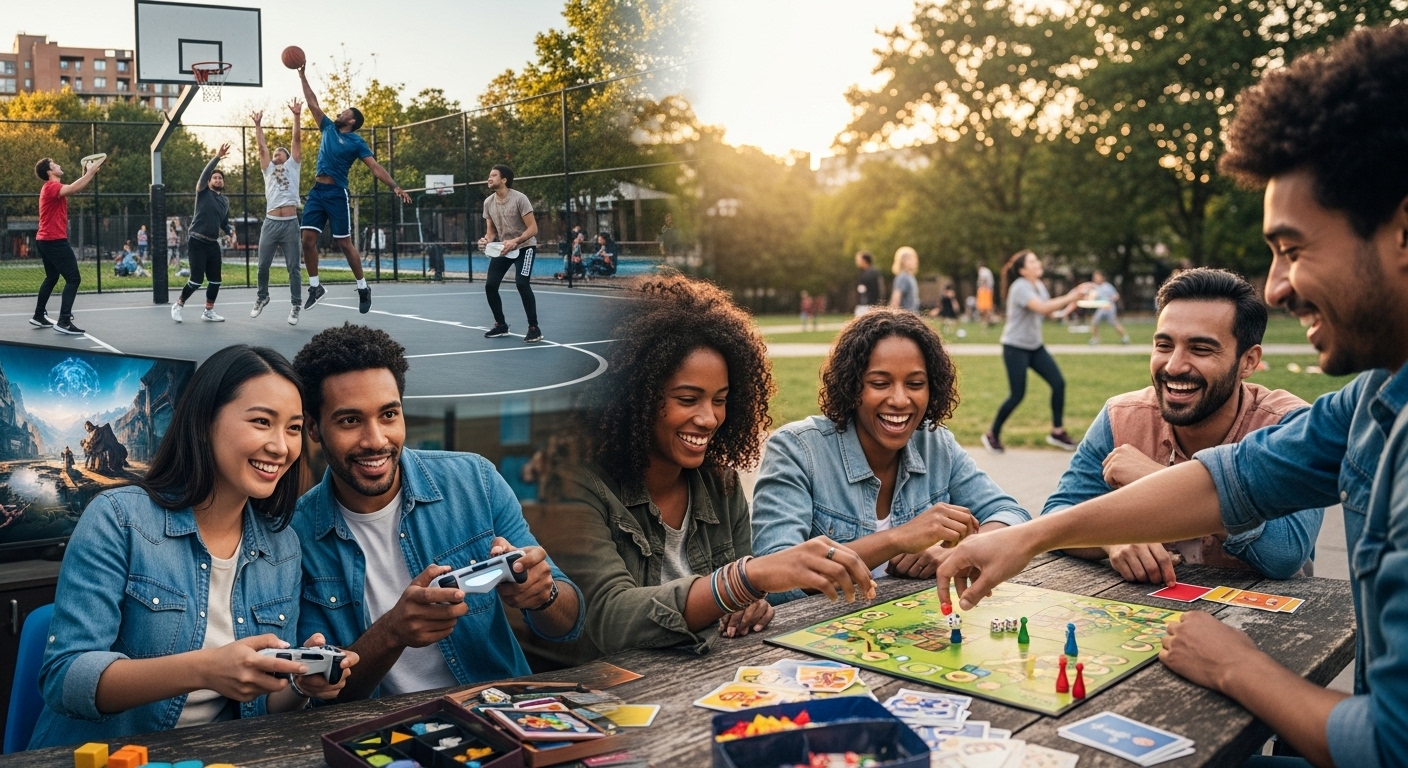
Games are inherently social. Multiplayer games, team-based sports, and community tournaments foster communication, collaboration, and mutual respect. Players develop social skills, empathy, and leadership abilities as they navigate teamwork and competition.
Games also provide a platform for community-building. Online forums, gaming clubs, and social media groups allow players to share experiences, strategies, and achievements. Communities formed around games are diverse, inclusive, and global, connecting people across age, culture, and geography.
Games and Emotional Development
Playing games is not just a cognitive or social activity; it is also an emotional journey. Games teach resilience, patience, and the ability to handle both victory and defeat. Experiencing challenges and overcoming obstacles in games strengthens self-confidence and emotional intelligence.
Story-driven games immerse players in narratives that encourage empathy, moral reasoning, and perspective-taking. Emotional engagement in games helps individuals explore feelings, understand consequences, and develop problem-solving strategies that extend beyond the game itself.
The Cultural Significance of Games
Games reflect cultural values and traditions. Traditional games, from Mancala in Africa to Go in East Asia, carry historical, social, and philosophical significance. Modern digital games often integrate storytelling, mythology, and art, creating cultural experiences that resonate globally.
Games also influence popular culture. Characters, storylines, and in-game worlds inspire fashion, music, film, and art. Gamers participate in a global culture that blends entertainment with creativity, innovation, and cultural exchange, making games a powerful medium of expression.
Economic Influence of the Gaming Industry
The gaming industry is a major economic force. Video games, board games, mobile apps, and esports generate billions in revenue globally. Game development creates employment opportunities in programming, design, art, storytelling, sound engineering, marketing, and event management.
Games also stimulate ancillary industries. Streaming, competitive gaming tournaments, merchandise, and digital content creation expand the economic ecosystem surrounding games. The financial impact of gaming underscores its significance beyond entertainment, establishing it as a critical component of modern economies.
Technological Innovation in Games
Technology has revolutionized how games are created and experienced. High-performance hardware, immersive graphics, virtual reality, augmented reality, and AI-driven gameplay enhance realism, strategy, and interactivity. Cloud gaming and mobile platforms make games accessible to broader audiences, while online connectivity enables global multiplayer experiences.
Innovation in gaming technology also influences other sectors. Simulation tools, AI development, and interactive media used in games have applications in education, healthcare, architecture, and business, demonstrating the broader technological impact of gaming.
Games and Personal Growth
Games are powerful tools for personal development. They teach patience, perseverance, strategic thinking, and ethical decision-making. Competitive play encourages goal-setting, self-discipline, and continuous improvement.
Games also offer safe spaces for experimentation, creativity, and risk-taking. Players can explore new identities, solve complex problems, and navigate moral dilemmas in virtual environments. Through these experiences, games contribute to the development of well-rounded, adaptive, and resilient individuals.
Games as a Platform for Creativity
Many games encourage creativity. Sandbox games, role-playing games, and simulation games allow players to build worlds, create characters, and design strategies. These experiences enhance imaginative thinking and problem-solving abilities.
Games also inspire creativity beyond play. Players often produce fan art, music, stories, and videos based on game worlds. Creative engagement with games fosters innovation, self-expression, and collaborative creation, highlighting games as a catalyst for artistic and intellectual growth.
Inclusivity and Accessibility in Games
Games have the potential to be inclusive and accessible. Unlike many traditional activities, games can accommodate players of different ages, abilities, and backgrounds. Adaptive games, accessibility features, and online platforms allow everyone to participate.
Inclusion in games encourages diversity, empathy, and cultural exchange. Players from different countries and communities collaborate, compete, and learn from one another, demonstrating how games can bridge social and cultural gaps while promoting equality and understanding.
Challenges and Responsible Gaming
While games offer numerous benefits, excessive or unregulated play can lead to negative outcomes, including addiction, social isolation, or physical strain. Responsible gaming, including time management, balanced play, and healthy habits, is essential for long-term well-being.
Developers, educators, and parents play a key role in promoting safe gaming practices. Establishing guidelines, fostering awareness, and encouraging moderation ensures that games remain a positive force in cognitive, social, and emotional development.
The Future of Games
The future of games is expansive and exciting. Emerging technologies like virtual reality, augmented reality, and AI will redefine gameplay, interaction, and learning. Social connectivity and online platforms will continue to enable global collaboration and competition.
Games will increasingly integrate educational, social, and professional applications, creating hybrid experiences that combine entertainment with personal growth and skill development. The future promises a gaming landscape that is immersive, inclusive, and transformative, influencing culture, economy, and society.
Conclusion: The Enduring Power of Games
Games are more than pastimes—they are tools for growth, learning, and connection. They enhance cognitive skills, physical abilities, and emotional intelligence. Games foster creativity, cultural exchange, and community, while also driving economic growth and technological innovation.
Whether through traditional board games, sports, video games, or esports, games offer opportunities to challenge oneself, collaborate with others, and explore new worlds. Their enduring power lies in their ability to entertain, educate, and inspire. In every roll of the dice, every strategic move, or every digital quest, games continue to shape human minds, culture, and society in profound ways.