Introduction: The Universal Language of Games
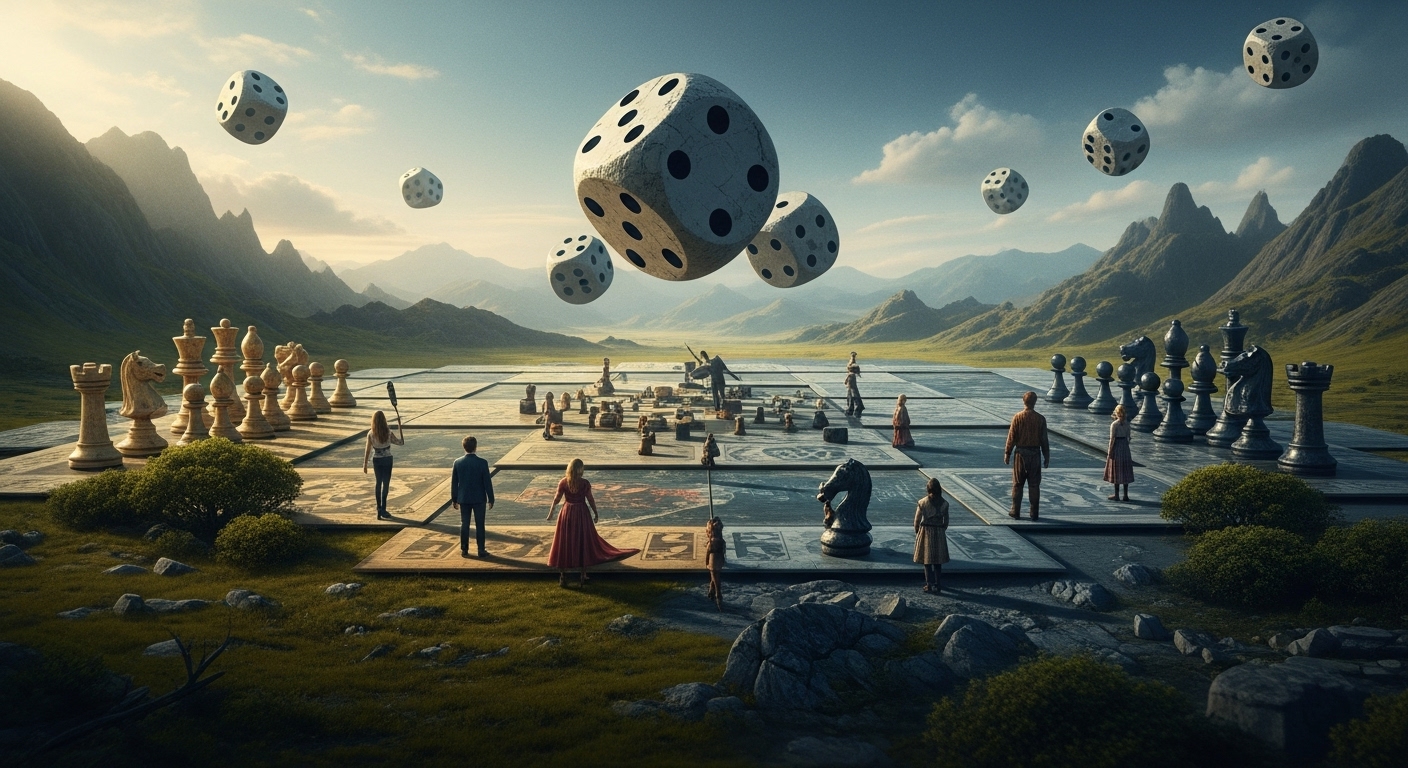
Games have always been a fundamental part of human culture. From ancient civilizations to modern digital worlds, games have provided entertainment, social connection, and intellectual stimulation. They are more than just leisure activities; they are cultural artifacts, tools for education, and even professional pursuits. In the modern era, the gaming industry has grown into a global powerhouse, transforming the way people engage with technology, storytelling, and each other. Understanding the evolution of games reveals not only the history of human creativity but also the future of interactive entertainment.
The Origins of Games
The history of games stretches back thousands of years. Ancient societies created board games such as Senet in Egypt, Go in China, and Mancala in Africa. These early games served multiple purposes, from entertainment to strategy training, and even spiritual or educational functions. As societies evolved, so did games. Card games, dice, and recreational sports became popular across cultures. The rise of arcades and early video game consoles in the late twentieth century marked the beginning of a new era, combining technology with interactive play and setting the stage for the modern gaming industry.
Video Games: A Digital Revolution
The advent of video games revolutionized the concept of play. Early titles like Pong, Space Invaders, and Pac-Man introduced simple graphics and gameplay mechanics that captivated audiences worldwide. With technological advancements, games became more complex, offering rich narratives, immersive environments, and sophisticated mechanics. Modern video games, from open-world adventures to strategy simulations, provide players with experiences rivaling traditional storytelling mediums. They challenge reflexes, strategic thinking, and creativity, making them a unique form of interactive entertainment that appeals to millions globally.
The Rise of Online and Multiplayer Gaming
The internet has transformed gaming by enabling multiplayer experiences that connect players worldwide. Massively multiplayer online games (MMOs) such as World of Warcraft and Final Fantasy XIV allow thousands of players to interact, compete, and collaborate in shared virtual worlds. Online multiplayer gaming has created global communities where teamwork, communication, and strategy are essential. This connectivity has changed gaming from a solitary activity into a social experience, allowing players to forge friendships, participate in global tournaments, and engage in collaborative storytelling.
Mobile Gaming: Entertainment on the Go
The proliferation of smartphones and tablets has made gaming accessible to virtually everyone. Mobile games range from casual puzzle games to complex role-playing adventures, catering to diverse audiences. Titles like Candy Crush, Clash of Clans, and mobile adaptations of popular console games demonstrate the appeal and versatility of mobile gaming. Push notifications, social sharing, and in-app events further enhance engagement. Mobile gaming has democratized access, allowing people to play anywhere and anytime, fundamentally altering the landscape of interactive entertainment.
Esports: Competitive Gaming at a Professional Level
Esports, or competitive gaming, has emerged as a major force in the gaming industry. Professional players and teams compete in tournaments for games such as League of Legends, Dota 2, and Counter-Strike: Global Offensive. Esports events attract millions of viewers online and in arenas worldwide, with significant prize pools and sponsorship deals. The rise of esports has transformed gaming into a legitimate professional pursuit, requiring rigorous training, strategic thinking, and teamwork. It has also created a new form of entertainment that rivals traditional sports in popularity and cultural influence.
Educational and Cognitive Benefits of Gaming
Games are not only entertaining but also educational. Educational games and simulations teach critical thinking, problem-solving, and decision-making skills. They can be applied in classrooms, corporate training, and skill development programs. Strategy games improve planning and analytical abilities, while puzzle games enhance memory and cognitive flexibility. Gamification, the application of game mechanics in non-gaming contexts, is increasingly used to motivate learning, improve productivity, and enhance engagement. This demonstrates that games have value beyond recreation, contributing to intellectual and personal development.
The Social and Cultural Impact of Games
Games play a significant role in shaping culture and social interaction. Online communities, streaming platforms, and gaming forums allow players to connect, share experiences, and exchange strategies. Games influence popular culture, inspiring movies, books, music, and fashion. They serve as platforms for storytelling, artistic expression, and social commentary. Through immersive narratives and interactive experiences, games can explore complex themes such as morality, identity, and society, making them a culturally significant medium that reflects and shapes human values.
The Psychology of Gaming
Understanding the psychological appeal of games helps explain their popularity. Games provide challenges, goals, and feedback that create a sense of accomplishment and satisfaction. They stimulate creativity, strategic thinking, and problem-solving, while also offering stress relief and relaxation. Multiplayer and online games foster social interaction and community engagement, contributing to emotional well-being. The psychology of gaming highlights its ability to combine entertainment with personal growth, creating experiences that are both enjoyable and meaningful.
Technological Advancements in Gaming
Modern games rely on cutting-edge technology to create immersive experiences. Graphics engines, artificial intelligence, and physics simulations bring virtual worlds to life. Virtual reality and augmented reality allow players to interact with game environments in entirely new ways. Cloud gaming platforms provide high-quality experiences without the need for expensive hardware. These technological advancements ensure that gaming continues to evolve, offering increasingly sophisticated, realistic, and interactive experiences for players.
Gaming as a Career and Industry
The gaming industry has grown into a multi-billion-dollar global market, offering diverse career opportunities. Professional gaming, streaming, game development, design, and marketing are just a few of the pathways available. Platforms such as Twitch and YouTube Gaming allow individuals to monetize gameplay, build communities, and become influential content creators. Game development requires a combination of creativity, technical skill, and storytelling ability, demonstrating the multifaceted nature of careers in this field. Gaming is no longer solely a hobby—it is a professional and economic force.
Challenges in the Gaming Industry
Despite its growth, the gaming industry faces several challenges. Concerns about addiction, excessive screen time, and online harassment remain significant. Game developers must balance monetization strategies, ethical considerations, and user satisfaction. Inclusivity and representation are ongoing issues, with increasing attention to diversity in characters, storylines, and workplace culture. Addressing these challenges is essential to ensure that gaming remains a safe, inclusive, and enjoyable activity for all players.
The Future of Gaming
The future of gaming is full of innovation and potential. Advances in artificial intelligence, virtual and augmented reality, and cloud gaming promise even more immersive and interactive experiences. Games will increasingly integrate with social media, education, and professional development. Esports will continue to grow in prominence, attracting new audiences and sponsors worldwide. As gaming technology evolves, it will continue to blur the lines between entertainment, social interaction, and cultural expression, shaping the way people play, learn, and connect.
Conclusion: The Enduring Impact of Games
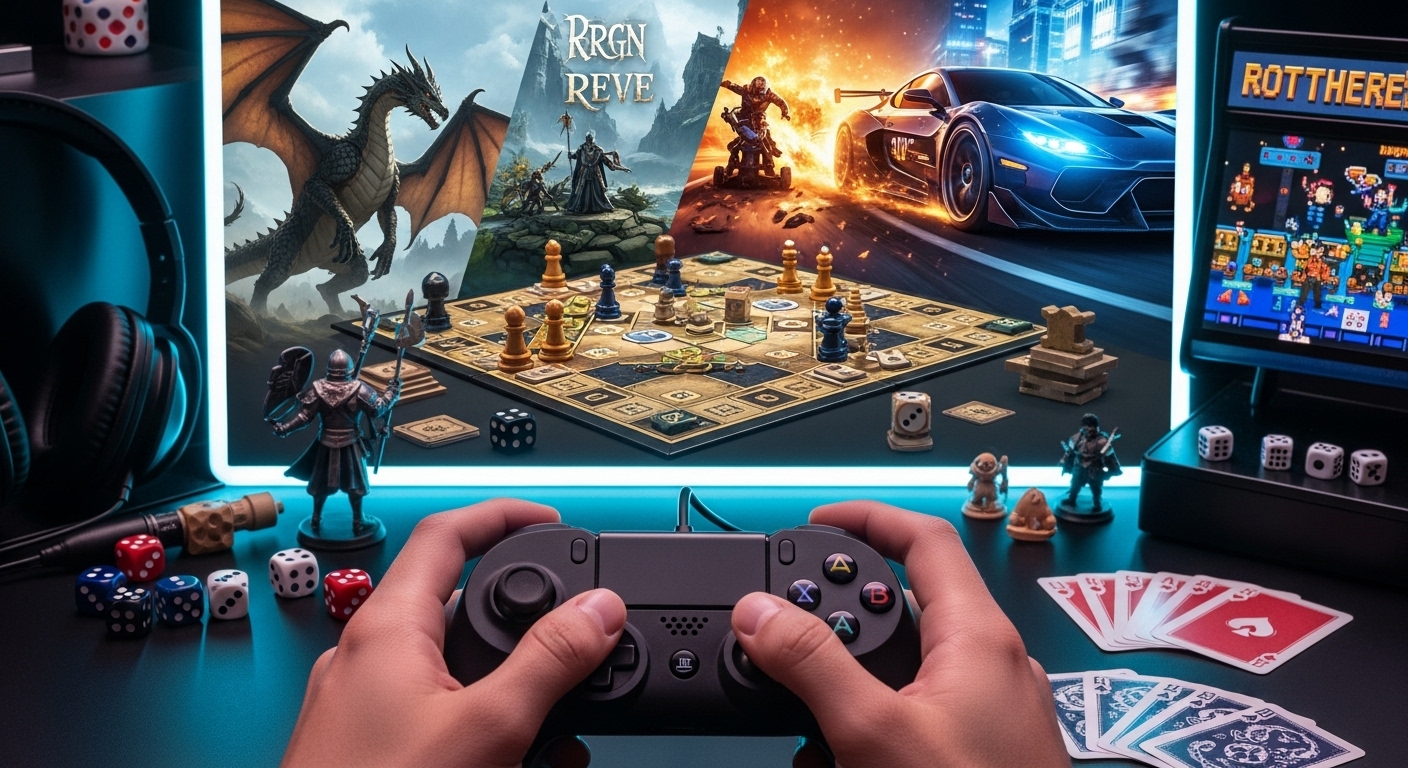
Games have evolved from simple pastimes into complex cultural, social, and technological phenomena. They entertain, educate, and connect people across the globe. From ancient board games to modern video games, mobile apps, and esports, gaming reflects human creativity, innovation, and social interaction. It challenges players intellectually, socially, and emotionally while providing a platform for storytelling and artistic expression. As technology continues to advance, games will remain an essential part of human culture, shaping entertainment, education, and community in the years to come.