Introduction
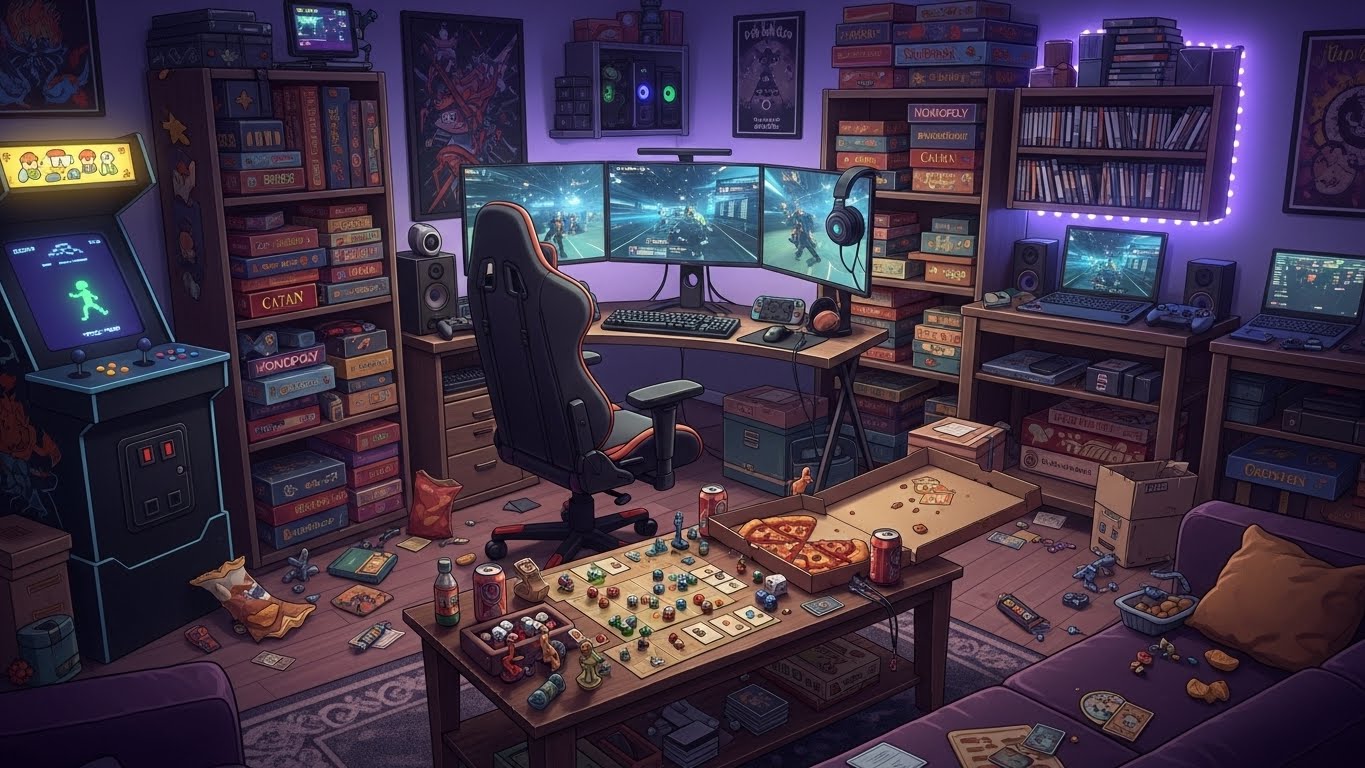
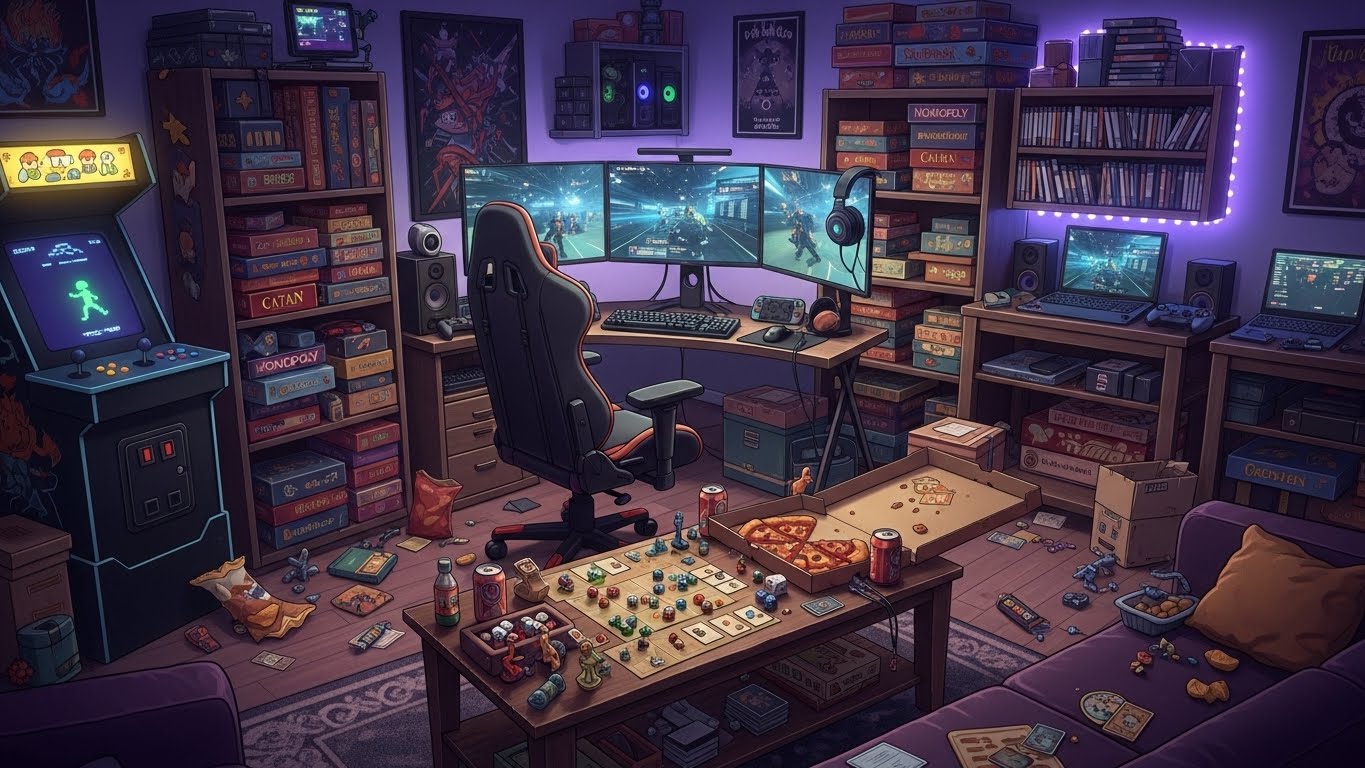
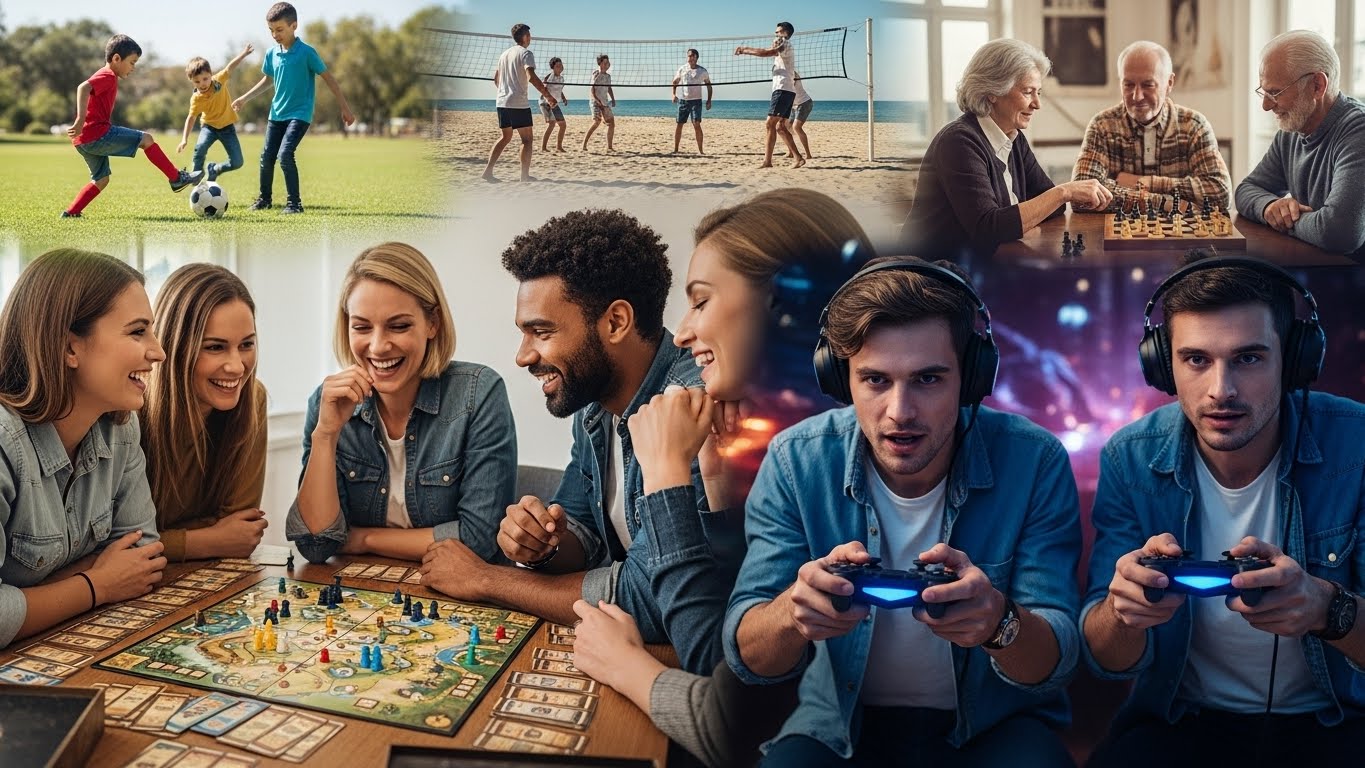
Games have been part of human culture since the earliest days of civilization. What began as simple physical contests and board games has evolved into a vast universe of digital experiences that entertain, educate, and connect people across the globe. In today’s world, gaming is not just a pastime but a defining feature of modern entertainment. From children playing mobile puzzles to professionals competing in international esports tournaments, games influence how we think, interact, and imagine.
The modern gaming industry combines art, technology, storytelling, and psychology into a single creative force. It transcends boundaries of language, age, and geography, offering experiences that engage both the mind and emotions. This blog explores the journey of gaming, its technological evolution, social impact, economic significance, and the exciting future it holds in shaping human creativity.
The Evolution of Gaming: From Simple Fun to Digital Wonders
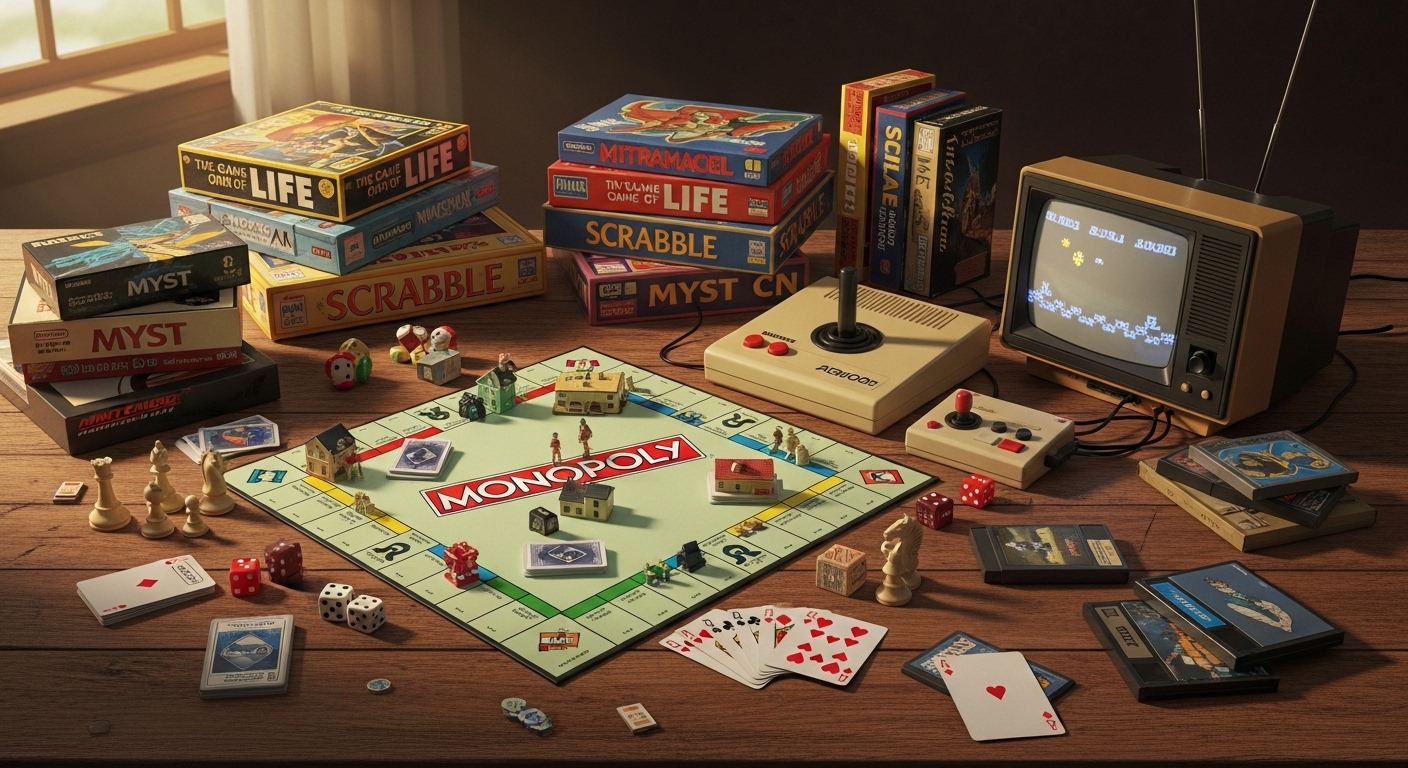
The history of games stretches back thousands of years. Ancient civilizations played games using stones, sticks, and boards, not merely for entertainment but also as a form of learning and social interaction. Chess and Go, for instance, taught strategy and patience long before video games existed.
The real transformation began in the mid-20th century with the invention of computer technology. The first video game, “Tennis for Two,” created in 1958, was a simple simulation, yet it sparked an era of innovation. The 1970s saw the birth of arcade games like “Pong” and “Space Invaders,” introducing the idea of electronic entertainment to the masses.
By the 1980s and 1990s, home consoles like the Nintendo Entertainment System and Sega Genesis turned gaming into a household phenomenon. The rise of personal computers added another dimension, enabling more complex storytelling and strategy-based gameplay. Fast forward to today, and games have become immersive, cinematic experiences that rival Hollywood productions in creativity and scope.
Technology as the Backbone of Modern Gaming
Technology has driven every leap in gaming history. Modern games are built on powerful engines that render lifelike graphics, simulate real physics, and deliver seamless online experiences. Virtual reality (VR) and augmented reality (AR) have taken immersion to the next level, placing players directly inside digital worlds.
Artificial intelligence (AI) has also revolutionized how games are designed and played. Non-playable characters (NPCs) now exhibit realistic behaviors and respond intelligently to player actions, making every playthrough unique. Machine learning helps developers understand player preferences, allowing for personalized experiences and balanced gameplay.
Cloud gaming is another major innovation. It allows players to stream games directly from servers without needing high-end hardware. This accessibility is expanding the gaming audience to people who previously lacked the resources to participate.
The Art of Storytelling in Games
One of the most fascinating aspects of gaming is its ability to tell stories in interactive ways. Unlike films or books, games allow players to become part of the narrative, making choices that influence the outcome. Story-driven titles such as role-playing games (RPGs) or adventure games immerse players emotionally, blurring the line between player and protagonist.
Narrative-driven games have proven that gaming is a legitimate form of art. They use music, visual design, dialogue, and interactivity to evoke emotion and provoke thought. Some games tackle complex themes such as morality, identity, love, and loss, offering experiences that stay with players long after they finish.
The Social Power of Gaming
Gone are the days when gaming was seen as a solitary activity. Today, games are social platforms where people meet, communicate, and collaborate. Online multiplayer games connect millions of players worldwide, building communities that thrive on teamwork, competition, and friendship.
Games like cooperative shooters, massive multiplayer online role-playing games (MMORPGs), and battle royale titles bring players together in virtual arenas where cooperation and strategy are key. Social interaction is often just as important as the gameplay itself.
Moreover, gaming has given rise to new social spaces like live-streaming platforms where players share their experiences in real time. These digital communities have created influencers, professional gamers, and even celebrities who make careers out of their passion for play.
The Economic Impact of the Gaming Industry
The gaming industry has become one of the most powerful economic forces in the entertainment sector. It now surpasses the combined revenues of music and film industries. With billions of players globally, gaming contributes significantly to employment, innovation, and cultural exchange.
Game development studios employ thousands of designers, writers, artists, programmers, and marketers. The rise of esports has turned gaming into a spectator sport, drawing massive audiences and sponsorship deals. Tournaments offer multi-million-dollar prize pools, and professional players train rigorously to achieve peak performance.
Mobile gaming has also opened new revenue streams, making gaming accessible to people from all economic backgrounds. In-app purchases, cosmetic items, and seasonal content have transformed how games generate income while keeping players engaged.
The Psychological Benefits and Challenges of Gaming
Gaming is often misunderstood as merely a form of escapism, but research shows that it can offer numerous psychological benefits. Games improve cognitive functions like problem-solving, memory, and multitasking. They also foster creativity and enhance decision-making skills. Strategy and puzzle games challenge the brain, while simulation games teach management and planning.
Social games help people build friendships and develop teamwork abilities. Cooperative gameplay strengthens communication and leadership skills. For many, gaming provides a sense of achievement and stress relief. It can also serve as a therapeutic tool, helping people cope with anxiety or depression through structured engagement and social connection.
However, like any form of entertainment, gaming must be approached with balance. Excessive play can lead to addiction, isolation, and neglect of responsibilities. Recognizing this, the industry and researchers emphasize the importance of healthy gaming habits, parental guidance, and time management.
Diversity and Inclusion in Gaming
In recent years, the gaming industry has made strides toward embracing diversity and inclusion. Developers are creating games that reflect a wider range of cultures, genders, and identities. Representation matters, and players are increasingly drawn to games that feature relatable characters and inclusive storylines.
Women, once underrepresented in gaming, now play a significant role both as players and professionals. The rise of female developers, streamers, and esports competitors is reshaping perceptions of what gaming culture looks like. Similarly, games that include multicultural and LGBTQ+ narratives have enriched the medium’s emotional depth and global reach.
The Role of Education and Serious Games
Beyond entertainment, gaming has found its place in education and professional training. Educational games make learning fun by transforming complex subjects into interactive experiences. History, mathematics, and science can all be taught through gameplay that encourages curiosity and problem-solving.
Serious games — designed for training or awareness — are used by companies, militaries, and healthcare institutions to simulate real-world situations. These games provide safe environments for learning skills and making critical decisions. Gamification, the application of game elements in non-game contexts, has also influenced workplaces and classrooms by increasing motivation and engagement.
The Future of Gaming: Innovation and Imagination Unleashed
The future of gaming is a thrilling frontier of creativity and technology. As hardware and software continue to evolve, the possibilities for immersive experiences grow exponentially. Virtual reality, augmented reality, and artificial intelligence are set to redefine how people interact with digital worlds.
The concept of the metaverse — a shared virtual universe — is gaining momentum. In such spaces, players can live, work, and play in interconnected environments that blur the boundaries between the physical and digital worlds. Games will likely form the foundation of these virtual societies, offering endless possibilities for social and economic interaction.
Artificial intelligence will continue to shape how games are developed and experienced. AI can adapt gameplay in real time, analyze player emotions, and create dynamic storylines that evolve with each choice made.
Additionally, as sustainability becomes a global priority, the gaming industry is exploring eco-friendly practices such as energy-efficient consoles and digital-only releases to reduce environmental impact.
Gaming as a Reflection of Humanity
At its core, gaming is a reflection of human creativity, curiosity, and the desire to connect. Every game tells a story — not just of its characters but of the people who play it. Whether it is the challenge of solving a puzzle, the teamwork required to win a battle, or the joy of exploring new worlds, gaming mirrors the fundamental aspects of life itself.
Through competition, cooperation, and exploration, games teach valuable lessons about perseverance, innovation, and empathy. They show that even in virtual spaces, human emotion and imagination remain central to the experience.
Conclusion
Games have evolved far beyond entertainment. They have become an essential part of culture, art, and technology. They influence how people learn, communicate, and see the world. From ancient board games to futuristic virtual realities, gaming has always been a mirror of human progress and imagination.
As technology continues to advance, the potential of gaming will only expand further. It will inspire new generations of creators, thinkers, and dreamers who see games not just as a hobby but as a canvas for storytelling, innovation, and connection. In the end, gaming is more than play — it is a celebration of human creativity and the endless possibilities of the digital age.