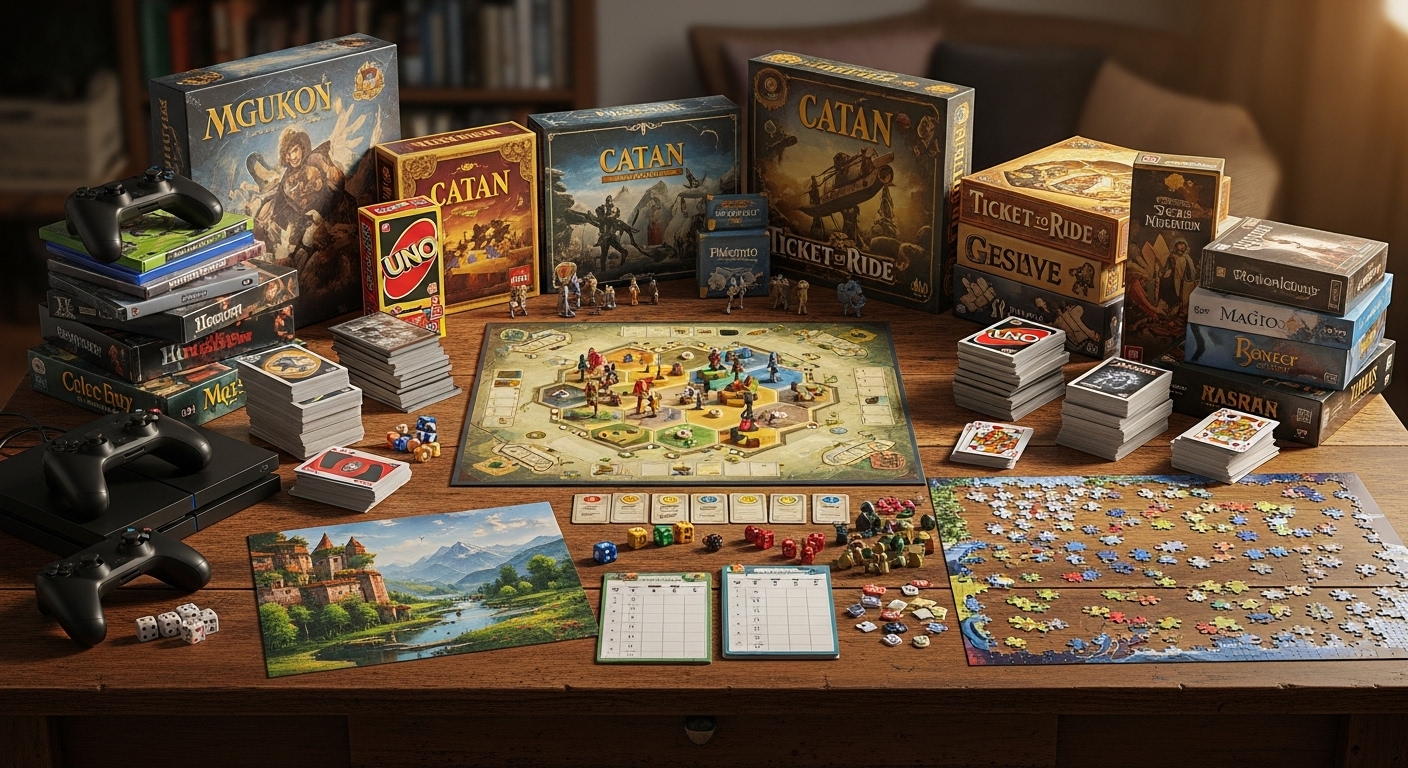
Gaming has evolved from a niche hobby to a global phenomenon, captivating millions of people across the globe. From the early days of pixelated arcade games to the immersive virtual worlds of today, the gaming industry has undergone a remarkable transformation. Today, gaming is not just a form of entertainment; it’s a cultural movement, a social experience, and even a competitive sport. This blog post will delve into the evolution of gaming, its impact on culture, its rise as an industry, and what the future holds for this dynamic medium.
The Beginnings of Gaming: From Arcades to Consoles
The history of video games dates back to the 1950s, but it wasn’t until the 1970s that they became a significant part of mainstream culture. The first widely recognized video game, Pong, was created by Atari in 1972. It was a simple, two-dimensional table tennis game that captured the attention of both young and old, eventually leading to the establishment of arcade gaming centers. Arcades, where players could gather to compete for high scores, became social hubs during the late 1970s and 1980s.
As technology improved, home consoles like the Atari 2600 were introduced in the late 1970s, giving players the ability to play games in their own homes. This shift made gaming more accessible and affordable. Throughout the 1980s, gaming continued to evolve with the introduction of the Nintendo Entertainment System (NES) in 1985 and the Sega Genesis a few years later. These consoles paved the way for more sophisticated gaming experiences, with iconic titles like Super Mario Bros., The Legend of Zelda, and Sonic the Hedgehog becoming cultural staples.
The Emergence of Personal Computers and PC Gaming
While consoles dominated living rooms, personal computers (PCs) opened up a new frontier for gaming. The 1990s saw the rise of PC gaming with titles like Doom, Warcraft, and The Sims, which pushed the boundaries of graphics, gameplay, and storytelling. The mouse and keyboard interface, along with the increasing power of computer hardware, allowed for more complex and immersive games.
PC gaming also birthed the concept of online multiplayer gaming, with titles like Quake and Counter-Strike laying the groundwork for the multiplayer gaming experience that would later become so ubiquitous. The internet allowed players from around the world to connect and compete in virtual environments, giving rise to the era of esports and online communities.
The Modern Gaming Landscape: Consoles, Mobile, and PC
Today, gaming is more accessible than ever, with a diverse range of platforms catering to players of all tastes and budgets. While consoles, personal computers, and mobile devices each offer unique gaming experiences, the rise of the internet has made gaming a social, connected experience that transcends hardware limitations.
The Rise of Console Gaming
Console gaming has continued to thrive, with major players like Sony, Microsoft, and Nintendo competing for dominance in the market. The PlayStation, Xbox, and Nintendo Switch have become household names, with each new generation of consoles offering advancements in graphics, processing power, and gameplay.
One of the most significant shifts in modern console gaming has been the move towards digital distribution. Services like the PlayStation Store, Xbox Live Marketplace, and Nintendo eShop have allowed players to purchase and download games directly to their consoles, reducing the need for physical media. This shift has also enabled more frequent updates and downloadable content (DLC), allowing developers to expand games long after their initial release.
Furthermore, the concept of “cross-play” has gained popularity, allowing players on different consoles to play together. For example, players on PlayStation and Xbox can now team up in games like Fortnite and Minecraft, which fosters greater community engagement and social play.
The Explosion of Mobile Gaming
Mobile gaming has become one of the largest and most rapidly growing segments of the gaming industry. With the advent of smartphones and tablets, gaming is no longer confined to living rooms or gaming PCs. Popular mobile games like Candy Crush Saga, Pokémon Go, and Clash of Clans have attracted millions of players, many of whom may not have considered themselves traditional gamers.
Mobile gaming is also more accessible due to its low entry cost. While high-end gaming PCs or consoles can be expensive, a mobile device allows anyone with a smartphone to access a vast library of games, from casual puzzle games to more complex strategy games. This has democratized gaming, attracting a wider demographic, including older adults and non-gamers.
The rise of mobile gaming has also fueled the development of free-to-play models, with games offering in-app purchases for cosmetics, power-ups, or other premium content. This model has been incredibly lucrative for developers and has transformed the way games are monetized.
The Persistence of PC Gaming
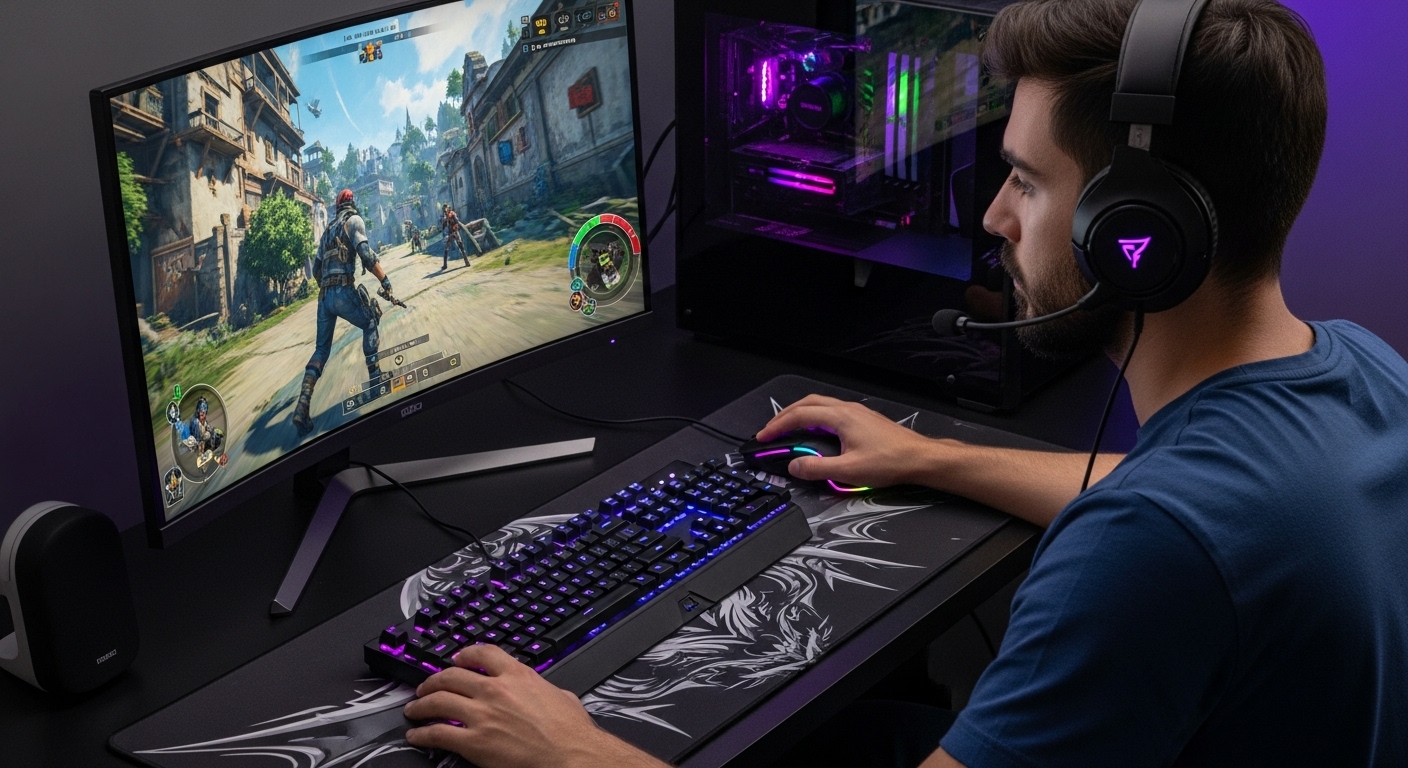
While consoles and mobile devices have captured the attention of many, PC gaming remains a cornerstone of the gaming world. With their customizable hardware, high-performance capabilities, and vast libraries of games, PCs are the preferred platform for many hardcore gamers. The appeal of PC gaming lies in its power, precision, and flexibility, offering unparalleled graphics, frame rates, and modding capabilities.
In addition, PC gaming has played a crucial role in the rise of esports, with games like League of Legends, Dota 2, and Counter-Strike: Global Offensive becoming staples of competitive gaming. The esports industry is now worth billions, with large tournaments held worldwide and sponsorship deals with major brands like Coca-Cola, Intel, and Red Bull.
The Cultural Impact of Gaming: From Escape to Social Connection
Gaming is no longer just about playing games; it’s about creating communities, sharing experiences, and exploring new worlds. The cultural impact of gaming has been profound, influencing everything from pop culture to the way people communicate and interact with each other.
Gaming as Social Connection
Multiplayer games, both online and offline, have become central to modern gaming experiences. The ability to play with friends or strangers has transformed gaming into a social activity, where players can connect and collaborate in virtual environments. Games like World of Warcraft, Fortnite, Apex Legends, and Call of Duty have built massive online communities where players form teams, create clans, and compete in tournaments.
Social platforms like Twitch and YouTube Gaming have also allowed gamers to stream their gameplay, creating new forms of entertainment. Watching others play has become just as engaging as playing the game itself. Streamers have become celebrities in their own right, with millions of followers tuning in to watch their gameplay, interact in real-time, and share in their experiences.
Gaming in Popular Culture
The influence of video games on popular culture cannot be overstated. Iconic characters like Mario, Sonic, and Link have become symbols of the gaming industry, appearing in cartoons, movies, and merchandise. Franchises like Halo, The Legend of Zelda, Final Fantasy, and Grand Theft Auto have transcended the gaming world, becoming part of mainstream entertainment.
Moreover, video games have inspired films, TV shows, and even music. Movies like The Super Mario Bros. Movie, Sonic the Hedgehog, and Detective Pikachu have brought video game characters to the big screen, while video game-inspired TV shows like The Witcher and Castlevania have garnered large audiences on streaming platforms.
Gaming as a Form of Storytelling
One of the most exciting developments in modern gaming is the rise of story-driven games. Titles like The Last of Us, Red Dead Redemption 2, and The Witcher 3 have demonstrated that video games can tell complex, emotionally resonant stories, often rivaling the quality of movies or TV shows. These games offer players the chance to experience narratives in a more interactive way, allowing them to shape the story through their choices and actions.
The blending of cinematic storytelling with interactive gameplay has elevated video games as an art form, with many critics and fans acknowledging the medium’s ability to evoke deep emotions and provoke thought. Video games are now being recognized as a legitimate form of storytelling, with some even being showcased at prestigious events like the BAFTA Awards.
The Future of Gaming: Virtual Reality, AI, and Beyond
The future of gaming is incredibly exciting, with new technologies set to redefine how we play and experience games. Some of the most promising developments in the gaming world include:
Virtual Reality (VR) and Augmented Reality (AR)
Virtual reality and augmented reality have the potential to take gaming to new heights. VR allows players to immerse themselves in entirely new worlds, while AR blends virtual elements with the real world. Games like Beat Saber and Half-Life: Alyx have shown that VR can offer highly immersive experiences, where players feel like they’re part of the action.
As VR and AR technology continues to improve, we can expect more immersive and lifelike gaming experiences. Whether it’s exploring a virtual city, interacting with other players in real-time, or solving puzzles in a mixed-reality environment, these technologies will offer new ways to experience games.
Artificial Intelligence and Procedural Generation
Artificial intelligence (AI) is also playing an increasingly important role in gaming. AI can create more realistic NPCs (non-playable characters), making the gaming world feel more alive and responsive. Additionally, procedural generation—where game worlds are created algorithmically rather than manually—has allowed developers to create vast, unique environments that change with every playthrough. Games like Minecraft and No Man’s Sky have used procedural generation to create infinite possibilities for exploration.
Cloud Gaming
Cloud gaming is another area of innovation that promises to make gaming more accessible. With services like Google Stadia, NVIDIA GeForce Now, and Xbox Cloud Gaming, players can stream games directly to their devices without the need for expensive hardware. This technology allows for instant access to high-quality games, regardless of the device