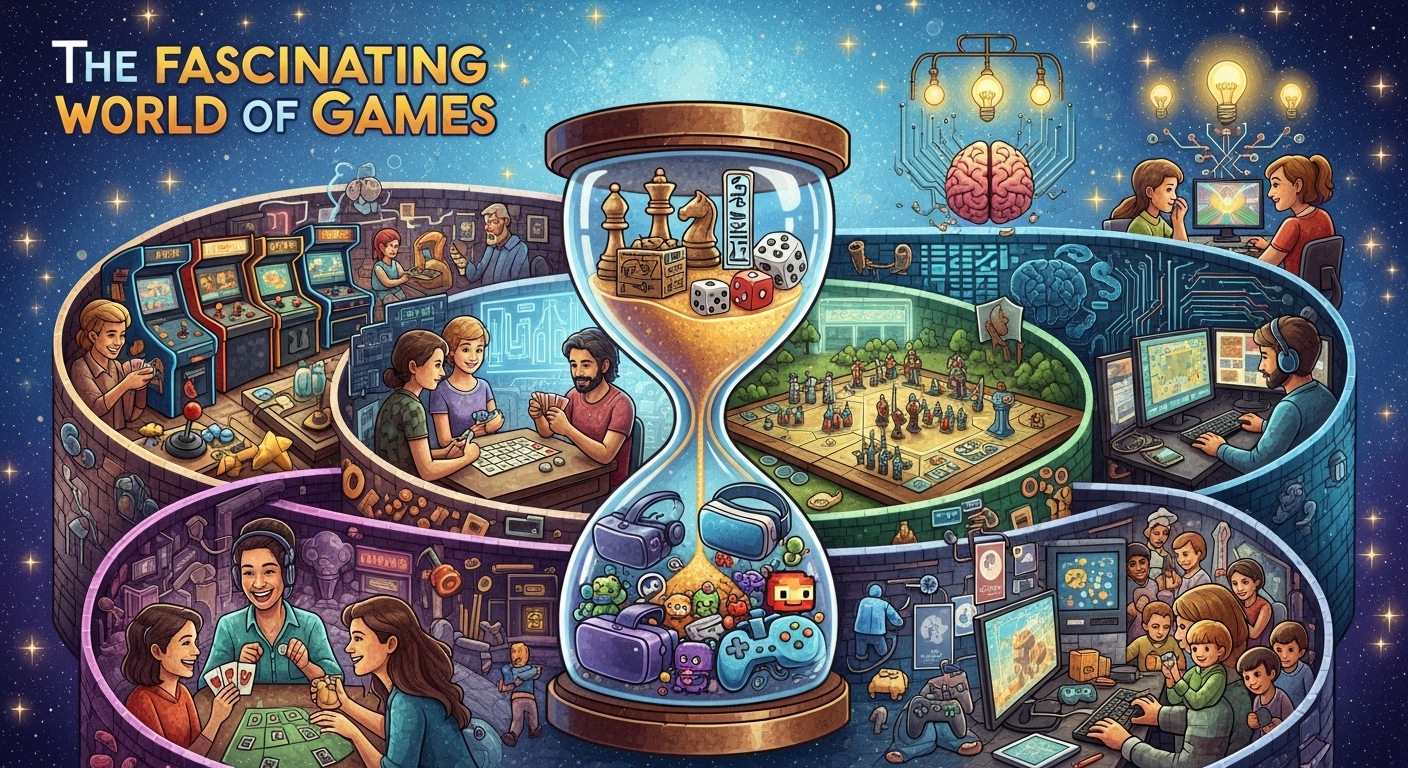
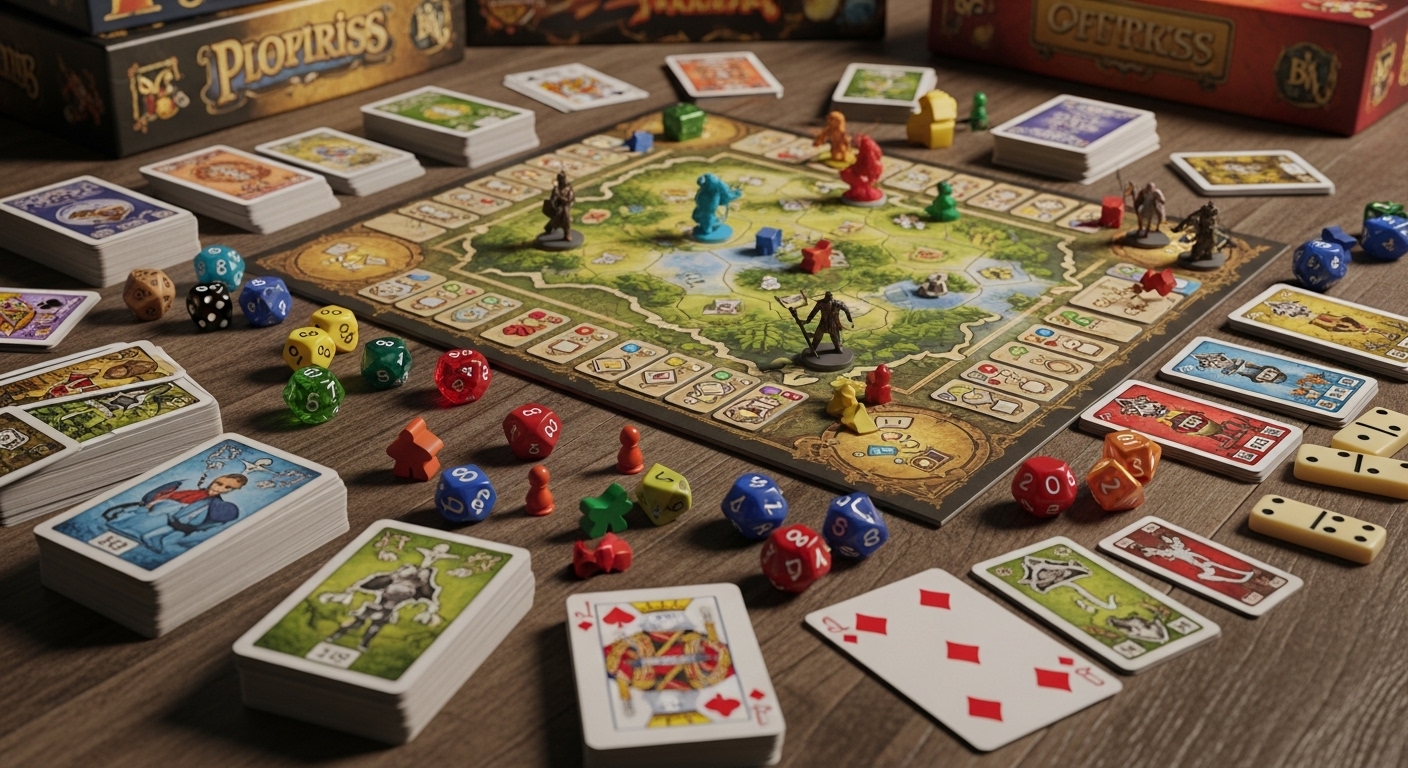
The world of video games is vast and varied, with new titles being released on a regular basis. While there are many games that follow the same basic formula — whether it’s first-person shooters, role-playing games, or sports simulations — there’s a growing trend towards games with unique concepts and ideas. These are the titles that break the mold, offering players a fresh, innovative experience that defies traditional gaming norms. But what exactly makes these games unique, and why do they capture the attention of so many players?
In this blog post, we will explore some of the most unique and innovative games in the industry today. From experimental gameplay mechanics to unconventional storytelling techniques, these games stand out for their creativity, vision, and ability to captivate players in new and unexpected ways.
The Shift Towards Unique Gaming Experiences
As the gaming industry has matured, the demand for novelty and creativity has only increased. While triple-A games with huge budgets and massive production teams continue to dominate the market, independent developers have found their niche in creating games that focus more on art, story, and innovative mechanics. These indie games, with their lower budgets and smaller teams, are often more willing to experiment and take risks, pushing the boundaries of what video games can achieve.
This shift toward innovation has led to the rise of a new genre of gaming, where the emphasis is placed on creating something distinctive and unexpected. Unlike mainstream titles that tend to follow familiar templates, unique games often focus on creating an experience that’s never been seen before. This could be anything from a brand-new gameplay mechanic to a narrative structure that completely redefines how a story is told in a game.
But what makes a game truly unique? It’s not just about new mechanics or unusual visuals — it’s about how these elements come together to create a meaningful experience that stands apart from anything players have seen before. Let’s take a closer look at some games that have successfully achieved this, breaking through traditional gaming boundaries and creating something truly special.
Journey: A Masterpiece in Simplicity
One of the most iconic examples of a unique game is Journey (2012), developed by Thatgamecompany. At first glance, Journey appears to be a simple exploration game set in a vast desert. Players control a robed figure who is on a pilgrimage to reach the summit of a distant mountain. What makes Journey stand out, however, is its minimalist design and emotional depth.
There are no traditional enemies or combat mechanics in Journey. Instead, the gameplay focuses on exploration and cooperation, as players can encounter other anonymous players online during their travels. The game has no dialogue, and the story is told entirely through visuals, music, and environmental cues. This lack of words makes the emotional impact of the game all the more powerful, as players can experience the narrative in their own personal way.
The beauty of Journey lies in its ability to convey profound emotional themes like companionship, loss, and achievement without ever uttering a single word. It’s a testament to the idea that games don’t always need to be complex or have traditional mechanics to be meaningful. Sometimes, simplicity can be the key to creating a truly unique experience.
Papers, Please: The Ethics of Bureaucracy
Another game that stands out for its unique concept is Papers, Please (2013), developed by Lucas Pope. In Papers, Please, you play as a border checkpoint inspector in a fictional, dystopian country called Arstotzka. Your job is to inspect documents and decide whether or not individuals should be allowed to cross the border. The catch? You must make these decisions quickly and accurately, all while navigating a series of moral dilemmas and personal struggles.
What makes Papers, Please so unique is the way it blends mundane tasks with intense moral conflict. The game’s central mechanic — checking documents and processing people — is repetitive and seemingly simple, but the moral consequences of your actions quickly add layers of complexity. Players are forced to decide who to let through based on personal biases, political pressure, or even compassion. As the game progresses, your decisions can have dramatic impacts on the story and the people you encounter.
Papers, Please is a game that forces players to confront difficult ethical choices in a way that no other game does. It challenges the player to consider the human cost of bureaucracy and the consequences of following orders without question. The tension between doing your job and maintaining your moral integrity creates a gripping narrative that sets Papers, Please apart from other games.
The Stanley Parable: Choice and Free Will
If there’s one game that explores the concept of choice in video games, it’s The Stanley Parable (2013). Developed by Davey Wreden and William Pugh, The Stanley Parable is a narrative-driven game that challenges players’ perceptions of choice and freedom in video games.
In The Stanley Parable, you play as Stanley, an office worker whose entire world is one big, empty office building. The game begins with a narrator guiding you through the environment, offering you choices at various points. However, you soon realize that the narrator’s voice is not as trustworthy as it seems. You can choose to ignore the narrator’s guidance and explore the world on your own terms, which leads to a variety of unexpected outcomes.
What makes The Stanley Parable unique is its meta-commentary on the nature of video game design. The game constantly questions the concept of player choice and free will, making players reflect on the limitations and expectations placed on them by traditional video game mechanics. It’s a game that plays with your expectations, offering a variety of endings based on how you choose to engage with the narrative.
The Stanley Parable is not just a game about choices — it’s a game about the illusion of choice, and how video games, as a medium, often limit the freedom of players. It’s a thought-provoking experience that turns traditional game mechanics on their head.
Katamari Damacy: The Absurdity of Rolling Things
One of the most eccentric games to ever be released is Katamari Damacy (2004), developed by Namco. In Katamari Damacy, you control a small character called the Prince, who must roll a sticky ball, known as a Katamari, through various environments, picking up everything in its path — from paperclips to entire buildings.
The concept of Katamari Damacy is simple, yet utterly absurd. The joy of the game lies in watching the Katamari grow larger as it rolls over anything it touches. The more items you collect, the bigger the Katamari becomes, allowing you to pick up even larger objects, like people, cars, and eventually entire islands. The game’s quirky premise is paired with a playful, energetic soundtrack and a visual style that feels both childlike and surreal.
What makes Katamari Damacy unique is how it combines the simple act of rolling things up with a whimsical, almost nonsensical story. The game’s lightheartedness and oddball charm make it a memorable experience, showing that even the most absurd concepts can be turned into a fun and engaging game.
The Future of Unique Games
As technology continues to evolve, the possibilities for creating unique games are virtually limitless. With advancements in virtual reality (VR), augmented reality (AR), and artificial intelligence (AI), game developers now have more tools than ever to push the boundaries of what games can achieve. In the future, we can expect to see more games that blend genres, experiment with non-traditional mechanics, and offer players new ways to engage with stories and worlds.
What’s exciting about the future of gaming is that the possibilities are only limited by the creativity of developers. As more and more players seek out unique, original experiences, it’s clear that the demand for games that break away from traditional formulas will only grow. Whether it’s a new gameplay mechanic, a radical narrative structure, or a bold artistic style, the future of gaming looks brighter than ever for those who are willing to embrace innovation.
Conclusion
Games with unique concepts are reshaping the landscape of the gaming industry. From the emotional depth of Journey to the moral complexity of Papers, Please, these titles prove that video games can be more than just entertainment. They can be a form of art, a vehicle for storytelling, and a way to explore new ideas. As the industry continues to evolve, we can expect more games that challenge our perceptions of what video games can be and offer experiences that are unlike anything we’ve seen before.