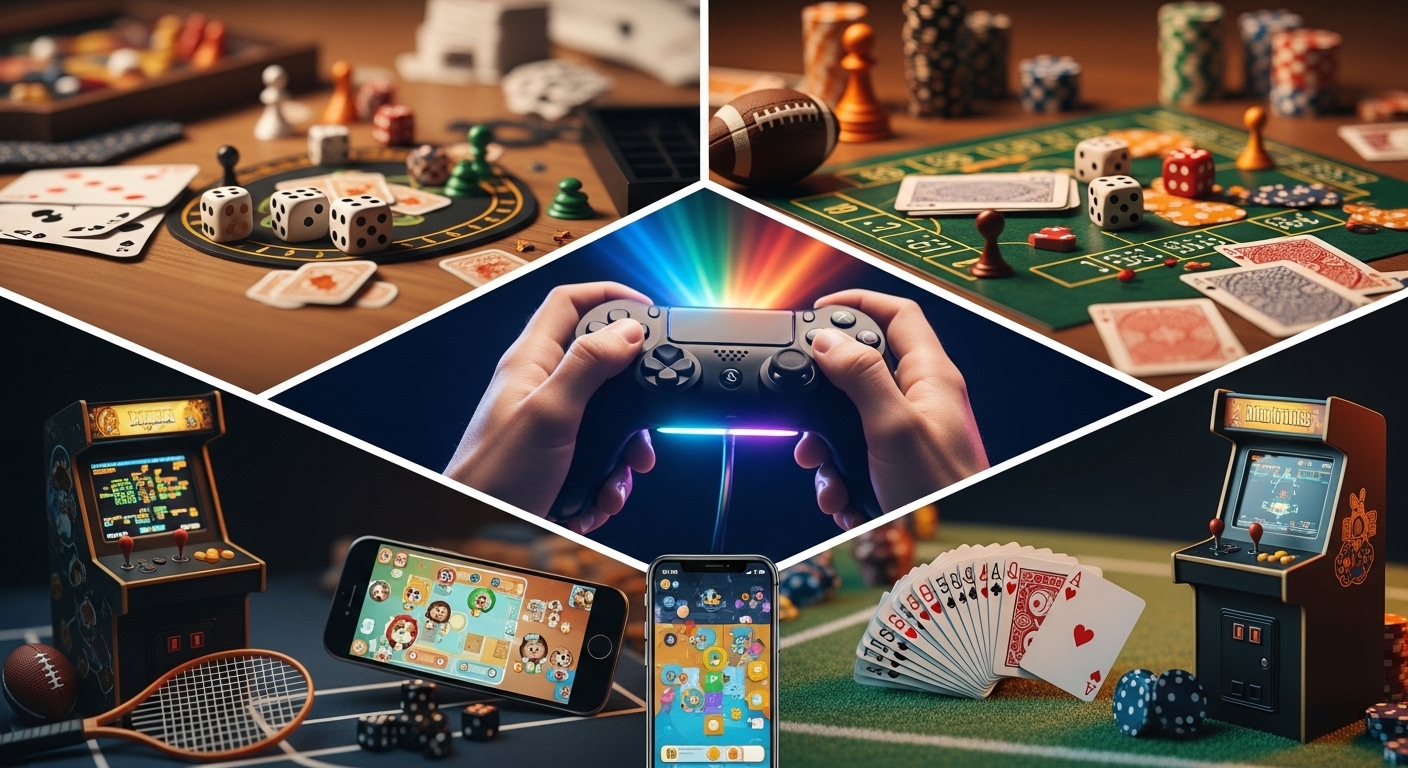
Gaming has evolved from a niche hobby to a global phenomenon that has reshaped entertainment, culture, and even social dynamics. From pixelated adventures to photorealistic open-world simulations, the gaming industry has come a long way, offering experiences that captivate players of all ages. In this blog post, we’ll delve into the world of gaming, exploring its impact, the different types of games, and why it’s more than just a pastime—it’s a dynamic form of art and storytelling.
The Evolution of Gaming: From Pixels to Realism
When gaming first emerged in the late 20th century, the visuals were simple—think basic 2D graphics, limited sound effects, and a focus on gameplay mechanics. Classic arcade games like Pong and Space Invaders were groundbreaking at the time, introducing a new form of entertainment. Fast forward to today, and gaming has transformed into an immersive experience. Advanced graphics engines, like Unreal and Unity, power games with breathtaking realism, while stories are told in ways that rival blockbuster films. Titles such as The Last of Us Part II and Red Dead Redemption 2 showcase not just eye-popping visuals but emotionally charged narratives that draw players deep into their worlds.
Gaming as an Art Form
At its core, gaming is an interactive medium that combines storytelling, design, music, and technology to create unique experiences. Each game is crafted by a team of talented individuals who pour their creativity and technical expertise into producing something truly special. Whether it’s the haunting soundtrack of Silent Hill 2, the beautiful world-building in The Witcher 3, or the innovative game mechanics of Portal, games are becoming increasingly recognized as an art form. The way developers design environments, characters, and even gameplay mechanics is a reflection of artistic vision, with the added layer of player agency. The ability to make choices that influence the narrative is something no other medium can replicate in the same way.
The Different Types of Games: Finding Your Perfect Fit
One of the greatest things about gaming is the sheer variety of genres available. Whether you’re into high-stakes action, complex strategy, or immersive storytelling, there’s a game out there for you. Let’s break down some of the most popular genres:
- Action/Adventure: These games combine action-packed gameplay with rich narratives. Examples include Uncharted, Tomb Raider, and Assassin’s Creed. Players embark on thrilling quests, solving puzzles and engaging in intense combat.
- Role-Playing Games (RPGs): These games allow players to take on the role of a character in a fictional world, making choices that affect the story. Final Fantasy, Skyrim, and Cyberpunk 2077 are all iconic RPGs known for their depth and immersive worlds.
- First-Person Shooters (FPS): Games like Call of Duty and Overwatch place players in fast-paced, combat-heavy environments. FPS games focus on quick reflexes and strategic thinking, offering multiplayer modes that keep players coming back for more.
- Simulation: For those who enjoy managing, building, or exploring virtual worlds, simulation games like The Sims and Cities: Skylines provide endless hours of entertainment. These games allow players to craft their own experiences and worlds.
- Strategy: In these games, every move counts. Titles like Civilization and StarCraft challenge players to think critically and plan ahead to achieve victory, whether through military conquest or resource management.
Each genre brings something different to the table, so finding the right game to match your preferences is key to getting the most out of your gaming experience.
The Social Side of Gaming: Connecting People Worldwide
While gaming is often seen as an individual activity, it’s also a powerful social platform. Online multiplayer games like Fortnite, League of Legends, and Minecraft allow players to connect with others around the world. These games have built communities where players can share tips, collaborate on missions, and build friendships. Esports has also taken off, turning competitive gaming into a spectator sport with professional leagues and tournaments that draw millions of viewers.
Moreover, games like Animal Crossing: New Horizons offer a more laid-back social experience, where players can visit each other’s virtual worlds and trade items in a peaceful, relaxing environment. Gaming has become an integral part of social interactions, providing a common ground for people to connect regardless of geography.
Gaming and Mental Health: A Double-Edged Sword
While gaming offers countless benefits—like stress relief, improved cognitive skills, and the joy of discovery—it’s not without its challenges. The key to maintaining a healthy relationship with gaming is moderation. Excessive gaming can lead to issues like addiction, disrupted sleep patterns, and neglect of real-world responsibilities.
However, there are increasing efforts to harness gaming for positive outcomes. Games designed to promote mental wellness, like Celeste and Hellblade: Senua’s Sacrifice, tackle themes such as anxiety and depression, providing players with powerful narratives that raise awareness around mental health. Additionally, studies have shown that certain games can help improve problem-solving skills, teamwork, and even emotional resilience.
The Future of Gaming: What’s Next?
As technology continues to advance, the future of gaming looks brighter than ever. With innovations like virtual reality (VR) and augmented reality (AR), players are now able to immerse themselves in digital worlds like never before. The potential for deeper, more interactive experiences is immense. In addition, the rise of cloud gaming is making it easier for people to access high-quality games without the need for expensive hardware.
The continued growth of indie games is also exciting, as smaller development teams experiment with unique gameplay mechanics and storytelling approaches. It’s likely that we’ll see even more groundbreaking titles in the coming years, pushing the boundaries of what games can achieve.
Conclusion: Gaming Is Here to Stay
Gaming isn’t just a passing trend—it’s a powerful medium that continues to evolve and shape our world. Whether you’re playing for fun, socializing with friends, or exploring new digital landscapes, gaming offers something for everyone. It’s an ever-expanding universe that invites players to lose themselves in its worlds and discover new stories, challenges, and friendships along the way. So, next time you pick up your controller or boot up your PC, remember: you’re not just playing a game—you’re part of a global cultural movement that celebrates creativity, connection, and the joy of exploration.